

How to Modernize Your Supply Chain Infrastructure
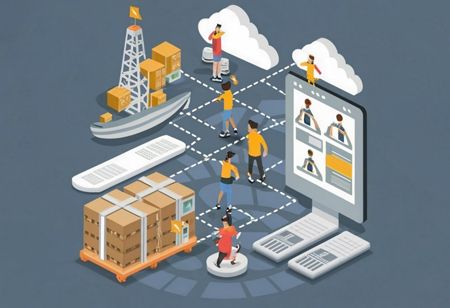 In today's dynamic business environment, where global markets and consumer demand are constantly evolving, efficient supply chain Infrastructure and supply chain management are essential for success. A sustainable supply chain is a strategic approach that covers everything from production and procurement to storage and transportation. It connects transportation networks, suppliers, manufacturers, distributors, and customers while promoting a seamless flow of goods with supply chain automation. It serves as the backbone of the business, especially for product-based businesses, helping to optimize efficiency, reduce costs, and improve customer satisfaction. However, companies face several challenges while navigating the complexities of modern supply chains, such as inventory management and transportation optimization. Let’s look into strategies for modernizing the supply chain infrastructure.
Instrumenting a Robust Supply Chain Technology Platform
According to reports, only 21 percent of supply chain leaders believe they have good visibility into the supply chain from end to end. And with little visibility comes little control of logistics. Companies with low supply chain visibility also often do not have access to and consideration of all available carriers. This will segregate the enterprise into more than 90 percent of the available capacity and cargo worldwide. Modern supply chains need the right tools to keep up with today's consumer demand and logistics infrastructure.
Technology is an important enabler of supply chain modernization. A robust supply chain technology platform not only provides a transportation management system but also provides a reliable and reliable supply chain management system. Modern platforms provide end-to-end visibility, automate processes, and provide data-driven insights. All of these can help optimize operations, reduce costs, and increase customer satisfaction. Real-time tracking allows you to monitor your inventory and shipments well, in real-time. In addition, it can automatically alert you to problems and delays. Predictive analytics can help you predict demand and optimize inventory levels; while integration capabilities can help you connect seamlessly with suppliers and customers.
Kartik Iyer, Vice President—Supply Chain, Customer Fulfilment, Logistics, & Warehousing says, “Digital tools have long been integral to supply chain strategy. The challenge is to discern the most appropriate digital tool that aligns with an organization's unique operational needs. As a supply chain leader, it is imperative to dedicate substantial time and effort to this selection process. Digital tools should not merely serve as advanced versions of existing systems, such as sophisticated spreadsheets, but rather as instruments capable of conducting predictive analyses beyond the scope of human computation.”
The evaluation of digital tools involves rigorous analytics and algorithm testing to ensure their effectiveness and compatibility with the desired operational model. This process often includes a Proof of Concept (POC) to validate the tool's user interfaces and algorithms against the company's operational requirements.
Establish Communication and Procedures for Disruptions
Iyer says, “Supply chain leaders are increasingly recognizing the importance of diversifying their supplier base. The dependence on local suppliers has become critical to mitigate the risks associated with long-distance shipments, especially via sea transportation. Recent disruptions, including the blockade of the Red Sea, underscore the necessity of developing a robust local supplier network, engaging in long-term contracts, and, when necessary, accepting higher costs to ensure supply chain continuity.”
“Moreover, it is essential to establish alternative supplier bases to avoid over-reliance on a limited number of sources. Cost management remains a priority, as the end consumer is unlikely to bear increased prices. Supply chain leaders must, therefore, identify cost-saving measures in other areas to offset potential price hikes,” adds Iyer.
Supply chain disruptions may be inevitable, but with proper planning, companies can reduce risk. For example, many manufacturers use multiple vendors or delivery providers to enable options in the event of an unexpected shutdown. Similarly, manufacturers may have multiple facilities in different regions that can increase production to compensate for shutdowns in 1 region. However, these plans can be implemented quickly only with effective communication and a pre-planned strategy. In the example of a supplier shutdown, the replacement vendor should be contacted immediately before the competition now has time to buy a missing supply. Data that is visible across the organization, via dashboards and open communication lines, is critical to creating and executing contingency plans in the event of supply chain failures.
Iyer says, “Once a digital tool is selected, assessing its Return on Investment (ROI) is crucial. The tool must justify its cost through tangible benefits. This could manifest in various forms, including reduced manpower, lower inventory levels, decreased transportation costs, or enhanced customer satisfaction. The implementation phase is equally vital, demanding adherence to the planned timeline and meticulous monitoring. Comprehensive training is another important key to ensure that the team can leverage the digital tool effectively in daily operations. Ultimately, it is important to accept that the adoption of digital tools will not revolutionize a company's operations overnight. They are components of a broader system, and their success depends on the people managing them. Organizations must consider this reality when integrating digital tools into their supply chain strategy.”
Sustainable Supply Chains: Reducing Environmental Footprints
Sustainability has gone beyond the buzzword state to become a fundamental consideration in supply chain management. Modern strategies prioritize reducing environmental impact, strengthening corporate social responsibility, and complying with regulatory requirements. This includes implementing green logistics practices, reducing waste, and selecting environmentally friendly procurement options. Sustainable supply chains resonate not only with environmentally conscious consumers but also with stakeholders who value ethical and sustainable business practices.
Culture of Continuous Improvement
Supply chain improvement is a continuous process because innovation, global supply chain changes, and market trends change require continuous analysis. After all, anything that works in today's market may not even work in tomorrow's market. The key asset for continuously improving the supply chain is the workers in the field, which is one of the best resources a company needs to discover inefficiencies. A business with an open line of labor-management communication can identify and address weaknesses quickly before creating major problems. This can also empower employees to take ownership of their part in the workflow and lead to increased productivity and high-quality products. By encouraging a culture of continuous improvement, companies can build innovation and new strategies from scratch.