

A Time Of Evolution In Travel?
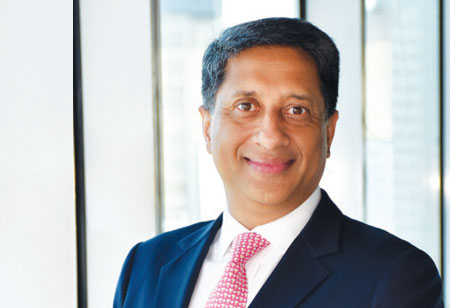
Vinay Malhotra, Regional Group COO (South Asia, Middle East & North Africa and Americas), VFS Global, 0
After months of being in lockdown with vacation plans on hold the gradual resumption of international travel has easily become one of the most anticipated events for people across the globe. Several studies have shown that while the travel sector has been impacted severely, resumption of travel continues to be highly anticipated. Although modest right now, travel is anticipated to get only more promising going forward.
Amidst all the enthusiasm, the industry is reinventing itself in anticipation of how behaviour of travellers will evolve post pandemic. There could be changes in choice of destinations, increased caution around air travel, and an extremely vigilant eye on health considerations and more, all in the aftermath of COVID-19.
To stay a step ahead in addressing these trends, the industry needs to do its might to enable a safe, smart and digital approach to travel planning, and health and safety procedures.
Faced with a new reality, here’s are the possible new ways travel could change in the upcoming era:
Exclusive experiences
Early into the COVID-induced lockdown, some felt the era of affordable travel was over, in context to the new requirements of physical distancing, and empty middle seats in airplanes. Over the last couple of decades, the travel industry had seen a shift from being an exclusive experience to a more accessible and affordable one with increase in number of budget flights, hostels, home stays, rental accommodations, and some nifty online travel planning. International vacations no longer were an elusive concept to those on a budget.
However, this largely millennial trend of budget travel is now under scrutiny as the affordability of budget travel also brings with it an increase in human touch points via crowded aircrafts, public hostels, group travel packages, and local public transport. Until there is a fool proof way of ensuring that these public spaces are sanitised and are safe travelling might revert to being a bit of an exclusive experience for some time.
Personalised tech with online payments and digital solutions
An essential part of travel planning, i.e. the purchase of services or tickets/passes for everything from specific in country tourist attractions to flights, could see a sea change, as people start moving most of their transactions and purchases online. Personalised services that allow consumers to plan their travel with increased flexibility and digital solutions that let them do so remotely will be immensely popular.
An added layer will be the need for remote planning of travel, with as few human touch points as possible. In terms of visa applications, this change is already coming into play with ahead-of-the-curve services and options like eVisas and ‘doorstep’ services for the visa application submission and biometric enrolment process, as well as pre-departure COVID-19 RT-PCR testing, among other services, to make travel planning a seamless and hassle free experience for consumers.
Longer vacations
With most people working from home for the last six months and more, some popular tourist locations have come up with concepts such as ‘Digital Nomad Visas’. The concept promotes the idea of remote working while being at picturesque locations, to help people take a break from the mundane while they’re still on the company clock.
With the intricacy of planning that will be involved in ensuring a safe vacation post-COVID, people will increasingly see merit in spending a longer time away. Couple that with the possibility of working remotely while on a refreshing beach or amidst scenic mountains and you have yourself a possibly indefinite holiday.
Seek out the open spaces
Since confined spaces offer a higher chance of contracting infections, travellers are now expected to explore locations beyond the usual urban tourist attractions. Which means museums monuments and art galleries will now be given a miss in favour of countryside explorations, vineyards, and trekking trails. This also means that we might see a big shift to second city travelling, as travellers opt to avoid larger and thereby more crowded cities to visit more sparsely populated towns and country sides.
Pandemic insurance
Most travellers who had to cancel flight and hotel bookings post the lockdown earlier this year were in for a rude shock that their travel insurance did not cover a pandemic. Reading the fine print of financial statements is an often ignored practice and most paid a heavy price for that this holiday season even if this was something none of us could have anticipated.
However, this has created a higher awareness in both the travel and insurance communities, as well as multiplied the caution with which travellers will now approach their travel insurance. In addition, travel insurance will now also be a more customised affair to accommodate needs specific to individuals, as opposed to the one-size-fits-all concept that it once was.
Even with all these uncertainties around us, there is no doubt about the fact that travel will pick up pace in the coming months. All that will change is the way governments, travel companies and travellers plan for safety and public health - the new cornerstones that the travel sector rests on.
Longer vacations
With most people working from home for the last six months and more, some popular tourist locations have come up with concepts such as ‘Digital Nomad Visas’. The concept promotes the idea of remote working while being at picturesque locations, to help people take a break from the mundane while they’re still on the company clock.
An essential part of travel planning, i.e. the purchase of services or tickets/passes for everything from specific in country tourist attractions to flights, could see a sea change, as people start moving most of their transactions and purchases online
With the intricacy of planning that will be involved in ensuring a safe vacation post-COVID, people will increasingly see merit in spending a longer time away. Couple that with the possibility of working remotely while on a refreshing beach or amidst scenic mountains and you have yourself a possibly indefinite holiday.
Seek out the open spaces
Since confined spaces offer a higher chance of contracting infections, travellers are now expected to explore locations beyond the usual urban tourist attractions. Which means museums monuments and art galleries will now be given a miss in favour of countryside explorations, vineyards, and trekking trails. This also means that we might see a big shift to second city travelling, as travellers opt to avoid larger and thereby more crowded cities to visit more sparsely populated towns and country sides.
Pandemic insurance
Most travellers who had to cancel flight and hotel bookings post the lockdown earlier this year were in for a rude shock that their travel insurance did not cover a pandemic. Reading the fine print of financial statements is an often ignored practice and most paid a heavy price for that this holiday season even if this was something none of us could have anticipated.
However, this has created a higher awareness in both the travel and insurance communities, as well as multiplied the caution with which travellers will now approach their travel insurance. In addition, travel insurance will now also be a more customised affair to accommodate needs specific to individuals, as opposed to the one-size-fits-all concept that it once was.
Even with all these uncertainties around us, there is no doubt about the fact that travel will pick up pace in the coming months. All that will change is the way governments, travel companies and travellers plan for safety and public health - the new cornerstones that the travel sector rests on.