

Why Retaining Talent Matters Now, More Than Ever
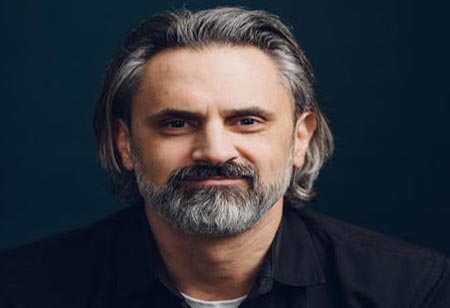
Dan Tesnjak, VP - EMEA and APAC, Degreed, 0
This is a period of significant disruption. Organizations are in survival mode and, for many, that has meant furloughing staff, making layoffs, and freezing hiring. This means that retention may not be a top priority given current challenges. But fail to retain your best talent now and your business’ growth prospects will be hindered for years to come.
Before today, 54 percent of Indian workers were seriously considering leaving their jobs. This may well have increased because of recent events, with employees shaken by the changes to their work routine alongside economic and job insecurity.
The Cost of Low Retention
Replacing talent is expensive. There’s the cost of hiring, but also onboarding and lost productivity while an employee gets familiar with the company. Due to the current economic outlook, finances must be optimized and that means retaining your best talent. 45 percent of employers reported turnover costs of $10,000 per lost employee, 20 percent have costs closer to $30,000. This money could be better spent on retaining employees, redeploying them to new roles, and upskilling them to meet changing business demands.
Improving Your Retention
So, how can you improve your retention today?
People-Centered
First, you must prioritize your people. Understand their motivations, their concerns, and ambitions. Job security will be a significant driving factor at the moment. Simultaneously, people are watching employers closely, assessing their response to current challenges. The organizations that treat their people well will reap the rewards in the long-term. Now is the best time to have your employees as advocates.
Transparency will pay off. There is a direct correlation between employers who communicate their business goals and updates regularly with their people and the workforce’s overall satisfaction. It keeps them invested and integral to your organization’s bigger plan.
Other Methods to Retain Talent
Consider ways to retain your talent now, even if their current role isn’t required. Deploy people from low-demand roles to other business areas that are experiencing high demand, like moving from a front-of-house retail role to a contact center. Of course, this will require a certain amount of upskilling to move into new roles - but it will keep your talent fresh, engaged, and most importantly, retained.
It’s a tactic used by Hay Group, with ABDUL Uddin, business lead, infrastructure, and manufacturing explaining, ‘It’s not enough to simply fill roles for today, it’s about attracting, retaining and engaging the right talent who will tackle workforce challenges for the next five to ten years.’
Above all this requires effective overall skills visibility and for people to find roles and opportunities linked to their skills. In fact, the biggest barrier to effective redeployment is the visibility of opportunities and matching people’s skills with relevant roles.
Get this right and your workforce will organically become more agile and responsive to market changes. Your people will be readily mobilized into new roles, upskilled ready to meet evolving requirements, and this will make it easier for your workforce to pivot to sudden changes and market demands.
Retain Knowledge from Alumni
Another consideration is what happens to your employees when they decide to move on. Alumni networks can retain their skills and knowledge in some capacity. People can return for short-term assignments or to mentor others. For some sectors, like engineering and IT, this is invaluable as engineers may retire with decades of knowledge that are then lost to the organization. Sometimes, there may be only one person who fully understands the unique facets of a data center, or how to keep a piece of machinery working. You want to keep hold of their knowledge - and to upskill others in this knowledge so there isn’t a ‘brain bottleneck-k’.
Constantly Provide Growth Opportunities
Constantly grow and challenge your workers so they have no reason to leave your organization. A role is a two-way street in that it should benefit both employer and employee. If you set clear goals and provide opportunities for people to advance their career journey, they will be more motivated to remain for longer.
This goes beyond traditional promotion opportunities. It might be a learning program in an area they’ve expressed an interest in or on-the-job learning provided through stretch assignments or a lateral job move into a department aligned with their long-term career goals. Indeed, putting people into the wrong roles (where their potential isn’t fulfilled and they feel their skills aren’t appreciated) is one of the main reasons an employee will leave.
Support Your People Now
Employers who take the time to listen, and who take specific actions that support employees for better or worse, will build greater agility and resilience in the long-term. Remember the value and potential of your people - because they will remember this long into the future.
Although many are still focusing on day-to-day emergency measures to ensure the future of the business, always keep an eye on the long-term. Retain talent today through a combination of upskilling, career mobility and knowledge-sharing. It’ll benefit your workforce today and build a better future for your organization and people.
Above all this requires effective overall skills visibility and for people to find roles and opportunities linked to their skills. In fact, the biggest barrier to effective redeployment is the visibility of opportunities and matching people’s skills with relevant roles.
Get this right and your workforce will organically become more agile and responsive to market changes. Your people will be readily mobilized into new roles, upskilled ready to meet evolving requirements, and this will make it easier for your workforce to pivot to sudden changes and market demands.
Consider ways to retain your talent now, even if their current role isn’t required
Retain Knowledge from Alumni
Another consideration is what happens to your employees when they decide to move on. Alumni networks can retain their skills and knowledge in some capacity. People can return for short-term assignments or to mentor others. For some sectors, like engineering and IT, this is invaluable as engineers may retire with decades of knowledge that are then lost to the organization. Sometimes, there may be only one person who fully understands the unique facets of a data center, or how to keep a piece of machinery working. You want to keep hold of their knowledge - and to upskill others in this knowledge so there isn’t a ‘brain bottleneck-k’.
Constantly Provide Growth Opportunities
Constantly grow and challenge your workers so they have no reason to leave your organization. A role is a two-way street in that it should benefit both employer and employee. If you set clear goals and provide opportunities for people to advance their career journey, they will be more motivated to remain for longer.
This goes beyond traditional promotion opportunities. It might be a learning program in an area they’ve expressed an interest in or on-the-job learning provided through stretch assignments or a lateral job move into a department aligned with their long-term career goals. Indeed, putting people into the wrong roles (where their potential isn’t fulfilled and they feel their skills aren’t appreciated) is one of the main reasons an employee will leave.
Support Your People Now
Employers who take the time to listen, and who take specific actions that support employees for better or worse, will build greater agility and resilience in the long-term. Remember the value and potential of your people - because they will remember this long into the future.
Although many are still focusing on day-to-day emergency measures to ensure the future of the business, always keep an eye on the long-term. Retain talent today through a combination of upskilling, career mobility and knowledge-sharing. It’ll benefit your workforce today and build a better future for your organization and people.