


Dr Dayananda M : A Leader With Nearly 50 Years Of Cumulative Military And Civilian Healthcare Experience
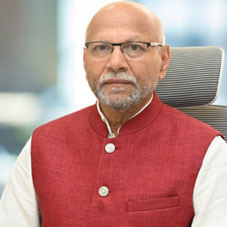
Dr Dayananda M
Medical Director
Piloting this transformation in Karnataka is Dr Dayananda, Medical Director of the prestigious KLES Dr Prabhakar Kore Hospital & Medical Research Centre (KLE Hospital), one of the country’s top quaternary care centers with 25 years of experience. Reinforced by decades of leadership in both the Armed Forces and top-tier civilian healthcare systems, Dr Dayananda steers operations at the hospital using integrated models of governance, the best clinical models, and an intact safety culture.
An MBBS from Mysore University, Dr Dayananda started his career with his appointment in the Indian Armed Forces in 1977. During a 31-year stint in the military, he worked in various clinical, instructional and administrative assignments, serving once with the United Nations Peacekeeping Force in West Africa. After his Master's in Hospital Administration and commanding a few military hospitals, Dr Dayananda commenced his civilian life in 2008.
He has since then headed several major institutions, including Kasturba Medical College Hospital and GSS University Hospital. Today, with nearly 50 years of professional experience, Dr Dayananda is dedicated to democratizing world-class healthcare, systematic hospital management, patient safety, and healthcare innovations. Below is an excerpt from CEO Insights' exclusive interview with Dr Dayananda.
After 50 years of professional journey, what motivates and drives you on a daily basis?
Throughout my diverse career, encrusting roles in the armed forces, level-three hospitals, and academic institutions (including 16 years as a teacher and examiner for various universities), I have accumulated extensive experience in healthcare management and education.
This vast horizon of experiences motivates me to contribute meaningfully every day by ensuring hospitals operate with professionalism and structured
administration. In India, the critical need for qualified hospital administrators is often under estimated with the misconception that anyone can manage a hospital.
I firmly believe that having trained professionals in administrative roles greatly enhances operational efficiency and prioritizes patient safety and compliance with protocols. In addition to my administrative duties, I am committed to mentoring students and staff, fostering the development of future leaders in healthcare administration.
How is IT influencing healthcare function, and what are the newest developments in diagnosis and treatment?
Over the past 20 years, I have helped integrate medical technology and health information systems across institutions, including the Armed Forces Medical College. Our hospital recently became Karnataka’s first fully paperless facility. We are also partnering with a technological university to develop AI-driven tools to advance healthcare delivery.
In the healthcare sector, particularly hospitals, technology adoption has traditionally lagged behind other industries. This is largely due to strict regulatory requirements and legal considerations, which contribute to a slower pace of implementation despite the availability of advanced devices and decision support systems.
Our approach has been to demonstrate the clear benefits of technology to clinical staff rather than imposing it on them. Initial resistance is common, but once the advantages, such as seamless access to patient records across the hospital via cloud systems, are understood, acceptance and enthusiasm increase significantly. While challenges remain, we have made considerable progress, and technology adoption within our institution is steadily improving.
Could you describe your leadership style and the work environment you've established within your organization?
My leadership style is largely situational and adaptive, shaped by the dynamic nature of hospital management. While I encourage team input and collaborative decision-making, there are moments when swift, decisive action is necessary, especially in critical situations.
With over four decades in healthcare and 25 years in management, I’ve learned that no single leadership model fits all scenarios. Each day presents new challenges, requiring flexibility, clarity of purpose, and sensitivity to team dynamics. Ultimately, my focus remains on achieving organizational goals while maintaining a respectful and cohesive work environment.
I firmly believe that having trained professionals in administrative roles greatly enhances operational efficiency and prioritizes patient safety and compliance with protocols. In addition to my administrative duties, I am committed to mentoring students and staff, fostering the development of future leaders in healthcare administration.
Our focus is on enhancing patient safety and reducing medical errors by integrating advanced technologies
How is IT influencing healthcare function, and what are the newest developments in diagnosis and treatment?
Over the past 20 years, I have helped integrate medical technology and health information systems across institutions, including the Armed Forces Medical College. Our hospital recently became Karnataka’s first fully paperless facility. We are also partnering with a technological university to develop AI-driven tools to advance healthcare delivery.
In the healthcare sector, particularly hospitals, technology adoption has traditionally lagged behind other industries. This is largely due to strict regulatory requirements and legal considerations, which contribute to a slower pace of implementation despite the availability of advanced devices and decision support systems.
Our approach has been to demonstrate the clear benefits of technology to clinical staff rather than imposing it on them. Initial resistance is common, but once the advantages, such as seamless access to patient records across the hospital via cloud systems, are understood, acceptance and enthusiasm increase significantly. While challenges remain, we have made considerable progress, and technology adoption within our institution is steadily improving.
Could you describe your leadership style and the work environment you've established within your organization?
My leadership style is largely situational and adaptive, shaped by the dynamic nature of hospital management. While I encourage team input and collaborative decision-making, there are moments when swift, decisive action is necessary, especially in critical situations.
With over four decades in healthcare and 25 years in management, I’ve learned that no single leadership model fits all scenarios. Each day presents new challenges, requiring flexibility, clarity of purpose, and sensitivity to team dynamics. Ultimately, my focus remains on achieving organizational goals while maintaining a respectful and cohesive work environment.
What is your envisioned roadmap for the organization over the next five years?
Healthcare is poised to become a cornerstone of India’s growth narrative, serving not only the vast domestic population but also increasingly catering to global healthcare demands. This optimism is rooted in two of India's greatest strengths: a demographic dividend of highly skilled professionals and a rapidly advancing technological ecosystem.
To realize this vision, however, the ground work must be laid today with a strategic focus on quality, innovation, and intelligent technology. The introduction and widespread adoption of NABH standards mark a pivotal shift in how healthcare institutions perceive quality, no longer as a compliance burden, but as a powerful tool for introspection, system enhancement, and sustained excellence.
Technology, especially artificial intelligence, is set to redefine the healthcare experience stream- lining operations, enhan - cing diagnostics, improving accessibility, and elevating patient satisfaction. India is already making rapid progress on both fronts: quality frameworks and technological integration.
These developments are not just incremental, they are foundational. Together, they signal a larger transformation underway, positioning India to take on a leadership role in the future of global healthcare.
What piece of advice would you like to offer to the aspiring healthcare adminis -trators?
Healthcare administration is more complex than most industries due to diverse teams of clinicians, nurses, and staff working in dynamic settings. Administrators act as facilitators, supporting ethical, efficient systems focused on patient safety. Given the high stakes of medical errors, reducing mistakes requires robust processes, constant vigilance, and steadfast commitment to safe practices to ensure quality care.
Dr Dayananda M, Medical Director, KLES Dr Prabhakar Kore Hospital & Medical Research Centre (KLE Hospital)
With nearly 50 years of cumulative military and civilian healthcare experience, Dr. Dayananda is a clinical expert turned administrator driven by a vision of making KLE Hospital a model benchmark through innovation, patient-centric care, and excellence.
•Hobbies: Sports and travel
•Favorite Cuisine: Indian
•Favorite Book: Atomic Habits by James Clear
•Favorite Travel Destination: Scandinavia
Awards & Recognition:
•Commendation Card awarded by the Chief of the Army Staff (COAS)
•Best Officer of the Task Force
Healthcare is poised to become a cornerstone of India’s growth narrative, serving not only the vast domestic population but also increasingly catering to global healthcare demands. This optimism is rooted in two of India's greatest strengths: a demographic dividend of highly skilled professionals and a rapidly advancing technological ecosystem.
To realize this vision, however, the ground work must be laid today with a strategic focus on quality, innovation, and intelligent technology. The introduction and widespread adoption of NABH standards mark a pivotal shift in how healthcare institutions perceive quality, no longer as a compliance burden, but as a powerful tool for introspection, system enhancement, and sustained excellence.
Technology, especially artificial intelligence, is set to redefine the healthcare experience stream- lining operations, enhan - cing diagnostics, improving accessibility, and elevating patient satisfaction. India is already making rapid progress on both fronts: quality frameworks and technological integration.
These developments are not just incremental, they are foundational. Together, they signal a larger transformation underway, positioning India to take on a leadership role in the future of global healthcare.
What piece of advice would you like to offer to the aspiring healthcare adminis -trators?
Healthcare administration is more complex than most industries due to diverse teams of clinicians, nurses, and staff working in dynamic settings. Administrators act as facilitators, supporting ethical, efficient systems focused on patient safety. Given the high stakes of medical errors, reducing mistakes requires robust processes, constant vigilance, and steadfast commitment to safe practices to ensure quality care.
Dr Dayananda M, Medical Director, KLES Dr Prabhakar Kore Hospital & Medical Research Centre (KLE Hospital)
With nearly 50 years of cumulative military and civilian healthcare experience, Dr. Dayananda is a clinical expert turned administrator driven by a vision of making KLE Hospital a model benchmark through innovation, patient-centric care, and excellence.
•Hobbies: Sports and travel
•Favorite Cuisine: Indian
•Favorite Book: Atomic Habits by James Clear
•Favorite Travel Destination: Scandinavia
Awards & Recognition:
•Commendation Card awarded by the Chief of the Army Staff (COAS)
•Best Officer of the Task Force