

CEO Insights Hall of Fame: Eight Leaders Who Carved the Indian Automotive Sector
Today, the Indian automotive market is one of the world’s largest automotive sectors delivering phenomenal sales and production figures. But did you know that there was no automotive manufacturing industry in India until the 1930s? Cars that rolled on the roads were imported from other countries. It was post Indian Independence that the government pushed for increasing manufacturing facilities and Hindustan Motors was the first one to produce a car, that is, the iconic Ambassador in 1957. There on, Hindustan Motors dominated the nation as one of the best automobile manufacturers in India from the 1960s till the 80s. Partly responsible for the company’s dominance was due to the import restrictions of 1950 to 1960 which ended vehicle imports from other countries and directed people to buy from local manufacturers. Around the same time, tractors and heavy vehicles for the commercial segment saw surging demand. It was a time the Indian automobile industry basked in its first glory of growth. Some of these brands or automotive leaders in India that started out from those days are still going strong, while others have peaked world level success and then few that unfortunately didn’t keep up. When looking at the story of the Indian automotive sector on how it came to be, most websites present brands and less about the people behind that success. Therefore, let’s look at eight most powerful people who made it happen.
B. M. Birla—Maker of the First Car that Became an 'Ambassador' to the Indian
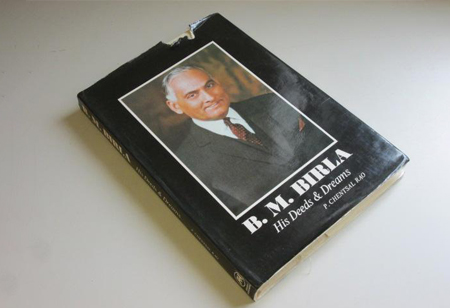
B M Birla established the Hindustan Motors Limited (HM) in 1942, which produced the Hindustan Ambassador. The automobile enjoyed a royal status known as the ‘King of Indian Roads,’ standing as a symbol of transformation in the sector. It ventured out well and gained high esteem for being politicians' go-to car.
Prime Time of the Ambassador
During its prime time, the Ambassador's spacious room and sturdy structure were so much liked by Indian families and government officials that it soon became more than just a car; it was a symbol of pride in the country. HM’s strong market presence kept it at the top of the market. Its technology at the time matched the evolution of the market in which only a few improvements were rolled in. Since the market then had very little enthusiasm for technological advancement, the company was already an established powerful player among its peers.
When HM and GM Shook Hands, But Mayhem Unfolds
In 1990, HM went into a joint venture with General Motors (GM). But nine years later, a series of misfortune and missed opportunities made GM buy HM’s plant in Halol, Gujarat. This was the start of HM’s endgame.
Missed Opportunities
Firstly, the company seldom kept pace with technology advancements and growing customer demands. Instead, it rolled out only minor upgrades to Ambassador. This led to limited engine options and architectural designs, eventually forcing HM’s market to decline.
But its biggest reason for downfall was the failed 50-50 joint venture with GM.
HM did not invest in its R&D, update its models or adjust its pricing.
Ultimately, it dug its own grave by becoming less significant among other players in the automotive industry.
From Royalty Status to Taxi Status
In the last years, the Ambassador car’s status was reduced to the role of taxis in the country. For some time, the yellow-capped cars with black bases became an iconic part of the urban and suburban regions of the country, but even this was short-lived. Over time, even though the market evolved, these taxis did not move on and eventually became a nostalgic memory among the citizens.
Despite the visionary leadership of B M Birla, the following leaders within the company failed to acknowledge the shifting market landscape.