

Navigating the Next Era of India's Residential Real Estate
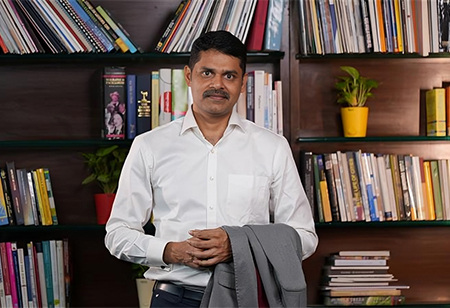
Rohit Kishore, CEO, Hero Realty, 0
India’s residential real estate market is no longer defined merely by the pace of construction or the volume of transactions. It is being reshaped by a fundamental shift in consumer aspiration, institutional credibility, and infrastructure-led urban growth. Over the last few years, we have witnessed a decisive movement from need-based housing to aspiration-led living, where the home is viewed not only as shelter or investment, but as a long-term expression of lifestyle, wellbeing, and personal success.
This evolution reflects a maturing economy and a more confident homebuyer who values quality, transparency, and enduring value as much as location and price. While these remain foundational, there is now equal emphasis on thoughtful planning, functional design, efficient layouts, construction quality, modern amenities, wellness features, and eco-friendly elements. The increasing preference for premium and lifestyle housing reflects broader socio-economic growth, rising income levels, and easier access to housing finance.
Also Read: Building Resilient Business Models for a Hyperconnected World
Infrastructure: The Silent Multiplier
Few forces have reshaped residential demand as decisively as infrastructure. New expressways, metro networks, ring roads, and economic corridors are not only reducing travel times, but they are also redrawing the residential map of our cities.
Entire micro-markets are being created around connectivity, unlocking land value and catalyzing organized development.
Corridors such as Dwarka Expressway and Urban Extension Road II exemplify how infrastructure acts as a long-term growth engine, attracting both end-users and investors. Equally significant is the rise of Tier-2 cities, where improved connectivity, expanding commercial ecosystems, and aspirational
demographics are driving demand for lifestyle-oriented housing.
Cities like Mohali and Ludhiana are no longer secondary choices. They are emerging as self-sustaining residential destinations, where buyers now seek the same quality of planning, security, and amenities once associated only with metro living.
Trust as the New Currency
Perhaps the most consequential shift has been the restoration of trust in the sector. Regulatory reforms, particularly RERA, have introduced long-overdue discipline, transparency, and accountability. This has strengthened governance standards and significantly improved buyer confidence.
Also Read: When to Scale Your Business: Key Signs and Strategies
In a maturing market, credibility has become the most valuable differentiator. Buyers today gravitate toward developers with proven execution capabilities, financial prudence, and a long-term commitment to quality.
The era of speculative development is giving way to institutionally driven, delivery-focused real estate, a transition that strengthens the sector’s long-term sustainability.
Lifestyle Housing
Lifestyle housing represents the natural evolution of India’s urbanization story. Integrated townships and mixed-use developments emerging as preferred formats, offering a holistic ecosystem that blends living, working, recreation, and wellness.
Also Read: 5 Management Consulting Firms in India Driving Business Growth
Sustainability and wellness are no longer optional add-ons; they are becoming central to residential planning.
Energy-efficient buildings, green mobility, open landscapes, and health-centric amenities are shaping the next generation of communities. This shift reflects not only environmental responsibility, but also a deeper understanding of quality of life as a core urban priority.
The future of Indian housing will not be defined by scale alone, but by quality, trust, and the lived experience of its communities. And in that future, premium and lifestyle housing will play a defining role in shaping how urban India lives, works, and thrives.
Cities like Mohali and Ludhiana are no longer secondary choices. They are emerging as self-sustaining residential destinations, where buyers now seek the same quality of planning, security, and amenities once associated only with metro living.
Trust as the New Currency
Perhaps the most consequential shift has been the restoration of trust in the sector. Regulatory reforms, particularly RERA, have introduced long-overdue discipline, transparency, and accountability. This has strengthened governance standards and significantly improved buyer confidence.
Also Read: When to Scale Your Business: Key Signs and Strategies
The future of Indian housing will not be defined by scale alone, but by quality, trust, and the lived experience of its communities
In a maturing market, credibility has become the most valuable differentiator. Buyers today gravitate toward developers with proven execution capabilities, financial prudence, and a long-term commitment to quality.
The era of speculative development is giving way to institutionally driven, delivery-focused real estate, a transition that strengthens the sector’s long-term sustainability.
Lifestyle Housing
Lifestyle housing represents the natural evolution of India’s urbanization story. Integrated townships and mixed-use developments emerging as preferred formats, offering a holistic ecosystem that blends living, working, recreation, and wellness.
Also Read: 5 Management Consulting Firms in India Driving Business Growth
Sustainability and wellness are no longer optional add-ons; they are becoming central to residential planning.
Energy-efficient buildings, green mobility, open landscapes, and health-centric amenities are shaping the next generation of communities. This shift reflects not only environmental responsibility, but also a deeper understanding of quality of life as a core urban priority.
The future of Indian housing will not be defined by scale alone, but by quality, trust, and the lived experience of its communities. And in that future, premium and lifestyle housing will play a defining role in shaping how urban India lives, works, and thrives.