


Anil Dagia: Turning Learning Into Lasting Professional Transformation

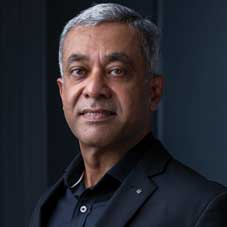
Anil Dagia
NLP Master Trainer & ICF PCC Coach
Emotional Intelligence adds another dimension by helping individuals understand and manage their responses, particularly in demanding situations, while business mastery focuses on translating these capabilities into a sustainable professional practice.
It is at the intersection of these disciplines that Anil Dagia has built his professional practice. An NLP Master Trainer, ICF Professional Certified Coach (PCC), Mentor Coach, author and business mentor Dagia works across NLP, professional coach development, experiential Emotional Intelligence and business mastery.
He is the creator and trademark owner of Emotional Fitness Gym, his proprietary emotional-development system, and the creator of the Jenga + NLP + Somatic Emotional Intelligence model.
Dagia’s perspective is shaped by a career that began in corporate IT, progressing from software programming to leadership of IT infrastructure. His introduction to NLP in 2007 marked a significant shift in his professional direction.
Following a cardiac event in 2010, he began reassessing the relationship between achieve - ment and personal wellbeing, eventually leaving full-time employment in 2011.
That transition shaped a central question in his work: how can people transform 'LEARNING' into a different way of living, working and building a livelihood?
His approach brings together four inter connected areas. NLP explores behavioural patterns, language and beliefs; ICF-aligned coaching develops reflective and accountable professional practice; Emotional Intelligence and emotional fitness address responses to pressure and interpersonal situations; while business mastery focuses on creating viable professional practices.
For Dagia, these capabilities are most meaningful when considered together. A professional building a coaching career must navigate personal patterns, coaching competence, emotional resilience and business realities.
By connecting these dimensions, his work focuses on helping professionals move beyond acquiring knowledge toward applying it meaningfully in their work and lives.
How do you integrate NLP methodologies with ICF-aligned coaching compe- tencies, professional standards, and ethics to create a coaching approach that is both transformational and professionally groun ded?
As an NLP Master Trainer, ICF PCC Coach and Mentor Coach, I combine behavioural-change methods with professional coaching practice. NLP helps me explore how language, beliefs, attention and interpretation influence behaviour, while coaching creates space for reflection, choice and accountability. I keep the client’s purpose, agency and choices at the centre of the process.
I also maintain clear boundaries between coaching, NLP training and business mentoring, ensuring clients understand the nature of each engagement. Through demonstrations, supervised practice, feedback and mentoring, I help coaches strengthen their capabilities while remaining conscious of professional standards, ethics and the boundaries of their competence.
What gaps in conventional Emotional Intelligence training led you to create these models, and how do they help people develop emotional resilience and self awareness through practice?
I observed a recurring gap between under standing Emotional Intelligence conceptually and applying it during emotionally demanding situations. People may understand self-awareness yet struggle to respond differently when facing criticism, uncertainty or pressure. I created Emotional Fitness Gym around structured practice, reflection and emotional exercises, using the fitness metaphor to emphasise that capability develops through consistent practice.
My Jenga + NLP + Somatic Emotional Intelligence model combines physical repre- sentation, exploration of meaning and awareness of bodily sensations. These experiences help participants notice patterns, pause, communicate more clearly and make conscious choices, translating emotional learning into everyday behaviour rather than keeping it purely theoretical.
What principles of business mastery do coaches and subject-matter experts most often overlook when building a sustainable practice?
I believe many professionals underestimate the distinction between expertise and business capability. Being an excellent coach or subject-matter expert does not automatically create a sustainable practice. I emphasise positioning first: understanding who you serve, the problems they face and the value you provide.
That clarity should influence your offers, communication pricing and sales conversations. I also focus on creating repeatable processes for lead generation, follow-up, client delivery and financial management.
As an NLP Master Trainer, ICF PCC Coach and Mentor Coach, I combine behavioural-change methods with professional coaching practice. NLP helps me explore how language, beliefs, attention and interpretation influence behaviour, while coaching creates space for reflection, choice and accountability. I keep the client’s purpose, agency and choices at the centre of the process.
Anil Dagia transforms learning into lasting change by integrating NLP emotional intelli-gence, coaching and business mastery
I also maintain clear boundaries between coaching, NLP training and business mentoring, ensuring clients understand the nature of each engagement. Through demonstrations, supervised practice, feedback and mentoring, I help coaches strengthen their capabilities while remaining conscious of professional standards, ethics and the boundaries of their competence.
What gaps in conventional Emotional Intelligence training led you to create these models, and how do they help people develop emotional resilience and self awareness through practice?
I observed a recurring gap between under standing Emotional Intelligence conceptually and applying it during emotionally demanding situations. People may understand self-awareness yet struggle to respond differently when facing criticism, uncertainty or pressure. I created Emotional Fitness Gym around structured practice, reflection and emotional exercises, using the fitness metaphor to emphasise that capability develops through consistent practice.
My Jenga + NLP + Somatic Emotional Intelligence model combines physical repre- sentation, exploration of meaning and awareness of bodily sensations. These experiences help participants notice patterns, pause, communicate more clearly and make conscious choices, translating emotional learning into everyday behaviour rather than keeping it purely theoretical.
What principles of business mastery do coaches and subject-matter experts most often overlook when building a sustainable practice?
I believe many professionals underestimate the distinction between expertise and business capability. Being an excellent coach or subject-matter expert does not automatically create a sustainable practice. I emphasise positioning first: understanding who you serve, the problems they face and the value you provide.
That clarity should influence your offers, communication pricing and sales conversations. I also focus on creating repeatable processes for lead generation, follow-up, client delivery and financial management.
Business mastery ultimately requires moving from being only an operator to becoming an owner who designs systems, makes informed decisions and builds a practice without compromising professional integrity or service quality.
How have you structured this four-domain ecosystem to help individuals progress from personal mastery to professional capability, emotional resilience and sustainable career or business growth?
I connect four domains around the broader goal of meaningful personal and professional development. NLP addresses language, beliefs, behavioural patterns and change. ICF-aligned coaching and coach development focus on professional capability, reflection, practice and accountability.
Emotional Intelligence and Emotional Fitness Gym help people recognise and work with emotional patterns, while business mastery addresses positioning, client acquisition, systems and ownership. I do not assume everyone needs the same pathway.
An aspiring coach may need all four areas, while a leader may focus more on communication and emotional awareness. My objective is to connect learning with individual goals and real-world application.
How do you see your integrated coaching eco- system evolving as AI transforms professional development?
I want to deepen the connections between NLP, ICF aligned coaching, Emotional Intelligence and business mastery across my programmes, books, resources and experiential learning.
Emotional Fitness Gym and the Jenga + NLP + Somatic Emotional Intelligence model offer practical ways to explore emotional development, while coaching and mentoring support reflection, application and professional growth.
I see AI playing a useful role in learning, preparation and reflection, provided accuracy, consent and appropriate boundaries are maintained. At the same time, human capabilities such as presence, empathy, emotional awareness, ethical judgement and responsibility will remain central. My aim is to help people develop professionally emotionally and commercially in an integrated way.
Anil Dagia, NLP Master Trainer & ICF PCC Coach, Anil Dagia
Anil Dagia is an NLP Master Trainer, ICF Professional Certified Coach (PCC), Mentor Coach, author and business mentor. He integrates NLP, professional coaching, Emotional Intelligence and business mastery to support meaningful personal and professional development.
He is the creator and trademark owner of Emotional Fitness Gym, his proprietary emotional development system, and the creator of the Jenga + NLP + Somatic Emotional Intelligence model.