


Rakesh Kumar Mehta : Enabling The Next Wave Of Telecom Disruption In India
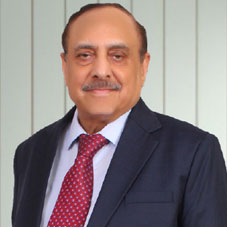
Rakesh Kumar Mehta
Chief Regulatory Officer & COO
Their influence extends beyond compliance; they actively shape policy conversations, mitigate risks, and enable companies to scale responsibly in highly regulated environments. By fostering collaboration between regulators, industry stakeholders, and internal teams, regulatory leaders bring structure and foresight to business strategy, ensuring that innovation aligns seamlessly with governance.
Among such distinguished leaders is Rakesh Kumar Mehta, Chief Regulatory Officer and Chief Operating Officer at Plintron and Secretary General of VNOAI. A telecom veteran with over five decades of experience, his journey reflects the evolution of India’s communication landscape itself.
An electrical engineer from Delhi, he began his career with the Government of India’s Overseas Communication Service in 1971. Over the next 37 years, he contributed across key departments in the Government of India such as Overseas Communication Service a department under Ministry of Communications, Govt of India which was later converted into PSU as VSNL in 1986, and later Govt of India disinvested and sold to the Tata Group in 2002, which is now Tata Communications Limited.
Worked on a diverse range of technologies including satellite communication, submarine cable systems, transmission networks, broadcasting and was Area Manager North India in the Satcomm project of Software Technology Park of India and was pioneer in supporting ITES evolution when TCS, Wipro, Infosys and HCL Technology was starting their software export business in India.
Due to our support in the period 1994-1997 and when India's Software Exports and BPO business was launched and due to deep technical support now India is a global powerhouse in ITES and BPO business.
This extensive exposure to new technologies for the tech industry which enabled him to develop a holistic understanding of both technological infrastructure and regulatory ecosystems. Over time, his leadership approach evolved to consistently align technological advancements with regulatory frameworks. He is known for deeply engaging with both domains, understanding not only how technologies function but also how policies shape their deployment.
Today, he plays a critical role in bridging the gap between regulators, telecom operators, and emerging players like startups. By bringing clarity, structure, and strategic alignment, he continues to influence India’s telecom ecosystem, particularly in strengthening the Virtual Network Operator (VNO) landscape and enabling sustainable industry growth.
CEO Insights engaged in a one-on-one inter -action with Rakesh Kumar Mehta, Chief Regulatory Officer and Chief Operating Officer at Plintron and Secretary General of VNOAI, let’s hear from him.
How do you envision the role of the VNOAI in shaping India’s telecom ecosystem?
As Secretary General of VNOAI, my vision is to democratize telecom services by empowering Virtual Network Operators (VNOs) to drive innovation, affordability, and highly differentiated offerings. I see VNOs as vital enablers in expanding access and enhancing service delivery, particularly for enterprises and niche customer segments.
We work closely with key regulators such as TRAI and DoT, along with other government bodies, to build a structured, transparent, and future-ready telecom ecosystem. A major priority for us is addressing
challenges like spam and fraud by promoting accountability and traceability across the network. Through these efforts, we aim to create a more secure, inclusive, and innovation-driven telecom landscape in India.
What key initiatives is VNOAI driving to strengthen the VNO ecosystem in India?
One of our key priorities is bringing greater regulatory clarity, particularly within frameworks like TCCCPR (Telecom Commercial Communi- cations Customer Preference Regulations). At present, there are gaps in clearly defining the role of VNOs, especially in areas such as DLT (Distributed Ledger Technology) platforms.
We are actively engaging with telecom operators and regulators, including TRAI, to ensure VNOs gain better visibility and operational control within the ecosystem. Our focus is on enhancing transparency in call handling, strengthening spam detection systems and improving compliance mechanisms. These initiatives are essential to building a more accountable, efficient, and resilient telecom environment that fully enables the growth and contribution of VNOs in India.
How does Plintron align its global MVNE role with the vision of VNOAI and the growth of India’s VNO ecosystem?
As a global MVNE operating across more than 30 countries, Plintron brings advanced platforms and international expertise to support MVNOs. In India, our intent has been to strengthen the telecom ecosystem by enabling innovative, flexible, and customer-centric services.
However, the journey has not been without challenges. Limited regulatory support and operational constraints particularly in working with telecom network partners as NSOs have restricted the full realization of this vision.
Despite this, our commitment remains strong and closely aligned with VNOAI’s broader goals. We continue to focus on fostering healthy competition, enhancing service quality, and addressing the needs of under served and niche market segments to unlock the true potential of the VNO ecosystem in India.
How is Plintron enabling enterprises and VNOs to leverage CPaaS, CCaaS, and UCaaS platforms effectively?
Globally, we support advanced digital communication platforms, including CPaaS, CCaaS, UCaaS, and M2M services, enabling enterprises and MVNOs to build scalable and intelligent communication solutions. In India, while our direct involvement has been relatively limited, the ecosystem itself is evolving rapidly with the entry of multiple innovative players.
With licensing frameworks becoming more progressive globally and entry barriers gradually reducing, I see a significant opportunity emerging for MVNOs. These platforms allow them to enhance enterprise communication, improve customer engagement, and deliver more flexible, scalable services.
Our broader focus remains on enabling this transformation by aligning global expertise with local market potential, ensuring that MVNOs can fully leverage the growing digital communications landscape.
What key regulatory challenges do VNOs face in India, and how is VNOAI addressing them?
One of the biggest challenges I see is the limited understanding of the VNO model among regulators and policymakers. VNOs are often perceived as mere resellers, whereas in reality, they play a distinct and valuable role in service delivery and innovation especially as MVNOs’ Government of India envisaged an vision in NTP-2012 and NDNC-2018 to make service delivery more robust so that services can be provisioned in a cost effective manner to end consumers.
Right now the Indian Telecom market is duopoly market and incumbents are exploiting the market and consumers are facing the brunt of this and have to accept the services as is where is basis. Government of India has to review the existing VNO licensing framework to revive the
What key initiatives is VNOAI driving to strengthen the VNO ecosystem in India?
One of our key priorities is bringing greater regulatory clarity, particularly within frameworks like TCCCPR (Telecom Commercial Communi- cations Customer Preference Regulations). At present, there are gaps in clearly defining the role of VNOs, especially in areas such as DLT (Distributed Ledger Technology) platforms.
Fostering competition, enhancing service quality, and enabling VNO growth is key to India’s telecom future
We are actively engaging with telecom operators and regulators, including TRAI, to ensure VNOs gain better visibility and operational control within the ecosystem. Our focus is on enhancing transparency in call handling, strengthening spam detection systems and improving compliance mechanisms. These initiatives are essential to building a more accountable, efficient, and resilient telecom environment that fully enables the growth and contribution of VNOs in India.
How does Plintron align its global MVNE role with the vision of VNOAI and the growth of India’s VNO ecosystem?
As a global MVNE operating across more than 30 countries, Plintron brings advanced platforms and international expertise to support MVNOs. In India, our intent has been to strengthen the telecom ecosystem by enabling innovative, flexible, and customer-centric services.
However, the journey has not been without challenges. Limited regulatory support and operational constraints particularly in working with telecom network partners as NSOs have restricted the full realization of this vision.
Despite this, our commitment remains strong and closely aligned with VNOAI’s broader goals. We continue to focus on fostering healthy competition, enhancing service quality, and addressing the needs of under served and niche market segments to unlock the true potential of the VNO ecosystem in India.
How is Plintron enabling enterprises and VNOs to leverage CPaaS, CCaaS, and UCaaS platforms effectively?
Globally, we support advanced digital communication platforms, including CPaaS, CCaaS, UCaaS, and M2M services, enabling enterprises and MVNOs to build scalable and intelligent communication solutions. In India, while our direct involvement has been relatively limited, the ecosystem itself is evolving rapidly with the entry of multiple innovative players.
With licensing frameworks becoming more progressive globally and entry barriers gradually reducing, I see a significant opportunity emerging for MVNOs. These platforms allow them to enhance enterprise communication, improve customer engagement, and deliver more flexible, scalable services.
Our broader focus remains on enabling this transformation by aligning global expertise with local market potential, ensuring that MVNOs can fully leverage the growing digital communications landscape.
What key regulatory challenges do VNOs face in India, and how is VNOAI addressing them?
One of the biggest challenges I see is the limited understanding of the VNO model among regulators and policymakers. VNOs are often perceived as mere resellers, whereas in reality, they play a distinct and valuable role in service delivery and innovation especially as MVNOs’ Government of India envisaged an vision in NTP-2012 and NDNC-2018 to make service delivery more robust so that services can be provisioned in a cost effective manner to end consumers.
Right now the Indian Telecom market is duopoly market and incumbents are exploiting the market and consumers are facing the brunt of this and have to accept the services as is where is basis. Government of India has to review the existing VNO licensing framework to revive the
MVNOs in India in the interest of consumers.
We are actively engaging with authorities such as TRAI and DoT to help redefine regulatory frameworks and clearly establish the position of VNOs within the ecosystem. Our efforts focus on identifying tailored compliance requirements and ensuring proper visibility in systems like DLT.
Ultimately our goal is to build a structured, transparent, and fair environment where VNOs can operate as a service delivery operator efficiently and contribute meaningfully to India’s telecom growth.
What global opportunities do you see for Indian VNOs?
I believe Indian VNOs have significant potential to expand into global markets, particularly in areas like enterprise communication, digital platforms, and niche telecom services. Their strength lies in cost optimization, operational efficiency, and a strong culture of innovation, which allows them to compete effectively on the inter -national stage.
However, success will depend on how well they align with global regulatory standards and compliance frameworks. By leveraging India’s deep capabilities in technology, digital services, and talent, VNOs can position themselves as agile and scalable partners worldwide.
With the right strategy and regulatory alignment, I see Indian VNOs emerging as key contributors to the global telecom and digital communications ecosystem in wire line sector.
But in the wireless sector since last 10 years of UL VNO policy no VNO could take off due to entry barrier and unfavourable licensing guidelines where in license for the wireless is just redundant as no NSO (TSP) is ready to provide access to the network which is the basic requirement for wireless operator to get access to the network of TSP (NSO).
What role do you see VNOAI playing in shaping the future of India’s telecom ecosystem?
I see VNOAI playing a pivotal role in integrating VNOs into the mainstream telecom framework as the industry evolves. With the rapid growth of digital communication and increasing concerns around spam and fraud, VNOs will be essential in ensuring trace ability, accountability, and regulatory compliance.
We are committed to working closely with government bodies and regulators to develop policies that strike the right balance between encouraging innovation and maintaining oversight. Looking ahead, our roadmap includes leveraging AI and advanced technologies to minimize fraud, strengthen compliance mechanisms, and significantly enhance service quality. Through these efforts, we aim to build a more secure, efficient, and future-ready telecom ecosystem in India.
What motivates you to drive industry change, and what advice would you give emerging telecom leaders?
My motivation comes from a deep under standing of the telecom ecosystem and a strong belief that VNOs are essential for building a competitive and consumer friendly market.
Despite ongoing challenges, I remain actively engaged with regulators and industry stakeholders to help drive meaningful and lasting change.
My advice to emerging leaders and entre -preneurs is straightforward: develop a strong grasp of both technology and regulation. Many focus heavily on innovation but overlook the importance of regulatory frameworks, which are equally critical.
Stay informed about industry developments, actively participate in policy discussions, and ensure your solutions align with evolving regulations. This balanced approach is key to building sustainable and successful ventures in the telecom and digital communications space.
Rakesh Kumar Mehta, Chief Regulatory Officer & Chief Operating Officer, Plintron
Rakesh Kumar Mehta is a telecom veteran with over five decades of experience across government, regulatory, and private sectors. As Chief Regulatory Officer and COO at Plintron and Secretary General of VNOAI, he drives policy alignment, innovation, and growth, playing a key role in shaping India’s evolving telecom ecosystem.
We are actively engaging with authorities such as TRAI and DoT to help redefine regulatory frameworks and clearly establish the position of VNOs within the ecosystem. Our efforts focus on identifying tailored compliance requirements and ensuring proper visibility in systems like DLT.
Ultimately our goal is to build a structured, transparent, and fair environment where VNOs can operate as a service delivery operator efficiently and contribute meaningfully to India’s telecom growth.
What global opportunities do you see for Indian VNOs?
I believe Indian VNOs have significant potential to expand into global markets, particularly in areas like enterprise communication, digital platforms, and niche telecom services. Their strength lies in cost optimization, operational efficiency, and a strong culture of innovation, which allows them to compete effectively on the inter -national stage.
However, success will depend on how well they align with global regulatory standards and compliance frameworks. By leveraging India’s deep capabilities in technology, digital services, and talent, VNOs can position themselves as agile and scalable partners worldwide.
With the right strategy and regulatory alignment, I see Indian VNOs emerging as key contributors to the global telecom and digital communications ecosystem in wire line sector.
But in the wireless sector since last 10 years of UL VNO policy no VNO could take off due to entry barrier and unfavourable licensing guidelines where in license for the wireless is just redundant as no NSO (TSP) is ready to provide access to the network which is the basic requirement for wireless operator to get access to the network of TSP (NSO).
What role do you see VNOAI playing in shaping the future of India’s telecom ecosystem?
I see VNOAI playing a pivotal role in integrating VNOs into the mainstream telecom framework as the industry evolves. With the rapid growth of digital communication and increasing concerns around spam and fraud, VNOs will be essential in ensuring trace ability, accountability, and regulatory compliance.
We are committed to working closely with government bodies and regulators to develop policies that strike the right balance between encouraging innovation and maintaining oversight. Looking ahead, our roadmap includes leveraging AI and advanced technologies to minimize fraud, strengthen compliance mechanisms, and significantly enhance service quality. Through these efforts, we aim to build a more secure, efficient, and future-ready telecom ecosystem in India.
What motivates you to drive industry change, and what advice would you give emerging telecom leaders?
My motivation comes from a deep under standing of the telecom ecosystem and a strong belief that VNOs are essential for building a competitive and consumer friendly market.
Despite ongoing challenges, I remain actively engaged with regulators and industry stakeholders to help drive meaningful and lasting change.
My advice to emerging leaders and entre -preneurs is straightforward: develop a strong grasp of both technology and regulation. Many focus heavily on innovation but overlook the importance of regulatory frameworks, which are equally critical.
Stay informed about industry developments, actively participate in policy discussions, and ensure your solutions align with evolving regulations. This balanced approach is key to building sustainable and successful ventures in the telecom and digital communications space.
Rakesh Kumar Mehta, Chief Regulatory Officer & Chief Operating Officer, Plintron
Rakesh Kumar Mehta is a telecom veteran with over five decades of experience across government, regulatory, and private sectors. As Chief Regulatory Officer and COO at Plintron and Secretary General of VNOAI, he drives policy alignment, innovation, and growth, playing a key role in shaping India’s evolving telecom ecosystem.