


Sanjeev Kumar N: Accomplished Cyber Risk Strategist Aligning Security & Business Strategy
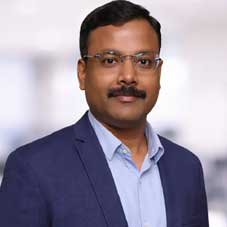
Sanjeev Kumar N
Chief Information Security Officers
Drawing on years of extensive experience, he effectively deals with risk and inculcates robust and proactive security practices across enterprise and telecom sectors, ensuring business objectives are safeguarded and growth is accelerated.
Sanjeev is a distinguished cybersecurity and transformation strategist with extensive expertise across IT, network, and cloud ecosystems. As Head of Security and CISO at Constl, he advocates to lead the design and execution of enterprise-wide security initiatives, fortifying digital infrastructure and enabling secure, scalable business growth. Sajeev brings a wealth of leadership experience spanning over 25+ years, where he has advanced strategically through senior roles at established organizations.
Briefly take us through your professional experience highlighting the crucial junctures that influenced your path to becoming a CISO?
Subsequently, I was responsible for enterprise security strategies, advising executives and integrating security into 4G/5G, cloud, and customer platforms for secure growth. Currently, I believe that a CISO is a strategic role that must balance security and business growth in trusted and resilient environments, and lead teams that perform at their best.
With over 25 years of experience in network, security, and cloud technologies, I take pride in having built my career from scratch. This experience has helped me develop my own insights into threat landscapes and the practical challenges of securing large-scale enterprise and telecom environments. I transitioned into risk and governance to better align security with business strategy, translating technical risks into clear actionable business guidance and supporting regulatory engagements.
In recent years, how has the role of the CISO transformed, particularly within a rapidly expanding, technology-focused setting?
The contemporary CISO has evolved from the conventional reactive security operations to play a central strategic role with a forward-looking focus. Contemporary CISOs serve as risk executives, managing security risk in relation to
business goals to facilitate speed and innovation. CISOs manage governance, regulatory and ecosystem risks, communicating cyber threats in terms of resilience and enterprise value based on the organization's scale.
To what extent do technologies such as AI, automation, and zero-trust architectures contribute to the development of contemporary cybersecurity methodologies?
From a strategy point of view, AI, automation, and zero-trust models are excellent cyber security enablers, but their effectiveness in reality is what matters. AI increases the speed, scale and accuracy of threat detection, making it a game-changer in the field of cybersecurity, but its success largely depends on effectively integrating cutting-edge technology with strong governance and human insight.
As automation increases efficiency and accuracy, it makes it easier to automate repetitive tasks so that teams can scale and make risk-based decisions. The current hybrid and partner-based environment is made secure by zero trust models.
How do you approach leadership, particularly when handling critical security incidents?
My leadership approach is best exemplified in addressing critical security incidents, where I lead the front with calmness and account ability, setting clear direction, ensuring accurate and timely communication, and driving swift, risk-informed decision-making. Incident response requires separating facts from assumptions, maintain transparency with management, and promoting a safe, decisive team culture.
Security teams perform to their full capacity when empowered with accountability, guided by business priorities, and are trained for continuous adaptation. Ultimately, my focus is on creating teams that provide trusted guidance and respond decisively in critical moments.
How do you anticipate cybersecurity evolving in India? What specific risks or patterns should businesses pay close attention to in the future?
As cybersecurity becomes central to enterprise trust, India is experiencing accelerated growth. Security innovation is now being largely driven by strengthened regulations, widespread digital transformation and increased collaboration with agencies like CERT-In. Globally, organisations are moving from prevention to intelligence-led approaches, prioritizing breach readiness and swift response.
As preventive control, boards must monitor AI-powered threats, supplychain vulner abilities, cloud and identity risks, regulatory complexity, and geopolitical tensions. Rather than perfecting the outcome, focus
To what extent do technologies such as AI, automation, and zero-trust architectures contribute to the development of contemporary cybersecurity methodologies?
From a strategy point of view, AI, automation, and zero-trust models are excellent cyber security enablers, but their effectiveness in reality is what matters. AI increases the speed, scale and accuracy of threat detection, making it a game-changer in the field of cybersecurity, but its success largely depends on effectively integrating cutting-edge technology with strong governance and human insight.
Dynamic security leader optimizing risk, ensuring compliance, and building resilient techno - logy frameworks
As automation increases efficiency and accuracy, it makes it easier to automate repetitive tasks so that teams can scale and make risk-based decisions. The current hybrid and partner-based environment is made secure by zero trust models.
How do you approach leadership, particularly when handling critical security incidents?
My leadership approach is best exemplified in addressing critical security incidents, where I lead the front with calmness and account ability, setting clear direction, ensuring accurate and timely communication, and driving swift, risk-informed decision-making. Incident response requires separating facts from assumptions, maintain transparency with management, and promoting a safe, decisive team culture.
Security teams perform to their full capacity when empowered with accountability, guided by business priorities, and are trained for continuous adaptation. Ultimately, my focus is on creating teams that provide trusted guidance and respond decisively in critical moments.
How do you anticipate cybersecurity evolving in India? What specific risks or patterns should businesses pay close attention to in the future?
As cybersecurity becomes central to enterprise trust, India is experiencing accelerated growth. Security innovation is now being largely driven by strengthened regulations, widespread digital transformation and increased collaboration with agencies like CERT-In. Globally, organisations are moving from prevention to intelligence-led approaches, prioritizing breach readiness and swift response.
As preventive control, boards must monitor AI-powered threats, supplychain vulner abilities, cloud and identity risks, regulatory complexity, and geopolitical tensions. Rather than perfecting the outcome, focus
should be on resilience, rapid detection, and early recovery. Strategic actions include making security foundational invest in resilience, enhance oversight, and cultivate a vigilant, risk-aware workforce.
What does Constl’s strategic plan for cybersecurity entail for the future?
Constl’s nationwide AI-Ready network infrastructure building the backbone for the age of Intelligence delivers scalable digital growth, with cybersecurity embedded to ensure reliability, compliance, and stake holder confidence.
Looking ahead, we aim to drive business-aligned security, risk-informed decision-making, and enterprise resilience, and build robust infrastructure. Our focus remains on proactive threat intelligence, regulatory governance, and building security awareness across all teams.
I appreciate our founders, Ankit Goel and Radhey Sharma, for their unwavering commitment to security. Through their visionary leadership, we have ensured that security is a core strategic priority that supports sustainable growth.
What advice would you give to aspiring cybersecurity professionals? What skills do you think will be most important for future CISOs?
My advice is rooted in action where young professionals need to establish deep technical expertise, developing the ability to translate cyber risk into business value.
Credibility and executive communication are essential for long-term success. It is imperative to prioritize ongoing professional development to stay ahead of emerging techno -logies and shifting risks.
Future CISOs must align risk management with business strategy, ensuring security enables growth and agility. In today’s landscape, the CISO leads with strategic communication while focusing on developing enterprise-wide talent.
Sanjeev Kumar N, Chief Information Security Officer, Constl
Harnessing deep industry knowledge, Sanjeev Kumar N brings extensive experience in cybersecurity leadership and enterprise risk management. Currently he spearheads enterprise wide security strategy and risk management as Head of Security and CISO at Constl, translating his vision into action, aligned with overall business objectives
•Hobbies: Well ness-driven explorer
•Favorite Cuisine: I love to try different cuisines, basically Hyderabadi cuisine lover
•Favorite Book: Sapiens: A Brief History of Humankind
•Favorite Travel Destination: Hill stations will always have my heart, yet Kerala, with its lush greenery and serene backwaters tops my list
•Awards & Recognition: Cyber security mentor awardee & aspiring CXO honoree
What does Constl’s strategic plan for cybersecurity entail for the future?
Constl’s nationwide AI-Ready network infrastructure building the backbone for the age of Intelligence delivers scalable digital growth, with cybersecurity embedded to ensure reliability, compliance, and stake holder confidence.
Looking ahead, we aim to drive business-aligned security, risk-informed decision-making, and enterprise resilience, and build robust infrastructure. Our focus remains on proactive threat intelligence, regulatory governance, and building security awareness across all teams.
I appreciate our founders, Ankit Goel and Radhey Sharma, for their unwavering commitment to security. Through their visionary leadership, we have ensured that security is a core strategic priority that supports sustainable growth.
What advice would you give to aspiring cybersecurity professionals? What skills do you think will be most important for future CISOs?
My advice is rooted in action where young professionals need to establish deep technical expertise, developing the ability to translate cyber risk into business value.
Credibility and executive communication are essential for long-term success. It is imperative to prioritize ongoing professional development to stay ahead of emerging techno -logies and shifting risks.
Future CISOs must align risk management with business strategy, ensuring security enables growth and agility. In today’s landscape, the CISO leads with strategic communication while focusing on developing enterprise-wide talent.
Sanjeev Kumar N, Chief Information Security Officer, Constl
Harnessing deep industry knowledge, Sanjeev Kumar N brings extensive experience in cybersecurity leadership and enterprise risk management. Currently he spearheads enterprise wide security strategy and risk management as Head of Security and CISO at Constl, translating his vision into action, aligned with overall business objectives
•Hobbies: Well ness-driven explorer
•Favorite Cuisine: I love to try different cuisines, basically Hyderabadi cuisine lover
•Favorite Book: Sapiens: A Brief History of Humankind
•Favorite Travel Destination: Hill stations will always have my heart, yet Kerala, with its lush greenery and serene backwaters tops my list
•Awards & Recognition: Cyber security mentor awardee & aspiring CXO honoree