


Vipul Doshi: Making Quality a Culture, Not an Inspection Exercise
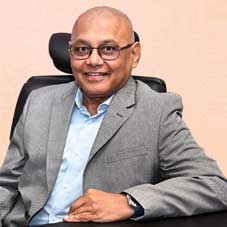
Vipul Doshi
Chief Quality Officer
A Chief Quality Officer must bring together science, operations, compliance, and business priorities while ensuring that every decision ultimately supports the delivery of safe, effective, and reliable medicines. At Zydus Lifesciences, this responsibility is shouldered by Vipul Doshi, Chief Quality Officer, whose more than four decades of pharmaceutical experience have shaped a distinctly patient-centric and science-driven approach to quality leadership.
Vipul Doshi’s academic foundation combines an M.Sc. in Microbiology with an MBA, enabling him to bridge scientific rigor with business strategy. Over his career, he has worked across Operations, R&D, GxP Quality Assurance, Regulatory Affairs, Pharmacovigilance, and Compliance, gaining experience with both Generics and New Chemical Entities. His exposure spans sterile injectables, oral solid dosage forms, biologics, vaccines, transdermal systems, biotechnology products, and APIs, giving him a broad perspective of the pharmaceutical value chain.
His approach to quality was shaped by a career that began when access to information was far less immediate than it is today. Staying abreast of scientific and regulatory developments required extensive reading, continuous learning, and close attention to industry and inspection learnings. That discipline fostered a lasting emphasis on curiosity, preparation, and lifelong learning.
A defining shift in his career came with the realization that developing a medicine is only the beginning. Ensuring that every dose consistently meets the highest standards of quality, safety, efficacy, and compliance is the deeper responsibility. This perspective guided him toward quality leadership and has influenced his work in navigating complex regulatory challenges, including FDA Warning Letter remediation, strengthening quality systems, rebuilding regulatory confidence, and improving inspection readiness.
For Doshi, quality cannot be created when an inspection approaches. It must be built into everyday decisions, systems, behaviours, and leadership practices. His philosophy is therefore patient-centric, science driven, risk-based, and deeply rooted in organizational culture.
Today, at Zydus Lifesciences, he applies these lessons to strengthen global quality standards while developing talent and fostering an environment where quality belongs to everyone. His leadership reflects a broader belief that regulatory compliance is essential, but the ultimate measure of quality leadership is the trust patients place in every medicine they receive.
Could you share Zydus Lifesciences’ quality journey and the practices that have strengthened its global position?
Zydus’ quality journey has evolved with its growth into a global healthcare organization. As we expanded across generics, specialty products, biologics, vaccines, APIs, and innovative therapies, we strengthened our quality systems to meet global regulatory expectations. Invest- ments in modern manufacturing facilities, advanced laboratories, digital technologies, and data integrity have supported operational excellence.
Equally important has been our quality culture, where quality is considered everyone’s responsibility. Initiatives such as QUEST, process simplification, Management Reviews, and our Speak Up culture have strengthened accountability and transparency. We have also used regulatory learnings to drive sustainable improvements. Today, our approach combines scientific rigor, operational discipline, strong governance, digital enablement, and an unwavering focus on patient safety.
Which emerging trends will have the greatest impact on pharmaceutical quality, and how is Zydus preparing?
I believe pharmaceutical quality is moving toward a more predictive, data-driven, and digitally enabled model. Among the emerging trends, I see Artificial Intelligence, advanced analytics, digital quality systems, data integrity, and continuous manufacturing having the greatest impact. AI, in particular, can help us identify patterns, predict risks, and intervene before issues affect product quality or compliance.
At Zydus, we are preparing through digitalization, automation, and data-driven quality practices. Our Quality Control laboratories have transitioned from paper-based processes to digital workflows, improving traceability and data integrity. We are also using AI for Batch Manufacturing Record reviews, laboratory analytics, and quality assessments. However, technology must complement scientific expertise, governance, and a strong quality culture.
How does Zydus’ integrated quality framework ensure compliance and patient safety?
As Chief Quality Officer, I believe my responsibility is to ensure that quality remains embedded throughout the product lifecycle, from development and technology transfer to manufacturing, distribution, and post-market activities. At Zydus, our framework is built around robust quality systems, governance, digital enablement, and quality culture.
Our globally harmonized Quality Management System provides consistent, risk-based approaches to deviations, CAPAs, changes, complaints, supplier quality, audits, and regulatory commitments. We also work closely with Manufacturing, R&D, Regulatory Affairs, SupplyChain, and Pharmaco - vigilance. Digital platforms such as TrackWise, MODA, Tableau, and QMS dashboards provide greater visibility into quality performance. Ultimately, every process is designed around one objective: protecting patient safety.
What initiatives have helped Zydus strengthen continuous improvement and Quality by Design?
I believe sustainable quality leadership begins by embedding quality into the way an organization operates rather than treating it as a compliance requirement. At Zydus, we have strengthened our Quality Management System through harmonized procedures, standardized practices, and robust governance. We continuously monitor regulatory developments and inspection learnings so that we can address potential risks proactively.
Process simplification, Gemba walks, daily quality dialogues, and operator engagement have also supported operational excellence. Our Quality by Design approach helps us build quality into products and processes from the development stage, reducing variability and improving reliability. Digital QMS, AI-driven analytics, and digital laboratories further strengthen decision-making. These initiatives have helped improve performance, stakeholder confidence, and long-term sustainability.
How do you build collaboration, accountability & future quality leadership?
Which emerging trends will have the greatest impact on pharmaceutical quality, and how is Zydus preparing?
I believe pharmaceutical quality is moving toward a more predictive, data-driven, and digitally enabled model. Among the emerging trends, I see Artificial Intelligence, advanced analytics, digital quality systems, data integrity, and continuous manufacturing having the greatest impact. AI, in particular, can help us identify patterns, predict risks, and intervene before issues affect product quality or compliance.
At Zydus, we are preparing through digitalization, automation, and data-driven quality practices. Our Quality Control laboratories have transitioned from paper-based processes to digital workflows, improving traceability and data integrity. We are also using AI for Batch Manufacturing Record reviews, laboratory analytics, and quality assessments. However, technology must complement scientific expertise, governance, and a strong quality culture.
I believe sustainable quality leadership begins by embedding quality into the way an organization operates rather than treating it as a compliance require- ment
How does Zydus’ integrated quality framework ensure compliance and patient safety?
As Chief Quality Officer, I believe my responsibility is to ensure that quality remains embedded throughout the product lifecycle, from development and technology transfer to manufacturing, distribution, and post-market activities. At Zydus, our framework is built around robust quality systems, governance, digital enablement, and quality culture.
Our globally harmonized Quality Management System provides consistent, risk-based approaches to deviations, CAPAs, changes, complaints, supplier quality, audits, and regulatory commitments. We also work closely with Manufacturing, R&D, Regulatory Affairs, SupplyChain, and Pharmaco - vigilance. Digital platforms such as TrackWise, MODA, Tableau, and QMS dashboards provide greater visibility into quality performance. Ultimately, every process is designed around one objective: protecting patient safety.
What initiatives have helped Zydus strengthen continuous improvement and Quality by Design?
I believe sustainable quality leadership begins by embedding quality into the way an organization operates rather than treating it as a compliance requirement. At Zydus, we have strengthened our Quality Management System through harmonized procedures, standardized practices, and robust governance. We continuously monitor regulatory developments and inspection learnings so that we can address potential risks proactively.
Process simplification, Gemba walks, daily quality dialogues, and operator engagement have also supported operational excellence. Our Quality by Design approach helps us build quality into products and processes from the development stage, reducing variability and improving reliability. Digital QMS, AI-driven analytics, and digital laboratories further strengthen decision-making. These initiatives have helped improve performance, stakeholder confidence, and long-term sustainability.
How do you build collaboration, accountability & future quality leadership?
I believe sustainable quality culture is created through people, leadership, and everyday behaviors. At Zydus, I encourage collaboration across Quality, Manufacturing, Engineering, Supply Chain, R&D, and other functions because quality cannot operate in isolation. Initiatives such as QUEST, Daily Dialogues, Gemba walks, Town Halls, and Speak Up forums encourage open communication and shared ownership.
I also believe accountability begins with empowerment. Teams should feel confident identifying issues, challenging existing practices, and taking responsibility for solutions. Developing future quality leaders is equally important, so I focus on coaching, mentoring, cross functional exposure, regulatory experiences, and continuous learning. My objective is to develop professionals who understand compliance while also possessing the confidence to lead transformation and innovation.
How will the Chief Quality Officer role evolve over the next decade?
I see the Chief Quality Officer evolving from a primarily compliance-focused role into a strategic leadership position that contributes to enterprise risk management, digital trans- formation, operational excellence, and sustainable growth. Over the next decade, quality organizations will become increasingly predictive through AI, analytics, automation, and digital systems.
Future quality leaders will therefore need strong regulatory and technical expertise alongside strategic thinking, digital understanding, data-driven decision-making, and change leadership. They must be able to influence across functions, manage complexity and build high -performing teams. Most importantly, they will need to balance compliance with agility, innovation with risk management, and business growth with patient safety. I believe the strongest leaders will position quality as a competitive advantage and a driver of long-term organizational success.
What is your long-term vision for quality excellence at Zydus?
My long-term vision is to help build a globally benchmarked quality organization at Zydus that is recognized not only for compliance but also for innovation, operational excellence, and patient centricity. I want to accelerate the use of AI, digital technologies, smart manufacturing, and predictive quality systems so that we increasingly prevent risks rather than simply detect them.
At the same time, I believe culture will remain our greatest differentiator. I want every employee to take ownership of quality and patient safety. I also hope to contribute to stronger regulatory practices, Quality by Design, digital transformation, knowledge sharing, and development of future quality leaders across the industry. Ultimately, every quality decision must begin and end with the patient and their trust in our medicines.
Vipul Doshi, Chief Quality Officer, Zydus Lifesciences
Vipul Doshi, Chief Quality Officer at Zydus Lifesciences, is a pharmaceutical quality leader with over four decades of industry experience. An M.Sc. in Microbiology and MBA graduate, he has worked across Operations, R&D, Quality Assurance, Regulatory Affairs, Pharmacovigilance, and Com- pliance. His expertise spans generics, biologics, vaccines, sterile injectables, APIs, and innovative therapies, with a strong focus on patient-centric quality and global compliance.
Quality Leadership In Focus
•40+ years of pharmaceutical industry experience.
•M.Sc. in Microbiology and MBA-qualified professional.
•Expertise across quality R&D, operations, regulatory affairs and comp - liance.
•Experienced in FDA remediation and global regulatory compliance.
•Advocate of patient-centric, digital, and AI-enabled quality.
I also believe accountability begins with empowerment. Teams should feel confident identifying issues, challenging existing practices, and taking responsibility for solutions. Developing future quality leaders is equally important, so I focus on coaching, mentoring, cross functional exposure, regulatory experiences, and continuous learning. My objective is to develop professionals who understand compliance while also possessing the confidence to lead transformation and innovation.
How will the Chief Quality Officer role evolve over the next decade?
I see the Chief Quality Officer evolving from a primarily compliance-focused role into a strategic leadership position that contributes to enterprise risk management, digital trans- formation, operational excellence, and sustainable growth. Over the next decade, quality organizations will become increasingly predictive through AI, analytics, automation, and digital systems.
Future quality leaders will therefore need strong regulatory and technical expertise alongside strategic thinking, digital understanding, data-driven decision-making, and change leadership. They must be able to influence across functions, manage complexity and build high -performing teams. Most importantly, they will need to balance compliance with agility, innovation with risk management, and business growth with patient safety. I believe the strongest leaders will position quality as a competitive advantage and a driver of long-term organizational success.
What is your long-term vision for quality excellence at Zydus?
My long-term vision is to help build a globally benchmarked quality organization at Zydus that is recognized not only for compliance but also for innovation, operational excellence, and patient centricity. I want to accelerate the use of AI, digital technologies, smart manufacturing, and predictive quality systems so that we increasingly prevent risks rather than simply detect them.
At the same time, I believe culture will remain our greatest differentiator. I want every employee to take ownership of quality and patient safety. I also hope to contribute to stronger regulatory practices, Quality by Design, digital transformation, knowledge sharing, and development of future quality leaders across the industry. Ultimately, every quality decision must begin and end with the patient and their trust in our medicines.
Vipul Doshi, Chief Quality Officer, Zydus Lifesciences
Vipul Doshi, Chief Quality Officer at Zydus Lifesciences, is a pharmaceutical quality leader with over four decades of industry experience. An M.Sc. in Microbiology and MBA graduate, he has worked across Operations, R&D, Quality Assurance, Regulatory Affairs, Pharmacovigilance, and Com- pliance. His expertise spans generics, biologics, vaccines, sterile injectables, APIs, and innovative therapies, with a strong focus on patient-centric quality and global compliance.
Quality Leadership In Focus
•40+ years of pharmaceutical industry experience.
•M.Sc. in Microbiology and MBA-qualified professional.
•Expertise across quality R&D, operations, regulatory affairs and comp - liance.
•Experienced in FDA remediation and global regulatory compliance.
•Advocate of patient-centric, digital, and AI-enabled quality.