

BCIC, IIID Sign MoU to Enhance Bengaluru’s Urban Infrastructure
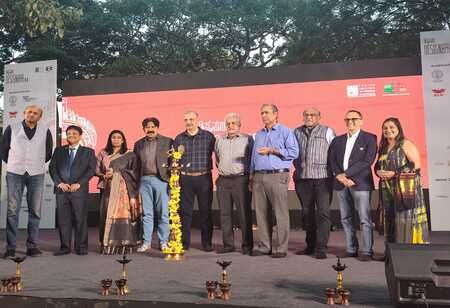
For years, Bengaluru has experimented with single-window platforms, yet citizens still don’t know whom to approach for basic civic issues. Apps come and go, and problems are often marked as ‘resolved’ even when nothing has changed. Naresh Narasimhan, a well-known architect and Managing Partner at Venkataramanan Associates, said this while addressing a panel discussion on the second day of Designuru 5.0 hosted by IIID & BCIC.
“The real breakthrough lies in using what the city already has-its Namma Metro stations. With over 120 stations across Bengaluru, most with unused ground-floor space, these stations are ready-made hubs for public services. If we activate them, every citizen will have an accessible point of contact just a short walk or metro ride away,” adds Naresh.
Also Read: Air India CEO Urges Staff to Aid Travellers Amid IndiGo Crisis
Bengaluru’s long-standing challenge has been the lack of a clear, face-to-face interface for civic concerns, despite initiatives such as Bangalore One and various grievance apps. Issues related to drains, footpaths and traffic often leave citizens unsure of whom to contact, debated the other panellists in the panel discussion.
Panellist, Maheshwar Rao, IAS, Chief Commissioner, Greater Bengaluru Authority) says, “There is a growing crisis of trust between citizens and the systems meant to serve them, and until that gap is repaired, meaningful progress will remain slow. Projects are announced with fanfare but rarely delivered on time, leaving people disillusioned".
"What the city needs is transparency, consistent communication, and spaces where citizens and professionals can volunteer their expertise. At the same time, Bengaluru must reclaim its public spaces which are its lakes, walkways, parks and neighbourhood streets, so people can walk, gather, and live well within their localities. With the population set to double, sustainability and liveability must take centre stage.
Also Read: HD Hyundai Picks Tamil Nadu’s Thoothukudi for Shipyard Project
"Better mobility, cleaner lakes, accessible public spaces, and responsible waste management are not luxuries; they are essential foundations for a healthier, more humane city".
L. K. Atheeq, IAS, Chairman, Bengaluru Business Corridor, who also participated in the panel discussion, added, “Bangalore needs to evolve into a network of vibrant, walkable micro-cities, each with its own public square, community spaces, and easy metro access—so that people can live and move within their own neighbourhoods. Our city lacks common gathering places, and creating these piazzas can rebuild local identity. Even a one-acre shared space can become a lively hub for culture, cafés, and community activity. Opening up existing parks, playgrounds, and public assets to citizens must go hand in hand with this shift toward neighbourhood-based urban life.”
Prashanth Gokhale, President, BCIC says, “As BCIC enters its Golden Jubilee year, we stand on the strong foundation built by our visionary leaders and partners, whose dedication and foresight continue to inspire our mission of fostering innovation, infrastructure excellence, and design-led urban development in Karnataka".
Also Read: Simone Tata Pioneer Behind Iconic Brands Lakme, More Passes Away
"Together with our stakeholders, we remain committed to driving inclusive, sustainable growth that benefits industry, society, and the city at large. This milestone is not only a celebration of our legacy but also a reaffirmation of our responsibility to shape a more resilient, competitive, and future-ready Bengaluru. With renewed energy and purpose, we look forward to deepening collaborations, championing bold ideas, and catalysing new opportunities for the next generation.”