

Electric Vehicle Fleets Need Different Telematics
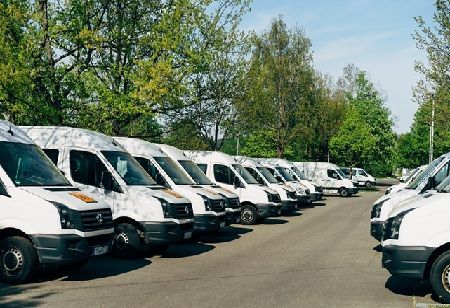 The first real problem showed up in January when temperatures around Munich dropped to minus 8, and three of the new electric vans ran out of charge before completing their delivery routes. Hofmann Logistics, a mid sized courier company that handles last mile deliveries for several e-commerce clients in Bavaria, had switched 26 of its 50 urban vehicles to electric over the previous summer, and the transition had gone smoothly enough through autumn. The vans were cheaper to run, the drivers liked them, and the company was hitting its sustainability targets ahead of schedule. Then winter arrived, and the telematics system that had worked fine for years started giving range predictions that were off by 30 or 40 kilometers on cold days, which in a delivery operation with tight route schedules is the difference between completing your stops and calling for a flatbed.
Hofmann had been using the same fleet tracking platform since maybe 2018 or 2019, one of those standard setups you see everywhere in German logistics. GPS location, driver behavior scores, engine fault codes, service interval reminders, that kind of thing. It worked well for diesel vehicles because diesel vehicles are predictable. You know roughly how much fuel a van burns per kilometer, you know the tank capacity, and the math is straightforward. The platform had an EV module that the vendor added a couple of years ago, but it treated electric range the same way it treated fuel range, as a simple calculation based on battery percentage and rated efficiency. What it didn't know, and couldn't learn, was that lithium ion batteries behave completely differently when temperatures drop. The cold saps capacity on its own, sometimes 20 percent or more, and then you've got drivers running the cabin heater, which pulls from the same battery that moves the van. Regenerative braking gets unpredictable on icy roads, too. A fleet manager at Hofmann said they were losing some where between a quarter and a third of their rated range on the worst days in January, and nothing in their telematics dashboard could account for any of it.
This gap between what legacy telematics platforms can do and what EV fleets actually need has become one of the quieter problems in the commercial vehicle transition. The big logistics companies, DHL and UPS, and the national postal services have mostly built or bought specialized systems that handle EV complexity from the ground up. But mid sized operators like Hofmann, companies running 30, 80, or 150 vehicles, often try to extend their existing platforms rather than replace them entirely, and the results are mixed at best. A telematics analyst at GPSWOX noted that maybe 60 percent of the EV fleet inquiries they see involve companies whose current systems simply weren't designed for electric vehicles and can't be adequately retrofitted.
The core issue is that EV fleet management involves variables that don't exist in diesel operations. Battery state of health degrades over time and affects range in ways that aren't linear. A van that charges to 80 percent in 40 minutes on a mild September afternoon might take well over an hour when you plug it in after a cold morning route, and the telematics dashboard just shows "charging" without any indication of why it's taking so long or when it'll actually be ready. Route planning has to account for charger availability, charger reliability, and the possibility that a planned charging stop might be occupied or out of service. None of this fits neatly into platforms that were built around fuel tanks and petrol stations.
Hofmann's immediate solution was manual and inefficient. They started each winter morning by reducing the planned stops per vehicle by about 20 percent, building in a buffer for the range loss they knew was coming. Drivers got instructions to keep cabin heating low and use seat heaters instead, which pulls less from the battery. One of the operations guys, who had been obsessing over fuel efficiency numbers on the diesel fleet for years, started keeping his own spreadsheet tracking actual versus predicted range for each van, broken down by temperature. By February, he had enough data to build rough correction factors that the telematics system should have been providing automatically. It worked well enough to get through the winter without more stranded vehicles, but it also meant they were running their electric fleet at maybe 75 percent of its potential capacity during the coldest months.
The charging logistics added another layer of complexity that the old system couldn't handle. Hofmann installed charging stations at their depot outside Munich, eight 22kW units that could fully charge a van overnight. The math seemed fine when they planned it, 26 vehicles and 8 chargers meant running three charging shifts through the night with some buffer for delays. What they didn't anticipate was how much coordination this actually required. Vehicles coming back from routes at different times with different charge levels needed to be sequenced onto chargers in an order that ensured everyone would be ready for morning dispatch. The telematics platform could tell them the current battery percentage, but couldn't optimize charging schedules or predict when each vehicle would be ready. A dispatcher ended up managing this manually, shuffling vans between chargers at 11pm and 3am based on the next day's route assignments.
The newer platforms coming out of companies like Tracking Fox in the Netherlands and a few German startups handle most of this automatically, or at least that's the pitch. They pull tomorrow's route assignments, look at current battery levels across the fleet, and figure out which vans need priority charging and which ones can wait. Some of them tie into public charging networks too, so if a driver is running a route through central Munich and the morning charge wasn't quite enough, the system can flag a compatible fast charger near one of the delivery stops where they could add 40 or 50 kilometers during lunch. Whether this works as smoothly in practice as it does in the demo is another question. Hofmann talked to two vendors and got wildly different estimates on implementation time, but the capability exists in ways it didn't three years ago. The driver experience matters too, in ways that telematics platforms don't always capture.
Electric vans don't drive like diesel ones. The torque is immediate, the regenerative braking takes some getting used to, and the habits that work fine in a Sprinter will drain your battery faster than you'd expect in an e-van. Some drivers adapt quickly and learn to maximize range through smooth acceleration and anticipating stops. Others drive the same way they drove diesel vehicles and get significantly worse efficiency. Hofmann noticed a 15 to 20 percent range difference between their best and worst drivers on identical routes, which is a much wider spread than they ever saw with diesel. Their telematics could show them this gap through energy consumption data, but couldn't do much to close it, the coaching features were all designed around traditional driver behavior metrics like harsh braking and speeding, rather than EV specific techniques.
The economics of getting this wrong are significant. When an electric van dies mid route you're not just late on a few deliveries. Someone has to dispatch a flatbed, the driver sits around waiting, the remaining stops get reassigned or pushed to the next day, and whatever client was expecting a package at 2pm is now getting an apology email instead. The three vans Hofmann lost in January ran them about 4000 euros just in recovery costs, and that's before you start counting the damage to client relationships, which is harder to put a number on but probably worse. Multiply that across a fleet making the EV transition without adequate telematics support, and the numbers get serious quickly. A transport consultant in Frankfurt who works with companies on fleet electrification told me she sees this pattern constantly, companies that budget carefully for the vehicles and the charging infrastructure but underestimate the software and systems changes required to operate them efficiently.
Hofmann is now evaluating dedicated EV fleet management platforms to replace their legacy system, though the transition won't be simple. Their existing telematics handles payroll integration, compliance reporting, and client billing in ways that a new system would need to replicate. The data migration alone is a project. Their fleet manager estimates they'll run both systems in parallel for at least six months, which means double the subscription costs and double the training burden. But the alternative is continuing to operate their electric vehicles with tools that weren't built for them, and after last winter, they've decided that's not sustainable.
The 24 diesel vans still in the fleet don't have any of these problems. The old platform tracks them fine. Fuel estimates are usually within a few percent of what the drivers actually pump, maintenance alerts show up more or less when they should, and nobody sits around at 3am moving vans between chargers or building spreadsheets to figure out what the system ought to be telling them anyway. The system does what it was designed to do. It just wasn't designed for batteries and chargers, and range anxiety in January. The mid sized operators who sort out their EV telematics now, before electric vans become the default rather than the exception, will probably have a real edge over the ones still patching diesel era software in 2028 or 2029. The ones still trying to make diesel era tools work for battery powered operations will keep dealing with stranded vans and manual workarounds and winter mornings when the math doesn't add up.