

5 Tips for Creating Educational Images for Global Classrooms with AI
 Education is no longer defined by the physical classrooms or the national boundaries. A speech captured in one nation can be delivered to students in the rest of the world in hours. However, there are still language and cultural obstacles. It is at this point that a deepfake AI tool can be of great use to teachers. Rather than capturing the same lecture with a variety of languages, teachers have the opportunity to maintain their visual elements, and modify their lessons to reach the international audience.
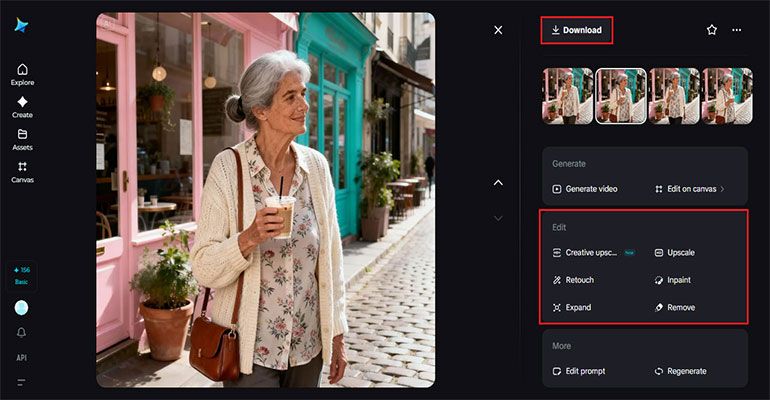
Dreamina facilitates this process by allowing teachers to have a single identity of the instructor and localize content to regions. The outcome is a personal, familiar and interesting educational content despite the location of students learning.
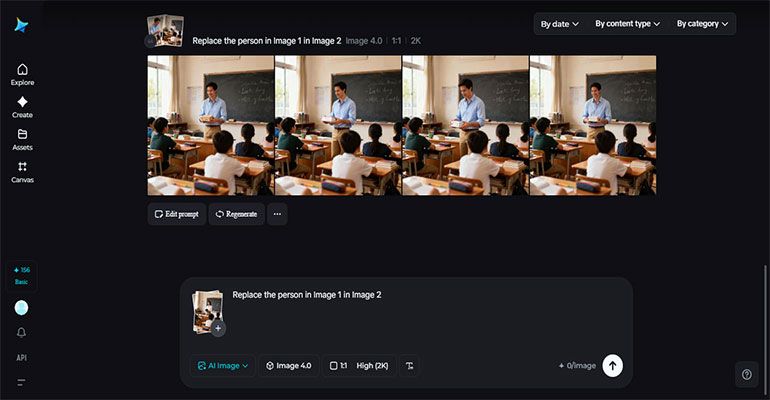
Why it is better to have the same instructor
1. A single speech, global classrooms
The process of recording lectures is time-consuming, energy demanding, and planning. It is not always realistic to repeat such effort on each language or region. Deepfake localization means that a single lecture is copied to make more than one.
Teachers are able to remake the script, voiceover, or even pacing without replacing the on-screen teacher. This tactic serves universities and web-based academies and training programs intending to access international students effectively.
2. Actual teaching applications already coming out
Deepfake localization is under use in various learning conditions:
- University lectures sent to other partner institutions around the world.
- Global team-based corporate training modules.
- Non profit educational material in multilingual adaptation.
The continuity and trust are fortified in both instances with the same presence of instructors.
3. Consistency in support of long-term courses
Visual consistency is particularly significant when learners pursue a course over weeks or months. The presence of the same instructor throughout the lessons strengthens the association and minimizes mental disruption. Deepfake AI is useful in assisting teachers to ensure that consistency when they are changing the content or adapting it to various viewers or mediums.
4. Findability is of interest in open learning spaces
Videos are also used to educate people in open platforms, which is also a point of contention among educational YouTube videos. PI Visual consistency enhances recognition and clicks. In other cases, teachers make use of a YouTube thumbnail maker to retain the same image of an instructor in the various language versions of a lecture. This repetition assists learners to understand what to trust immediately and the chance of interaction and accomplishment is more likely.
5. Openness creates trust to AI-aided education
There is a positive response by students when technology is employed to enhance access and not used to substitute teachers. Transparent communication regarding the role of AI in localization is a way to keep academic trust. Deepfake AI would be better placed as an extension of reach and leave the role of the instructor intact.
Maintaining educational images through time with Dreamina
Step 1: Change faces without sounding lackadaisical
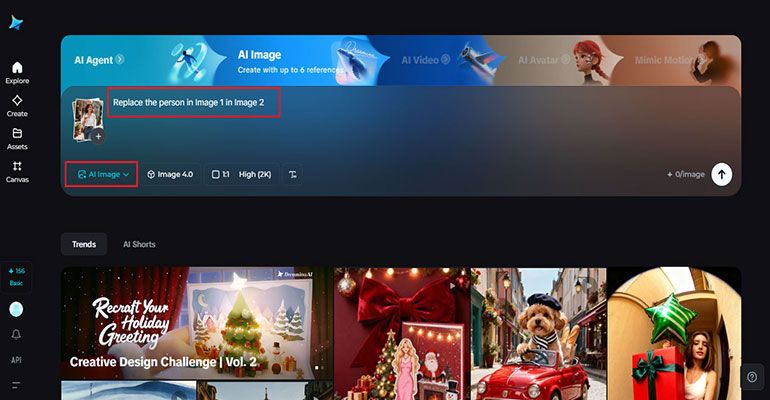
Step 2: Structure the presence in the classroom
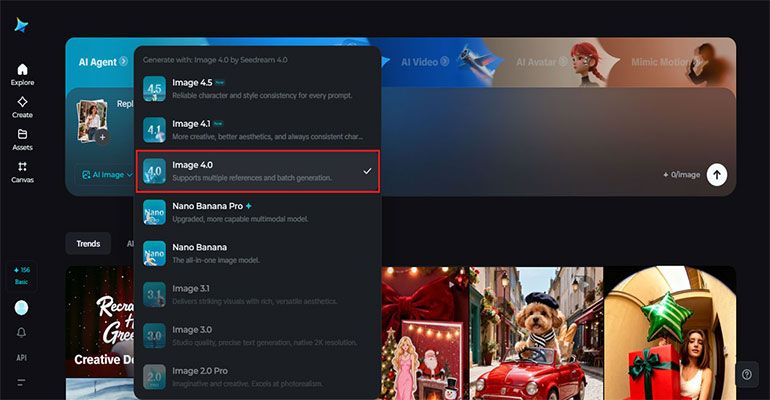
Step 3: Choose and save instructor
Empowering teachers to teach in the rest of the world
Conclusion