

Reliance Delivers First Fuel to Europe
Reliance Industries has partially released a jet fuel shipment in Italy, marking India's initial export to the area following the European Union's ban on goods made from Russian oil, which commenced on January 21, according to reports.
India ranks among the leading purchasers of Russian crude, and market participants are vigilantly observing its refined oil shipments to Europe for indicators of trade interruptions that might elevate prices for supplies from other sources.
The EU's prohibition on importing goods made from Russian oil is intended to limit the oil income that Moscow utilizes to finance the war in Ukraine.
Reliance runs two refineries at its Jamnagar facility - one focused on exports and the other on the local market. On November 20, it announced that it had ceased processing Russian crude at its export-focused facility.
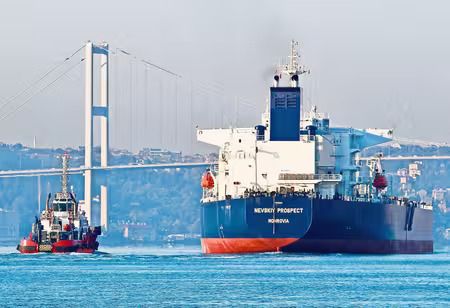
The Aframax tanker Liwa-V, leased by Reliance, discharged nearly 390,000 barrels of jet fuel, approximately half of its load, at the Fiumicino port close to Rome from February 1 to February 4, according to ship-tracking data from Kpler, Vortexa, and a trading source.
Also Read: A Brief History of India's Transformation Under PM Narendra Modi
Data indicated that the Liwa-V reached Italy approximately on January 8 and stayed outside the port for nearly three weeks. Reports indicated that the unloading of the cargo was initially set for January 24.
"The discharge has been postponed because of poor weather, and the ship has already unloaded a significant portion of cargo, now waiting outside the port to fully offload," according to reports.
Also Read: 5 Latest CHRO Appointments in Global Corporations
As Western countries have aimed to reduce their reliance on Russian energy due to the conflict in Ukraine, India has exploited Moscow's low-priced crude.
Also Read: How This Techie Turned Visa Struggles into Startup Success
Last year, India exported 4.1 million metric tons of jet fuel to Europe, almost three times the amount sent in 2021 prior to the conflict, according to Kpler data, and it accounted for nearly 15% of Europe's aviation fuel imports from 2022 to 2025.