

Illumina to Boost Genomic Science in India with New Bengaluru Facility
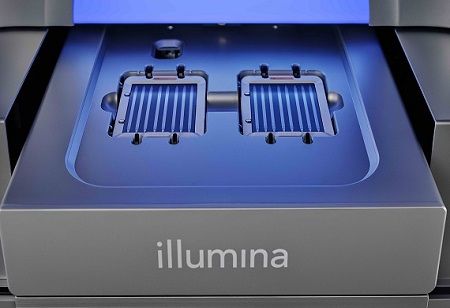 Illumina, a leading company in DNA sequencing and array-based technologies, is set to expand its global reach by establishing a new Global Capability Center (GCC) in Bengaluru. This move underscores the company's strategy to broaden its technology workforce to support a global customer base. Currently, Illumina operates in India through its channel partner, Premas Life Sciences.
Bengaluru joins an elite group of Illumina’s GCC locations, including Singapore, Cambridge, Eindhoven, Shanghai, Hayward, and San Diego. The company plans to hire over 100 technology professionals in India by 2024, with an additional 200 staff members expected to join by the end of 2025. These new positions will cover roles in software engineering, IT hardware and network engineering, and system analysis.
Recently, Illumina convened a meeting in Bengaluru with leading clinicians and scientists from academic institutions, government, and private sector labs to discuss the future of genomic science and its impact on healthcare. This development aligns with a broader trend in India, where major life sciences companies like Novartis, Roche, AstraZeneca, GSK, and Bristol Myers Squibb have set up global capability centers.
India’s rapid economic growth, projected to make it the world’s third-largest economy by 2030, combined with its ongoing public health challenges such as tuberculosis, HIV/AIDS, and malaria, makes it a strategic location for Illumina’s expansion. The company points out that up to 96 million people in India have rare diseases, and one in nine individuals is likely to develop cancer, highlighting the need for expanded genomic access to improve healthcare and address climate change-related health impacts.
“Genomics is essential for public health, from identifying emerging pathogens to transforming disease diagnosis and treatment”, said Gretchen Weightman, Illumina’s Senior Vice President for Asia Pacific, the Middle East, and Africa. She noted that Illumina has supported India’s genomic infrastructure for over a decade, and this expansion aligns with the company’s goal to accelerate its initiatives in the region.
In addition to the new GCC, Illumina recently launched a cutting-edge genomics lab in Bengaluru, known as the Illumina Solutions Center. This facility, equipped with advanced next-generation sequencing technologies, offers training and educational opportunities.
Founded in 1998, Illumina is a pioneer in gene sequencing technology, contributing significantly to precision medicine and diagnostic kits for diseases like tuberculosis and cancer. The company commands approximately 80% of the global market for genomic sequencing and reagents, competing with companies like Thermo Fisher Scientific and Agilent.
Despite facing challenges, including a failed takeover attempt by Roche in 2012, Illumina has rebounded with a renewed focus on simplifying gene sequencing, enhancing multiomic workflows, and using AI and software for large-scale data analysis.
Illumina's Global CFO, Ankur Dhingra, highlighted the company’s strategy for growth and profitability: “We have a solid plan to return to growth and increase our profitability. We are already implementing this strategy and strengthening our customer relationships in a challenging economic environment. We expect to see revenue growth accelerate over the next three years and deliver enhanced earnings expansion”, Dhingra stated.
With the new GCC and expanded operations in Bengaluru, Illumina aims to strengthen its position in genomic science and make significant contributions to healthcare and research in India.