

India’s 2025–26 Sugar Output May Hit 28 Million Tonnes: Experts
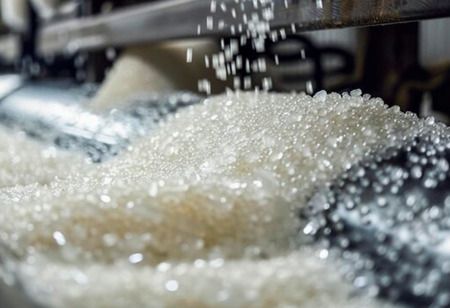
According to industry experts, the cessation of sugarcane crushing operations at 520 mills following the commencement of the season on October 1, 2025 may result in India's sugar production for 2025-26 hovering around 28 million tonnes.
As of April 15, production had already attained 27.5 million tonnes, with the closure of crushing expected to occur imminently at the remaining 19 operational mills, six of which are located in Uttar Pradesh.
The Indian Sugar and Bio-energy Manufacturers Association (ISMA) issued a statement on Thursday providing an update on sugar production.
Also Read: i-Hub Gujarat and SanchiConnect Launch TattvaX Cohort 2
According to the report, as of April 15, sugar production had reached 27.48 million metric tons, marking an eight percent increase compared to the same date last year when production stood at 25.5 million metric tons.
The statement also noted that currently, 19 factories are in operation, a decrease from the 38 mills that were operational at this time last year.
According to ISMA, a small number of mills located in Karnataka and Tamil Nadu are set to resume operations during the designated season starting in June or July. This development has the potential to contribute an additional 0.3 million tonnes to the total production output.
“As only 19 factories are operating, sugar production is unlikely to exceed 28 mt. As ethanol supplied to OMCs till March is reportedly 2.1 mt (in terms of sucrose diverted), it is unlikely to hit 3 mt for the season. But as export demand from Afghanistan, African countries and Sri Lanka is robust, sugar exports are likely to reach 1 mt,” says industry expert GK Sood.
The National Federation of Cooperative Sugar Factories Ltd (NFCSF) reported that sugar production in Maharashtra, the leading producer, grew by 23 percent to 9.92 million tonnes as of April 15, compared to 8.06 million tonnes last year.
Similarly, in Karnataka, the third largest producer, output rose by 17 percent to 4.71 million tonnes from 4.04 million tonnes. However, in Uttar Pradesh, the second largest sugar producer, production decreased by two percent this year to 8.92 million tonnes from 9.1 million tonnes. According to ISMA, there are currently six operational mills in Uttar Pradesh, a significant decrease from the 22 mills that were operational at this time last year.
Also Read: India-Zambia Talks on Critical Minerals Stall Over Mining Rights
Industry experts predict that this situation could lead to the cessation of sugarcane crushing within the next 7-10 days. As the sugar season approaches its end, the industry is advocating for an early reconsideration of the Minimum Selling Price (MSP), citing mounting production expenses and diminished profits at the factory level as factors putting pressure on mills' financial liquidity and contributing to outstanding cane payment delays.
“A timely MSP revision, aligned with current cost structures, is essential to restore financial viability, enable prompt farmer payments, and stabilise the market—without any additional fiscal burden on the government,” ISMA said.
ISMA emphasized the importance of increasing ethanol blending in response to escalating crude oil prices and changing geopolitical circumstances. They suggested that the government explore the possibility of progressing beyond E20 to incorporate higher blends like E22, E25, E27, and E85/E100, given that India currently has a production capacity of approximately 2,000 crore liters of ethanol, including from grain-based distilleries.
Also Read: IICT and VES to Strengthen India's VFX and AVGC-XR Ecosystem
“Further, the lack of revision in ethanol procurement prices for sugarcane-based feedstocks and lower allocation to the sector have created a mismatch between installed capacity and domestic offtake, leading to underutilised distillation capacity and inventory build-up,” it said seeking a timely price revision in future.
Additionally, ISMA called for an expedited introduction of flex-fuel vehicles (FFVs) and urged for GST rationalization to encourage their uptake. Based on the data from NFCSF, the average sugar recovery in India has increased significantly to 9.55 percent by April 15 of the current season, compared to 9.37 percent the previous year. To illustrate, a sugar mill with a 10 percent recovery rate would yield 10 kilograms of sugar from every 100 kilograms (1 quintal) of crushed sugarcane.