

India Surpasses China As Oil Demand Increases
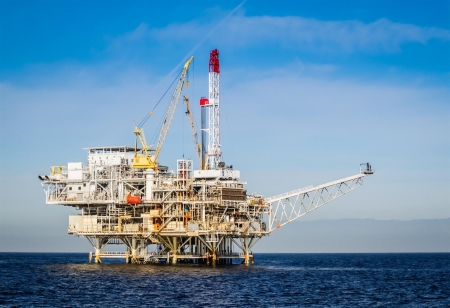 Oil demand is changing, with India set to overtake China as the most important driver of global growth — and possibly the last, as the world transitions to a greener future.
A growing population, which has likely already surpassed China's, will help to support that growth, as will consumption trends. India is expected to lag behind other regions in its transition away from traditional gasoline and diesel-fueled transportation, whereas China's adoption of electric vehicles is skyrocketing.
While India is unlikely to match China's massive oil network — the country's daily crude consumption is triple that of its neighbour — traders and producers looking to capitalise on slowing global demand growth will bet on the South Asian nation in the coming years.
“India was always going to exceed China in a matter of time in terms of being the global demand growth driver, mainly due to demographic factors like population growth,” said Parsley Ong, the head of Asia energy and chemicals research at JPMorgan Chase & Co. in Hong Kong.
China's economic awakening at the turn of the century transformed the country into a commodity consumer powerhouse, consuming everything from crude oil to metals and grains, providing a boost to resource-rich countries around the world. The end of the oil boom is near, with top refiner China National Petroleum Corp. recently forecasting a peak in Chinese oil consumption around 2030.
The shift in demand growth leader appears to be getting closer.
Citigroup Inc.'s head of commodities research, Ed Morse, believes China's rebound from years of Covid restrictions will likely be the country's "last hurrah" for demand. According to Viktor Katona, the lead crude analyst at data intelligence firm Kpler, India's growth will surpass China's by 2026. He also anticipates a peak in Indian oil demand.
“China’s role as a global oil demand growth engine is fading fast,” said Emma Richards, a senior analyst at Fitch Solutions Ltd. in London. Over the next decade, China’s share of total emerging market oil demand growth will slip to 15%, from almost 50%, while India’s share will double to 24%, she said.
Following the invasion of Ukraine more than a year ago, India is already playing a more prominent role in the oil market. The South Asian country has emerged as a major consumer of Russian crude, converting the OPEC+ producer's oil into fuels that are frequently shipped to other regions such as Europe and the United States.
It is not the first time that India has been mentioned as the new centre of oil demand growth, with similar predictions made in the middle of the previous decade. If it happens this time, the transition to the top spot will most likely be difficult and time-consuming.
State-owned refineries have been slow to modernise their operations, preferring to use the old and inefficient method of issuing tenders for spot purchases of oil, rather than negotiating and signing deals directly with counter-parties.
Nonetheless, Vandana Hari, the founder of Vanda Insights in Singapore, believes that India's fast-growing crude appetite will position the South Asian country as an appealing opportunity for overseas traders and producers in the long run.
India has lofty ambitions to transition its industries, including transportation, to greener energy options, but the country is lagging behind other major countries, implying that its reliance on fossil fuels will likely last much longer.
In contrast, China's adoption of electric vehicles has been rapid, which is a worrying sign for long-term gasoline demand in the world's largest car market. EV sales in China are expected to nearly double to 6.1 million units by 2022, compared to 48,000 vehicles in India during the same period.