

MeitY releases proposed changes to IT rules that it yanked last week
 The centre has republished a draft of proposed changes to the country’s technology and social media regulations with an aim to providing “more effective grievance redressal,” and to also plug “infirmities and gaps’ in the existing regulations, it said in a communique on Monday evening.
The Ministry of Electronics and Information Technology ( Meity) has sought comments from the public within 30 days from publishing of the draft and said that a formal public consultation on the subject would be arranged by mid-June.
“The IT Rules, 2021 provide for a robust grievance redressal mechanism. However, there have been many instances that grievance officers of intermediaries either do not address the grievances satisfactorily and/or fairly. In such a scenario, the need for an appellate forum has been proposed to protect the rights and interests of users,” the ministry said.
The revised notification, which comes a week after a similar draft had been pulled down, will address challenges thrown up by the expanding digital ecosystem as well as gaps in the current regulations especially, “vis-a-vis Big Tech platform,” it said.
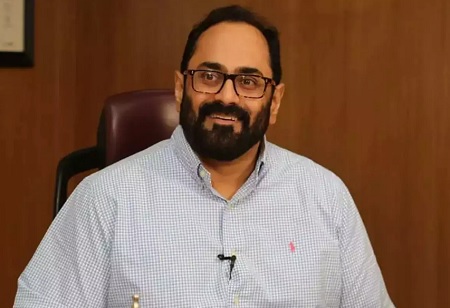
“Putting Interests of Digital Nagriks First. New amended IT (Intermediary) rules are out for Public consultn - more effectve grievance addressal n ensurng constitutional rights of ctzns r respected. No impact on Indian Startups,” Minister of State for Electronics and IT Rajeev Chandrasekhar said in a tweet, commenting on the latest draft.
The proposed amendments, the IT ministry said, will provide additional avenues for grievance redressal apart from courts, it will also frame new accountability standards for SSMIs (significant social media intermediaries), so as to ensure constitutional rights of Indian citizens are protected.
“This has been made necessary because a number of Intermediaries have acted in violation of constitutional rights of Indian citizens and keeping in mind that Government is the guarantor of such rights of all our citizens,” it noted.
Further, Meity aims to make sure that revised rules do not “impact early stage or growth stage Indian companies or startups.”
Privacy activists are of the view that the latest revisions underline “the objective of ensuring greater accountability from platforms and adequate protection of users interests.”
“This is reflective from the addition of two new sub clauses to Rule 3 (1), directing all intermediaries to ensure continuous access to their services and respecting the constitutional rights of the citizenry. The additional mandates under Rule 3 (1) (b) to inform users about the terms and conditions and policies of the platforms is also notable to ensure greater transparency in platform’s practices," said Kazim Rizvi, co-founder of Delhi based think-tank The Dialogue.
They however raised concerns with content moderation timelines and said that "necessary checks and balances on the powers and functions of the Appellate Committee" are needed.
Similar revisions
In its draft proposal last week, which was later retracted last Thursday, Meity had proposed the establishment of one or more grievance appellate committees for social media users, noting that such oversight would “provide an alternative” to users who do not agree with the decisions of the in-house grievance officers of an internet intermediary. This clause remains unchanged in the latest notification released on Monday night.
The suggestion that the grievance appellate committee “endeavor to address the user’s appeal within a period of 30 days” also remains in the latest version.
However, Monday’s iteration, grants intermediaries a breather in the form of a safeguard which says that intermediaries may exercise “due diligence” to prevent misuse of their grievance redressal mechanism when any user submits “inappropriate, trivial or inauthentic complaint”.