

Neville Tata Set to Join Sir Ratan Tata Trust
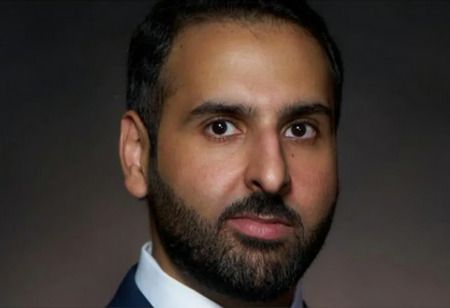
Tata Trusts is getting ready to appoint Neville Tata, the son of Tata Trusts chairman Noel Tata, to the board of the Sir Ratan Tata Trust at a meeting planned for later this week. This action is expected to strengthen Noel Tata's control over the influential philanthropic organizations that oversee the Tata group, and it highlights a shift in generations happening within the conglomerate.
Neville Tata, aged 32, was appointed to the board of the Sir Dorabji Tata Trust in November last year. If he joins the Sir Ratan Tata Trust, he could become one of the key figures in the Tata ecosystem at a young age, potentially positioning him for a leadership role within the family-led group in the future.
Also Read: Panasonic Chairman Manish Sharma Steps Down
The Sir Dorabji Tata Trust and the Sir Ratan Tata Trust, collectively, have a majority stake of over 51 percent in Tata Sons, which is the main holding company of the $150 billion Tata group.
The trustees of these trusts have a crucial influence on the governance of the group, so any changes in the board of trustees could have important consequences for Tata Sons and its subsidiary companies.
Neville Tata is currently the head of Star Bazaar, Trent's hypermarket business which is a part of the Tata group's retail division. In addition to his position at Trent, he also serves as a trustee on the boards of the JRD Tata Trust, Tata Social Welfare Trust, and RD Tata Trust. The increase in his roles within the trust structure is viewed as part of a larger initiative to involve the younger generation of the Tata family in important governance positions. The suggestion for induction is being made during a period of transition within Tata Trusts after the passing of former chairman Ratan Tata in October 2024.
Also Read: Rashmil Dheer, Nupur Kothari Join Bold & Beyond
Following this event, Noel Tata took over as chairman of Tata Trusts and has solidified his position amidst various governance modifications and internal conflicts. One particular development concerns the term of Pramit Jhaveri, a trustee of the Sir Dorabji Tata Trust, whose current term is set to expire on February 11. Jhaveri was added to the Tata Trusts board in February 2020, under Ratan Tata's leadership.
Together with Mehli Mistry, Darius Khambata, and Jehangir HC Jehangir, he belonged to a group that objected to the reappointment of Vijay Singh to the Tata Sons board in September of the previous year, revealing significant disagreements among trustees during the change in leadership.
After the passing of Ratan Tata, Tata Trusts implemented a new regulation requiring the yearly reappointment of nominee directors who are over the age of 75.
This shift in policy changed the dynamics within the boardroom and resulted in several controversial incidents, such as the appointment of Mehli Mistry to the Tata Sons board, a decision that was opposed by Noel Tata and Venu Srinivasan. Additionally, Vijay Singh, a former defense secretary and a trusted associate of Ratan Tata, eventually left his position. These occurrences reportedly caught the government's attention, prompting their involvement.
Also Read: UK, EFTA Pacts to Bring $100 Billion Investments: Piyush Goyal
High-ranking individuals with knowledge of the situation revealed that the potential departure of certain trustees who have served for a long time would signify the conclusion of a significant period for Tata Trusts. Jehangir HC Jehangir, a trustee for life at the Sir Ratan Tata Trust, was perceived as not very involved in resolving internal conflicts that occurred last year, as reported by individuals familiar with the conversations.
In the meantime, the tenure of Darius Khambata, another influential trustee, is anticipated to be up for extension later this year. Regulatory changes have played a part in shaping the governance landscape. Last year in September, the Maharashtra Public Trusts (Amendment) Ordinance, 2025 (Ord 7 of 2025) was introduced, imposing limits on the appointment of perpetual or lifetime trustees. Many view this ordinance as a reaction to Tata Trusts' choice to turn current trustees into perpetual trustees following Ratan Tata's passing, a decision that was closely examined.