

New Zealand to Build LNG Import Facility to Boost Energy Security
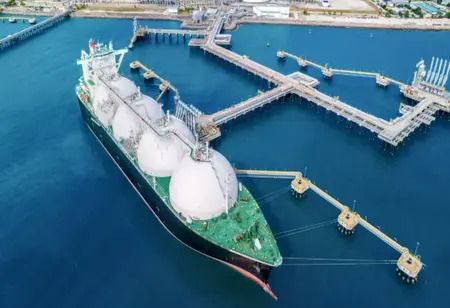
New Zealand has selected contractors for constructing a liquefied natural gas (LNG) import terminal to enhance energy security, ensure a dependable backup power supply, and promote economic development, according to Energy Minister Simon Watts.
The government plans to finalize a contract by mid-year for an import terminal in Taranaki, located on the North Island, which will be prepared to handle LNG by 2027 or early 2028.
The model enables LNG to be imported in substantial quantities and solely as required, reducing vulnerability to international gas prices.
Despite a surge in renewable electricity production, primarily from hydropower, reduced gas supplies have made New Zealand's power sector susceptible to vulnerabilities during droughts when lake and dam water levels deplete, Watts mentioned.
"The outcome is increased dependence on coal and diesel, leading to higher electricity costs, which adds financial strain on households and reduces business competitiveness," Watts states.
Also Read: A Brief History of India's Transformation Under PM Narendra Modi
The centre-right administration elected in 2023 has aimed to broaden energy sources. In 2025, legislation was enacted to restart offshore oil and gas exploration, reversing a ban established by the prior centre-left Labour-led administration.
Also Read: Virat Kohli: A Wrogn Way to Lead Fashion Forward
Watts stated that access to LNG could provide economic advantages projected at NZ$1.2 billion ($721.6 million) each year by 2035 and assist in safeguarding about 2,000 jobs from the effects of increasing energy costs and gas shortages.
Also Read: How This Techie Turned Visa Struggles into Startup Success
A government fact sheet offers additional information regarding expenses but indicates that the LNG cost consists of two components: the expenses for establishing and maintaining the LNG infrastructure, and costs related specifically to importing LNG into the nation.