

Separator

SEBI Eases Listing Rules, Smoothens LIC's IPO Path
Separator
SEBI Eases Listing Rules, Smoothens LIC's IPO Path

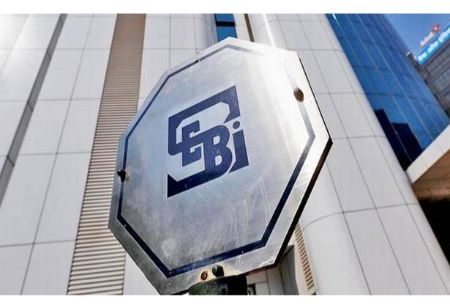
The Securities and Exchange Board of India (SEBI) has eased the listing norms for large companies. This will apparently pave the way for LIC’s mega float IPO. This will relax the minimum offer and public holding norms and will provide the Centre more time to comply with rules.

The regulator said large companies can now divest a minimum five percent in the IPO, instead of 10 percent. SEBI has further increased the time from three years to five years, to raise the public float to 25 percent.

Experts believe that the move would encourage large firms to opt for listing.

Sale of LIC stake has been complicated for the government due to its sheer size. A mere 10 percent stake in the company is estimated to be at least Rs.1 trillion, which will be very tough for the market to absorb, three people directly aware of the insurer’s IPO plans said.

SEBI said in a release, “For issuers with post-issue market capital exceeding Rs.1 trillion, the requirement of the minimum public float will be reduced from 10 percent of post-issue market capital (existing provision) to Rs.10,000 crore, plus five percent of the incremental amount beyond Rs.1 trillion. These issuers shall be required to achieve at least 10 percent public shareholding in two years and at least 25 percent public shareholding within five years from the date of listing”.

SEBI’s relaxation’s biggest beneficiary will be LIC that is currently undergoing an evaluation process by actuarial firms.

This decision was taken on Wednesday’s SEBI board meeting, which was also attended by Finance Minister Nirmala Sitharaman and Minister of State (Finance and Corporate Affairs), Anurag Thakur. FM Sitharaman stressed the need for the timely implementation of the capital market-related Budget announcements.

The government is looking to launch LIC’s IPO in the next financial year.

In Print


Most Viewed

From 'Volume' to 'Value': India Inc's Mantra to Capture the Global Pharmaceutical Market A Fight Back from Arabian Peninsula When will The Tech Industry’s Lay-off Season End? The Story of a Broken Trust Technology Key To Global Travel Recovery What To Keep In Mind When Selecting The Right Air Compressor For Replacement? The Best Way to Recover from Ransomware Attacks How Tensions Grew Worse between Elon Musk and Donald Trump New Markets, New Brands: Tailoring Success for Different Places Empowered Leadership in a Changing Legal World Four Key Steps For Healthcare Providers To Combat Ransomware Turning Vision into Value: How I Built Purposeful Digital Ecosystems in the UK Dave Thomas: A Role Model for Aspiring Entrepreneurs, Philanthropists Digital Analytics Products: How Organizations Choose Them Kelly Ortberg: The New Boeing CEO Who is Already on the Headlines India’s Military Alacrity for Modern Threats Reshma Saujani: Reshaping Social Attitudes Around Gender and Tech India is Manifesting Leadership in Drone Technology 5 Greatest Role Models in the Manufacturing Industry Creating a Stronger Ecosystem by Fixing the Nuts & Bolts of the Economy Microsoft for India: Making India for Future Ready India's UPI Launch in France Opens Gateway to Global Fintech Power Tim Cook Nears Retirement, Who Will Take Over Apple's Throne? Soil Based Microbial Fuel Cells Could Protect the Environment from Flammable Chemicals The mantra of Academic Collaboration Echoes on this Teachers’ Day Indian semiconductor Boom Has Abundant Room for SME-preneurs Indian Healthcare Ecosystem is Hosting a Multidimensional Paradigm Shift Being a True Republic: You Got to Love this New, Powerful India Qatar World Cup 2022 Might Be Over, But Arabian Peninsula’s Sports Dream is Just Beginning Reimagining the UK–India Partnership in a Changing Global Order These Schemes Will Facilitate Women Entrepreneurs Decarbonization & Sustainable Future: Technology & What it can Do?


🍪 Do you like Cookies?

We use cookies to ensure you get the best experience. Read more…