

Indian Railways Lucky Yatra to Curb Ticketless Travel
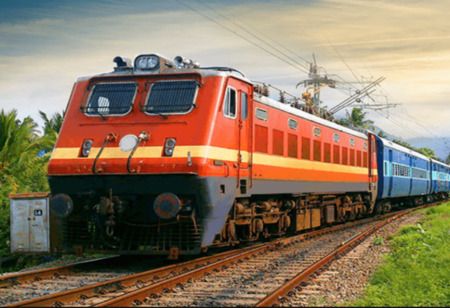
Every day, Indian Railways caters to an incredible 24 million passengers, making it among the most heavily utilized transportation networks globally. Nonetheless, this immense operation faces several challenges, with ticketless travel being one of the most enduring issues that results in losses of hundreds of millions of dollars each year. Rather than resorting to harsher measures, Indian Railways in Mumbai has adopted a more creative approach, which can only be described as genius.
Birth of Lucky Yatra
India is a nation that flourishes on optimism, and arguably nothing represents that optimism better than the country’s passion for lotteries. Indians invest more than $30 billion annually on lottery tickets, eagerly pursuing the aspiration of a transformative victory. Acknowledging this cultural perspective, Indian Railways partnered with FCB India to develop an innovative behavioral initiative—Lucky Yatra. The idea is brilliantly straightforward yet impactful. Now, every train ticket serves as a lottery ticket, allowing travelers the chance to win cash rewards simply by buying a valid fare. Rather than viewing ticket purchasing as a responsibility or burden, Lucky Yatra reframes it as an opportunity—a possible jackpot.
Changing Behaviour Through Creative Commerce
Lucky Yatra showcases a brilliant blend of innovative advertising and social entrepreneurship. Instead of penalizing fare evaders, the initiative incentivizes those who comply with the rules. The implementation of the Lucky Yatra scheme is in line with wider efforts to boost passenger compliance and minimize revenue losses caused by travel without tickets. By providing concrete incentives, the scheme seeks to modify commuter habits and encourage a culture of legal travel. Nevertheless, the success of these initiatives relies heavily on the engagement of passengers and the efficacy of awareness initiatives. Central Railway and its collaborators need to amplify their efforts to inform commuters about the advantages of the scheme and the significance of traveling with valid tickets.
Rakesh Menon, Chief Creative Officer at FCB Interface (a division of FCB India) says, “By shifting the focus from punishment to opportunity, Lucky Yatra is changing passengers’ perceptions of train tickets. They are no longer merely a fare—it’s an opportunity to win something substantial. This clever yet impactful re-framing utilizes principles of behavioral economics, encouraging choices via positive reinforcement rather than deterrents. It’s a tactic that is not only effective advertising but also sound psychology.”
Turning Tickets into Treasure
Each train ticket sold in the Mumbai division of Indian Railways features a distinct identification number. This number qualifies the passenger for a daily lottery draw, offering cash prizes to the winners. The more frequently individuals purchase valid tickets, the greater their chances of winning.
Key Features of the Lucky Yatra Campaign:
- Effortless Entry: Your valid ticket serves as your entry into the lottery without any additional actions required.
- Daily Rewards: Regular draws promote consistent involvement and thrill.
- Widespread Targeting: Aimed at reaching millions of daily commuters in Mumbai.
The clever incorporation of a lottery system into daily commuting not only promotes adherence but also creates excitement and positive sentiment in the community.
The Campaign Launch: OOH, Digital, and Ground Activation
In order to make Lucky Yatra impactful for the public, FCB India implemented a comprehensive awareness campaign that addressed all key points during the commuter experience. The messaging was striking, relevant, and ever-present.
Campaign Highlights:
- Contextual Out-of-Home (OOH) advertisements are located at train stations and platforms.
- Radio jingles and digital messages that notified and reminded travelers.
- Visual advertisements displayed on the trains themselves, ensuring the campaign couldn't be overlooked.
- Live announcements at the station transformed the everyday commute into an exciting experience.
This comprehensive approach ensured that the message didn’t just reach people—it stayed with them.
A Win-Win Strategy for All
The charm of Lucky Yatra is in its straightforwardness and effectiveness. For travelers, it offers an enjoyable and rewarding addition to their routine journeys. For Indian Railways, it presents an innovative remedy to a persistent issue. And for advertisers, it's an exemplary instance of harnessing creativity to create real impact.
Advantages of the Lucky Yatra Initiative:
- Minimized fare evasion without any confrontation.
- Enhanced public perception of Indian Railways.
- Rise in ticket sales, leading to increased operational income.
- Favorable public relations and brand image for both Indian Railways and FCB India.
This campaign also exemplifies how creative marketing campaigns can go beyond product promotion and solve real-world problems, making it a standout in the global advertising landscape.
Also Read: The Pink City Leaders Boosting Make in India
Creativity in Public Service
In a time when marketing often feels overly commercialized, Lucky Yatra offers a refreshing perspective. It demonstrates that the most effective creative campaigns do more than just sell—they provide solutions. By connecting with a cultural insight and resonating with national behavior, Indian Railways and FCB India have not only launched a thriving campaign but also possibly established a model for other public sector efforts. In the realm of creative advertising, this is precisely the kind of innovation that distinguishes itself, not merely for its ingenuity, but for its empathy. Lucky Yatra goes beyond selling an aspiration; it honors honesty. In doing so, it highlights the significant possibilities that arise when marketing is driven by purpose.