

From People Strategy to Business Strategy: HR’s New Mandate
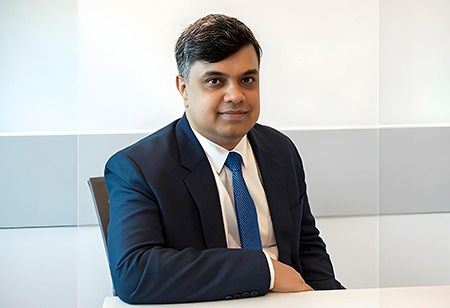
Surajit Bit is a seasoned leader with over two decades of experience in the B2B engagement industry, driving customer-centric initiatives across India, APAC, and MENA. He leads strategic initiatives, partnerships, and engagement platforms, delivering operational excellence while advancing people practices and organisational growth.
In the following article, Surajit Bit explores HR’s shift from being an operational function to a strategic force driving workforce capability, culture and long-term business growth. Read the complete article for deeper insights.
Not very long ago, conversations around HR followed a familiar script. The focus was largely on recruitment, payroll, policies, performance cycles and employee engagement. These functions were important, but they were mostly viewed as operational -- essential for running the organisation, yet separate from core business strategy.
That distinction is fading rapidly.
Today, an organisation’s ability to grow, innovate and compete is closely tied to how effectively it manages its people. Across industries, leaders are recognising that the real differentiator is not just technology, capital or infrastructure, but the capability and adaptability of the workforce. When that becomes clear, people strategy stops being a parallel conversation and becomes central to business strategy.
This shift has significantly redefined the role of HR leaders.
HR today is not just about managing employees. It is about helping organisations prepare for the future of work. Whether a company is expanding into new markets, adopting automation or rethinking how teams collaborate, every strategic decision carries a people dimension. The critical question is no longer simply about headcount, but whether the organisation has the right skills, leadership and mindset to achieve its goals.
Also Read: Best 5 Management Consulting Firms in India Driving Business Growth
The urgency behind this shift is driven largely by the pace of change in the workplace. Artificial intelligence, automation and digital technologies are transforming industries faster than many organisations anticipated. Roles are evolving, new capabilities are emerging and traditional career paths are being reshaped.
Organisations that respond early to these changes tend to involve HR leaders closely in strategic planning. Identifying future skill requirements, investing in reskilling programs and preparing employees for new ways of working are now essential elements of business readiness.
In this context, HR’s influence is also expanding into organisational culture. Culture is no longer defined by mission statements or values displayed on office walls. Employees experience culture through everyday decisions -- how fairly performance is assessed, how transparently leaders communicate and how organisations respond during challenging times.
Designing systems that reinforce trust, fairness and accountability is becoming a key responsibility for HR. These systems shape how employees experience their workplace and directly influence engagement, collaboration and retention.
Also Read: Policy to Progress: India’s Semiconductor Ecosystem Taking Shape
HR leadership is also increasingly connected to broader organisational transformations. Digital transformation, for instance, is not just about implementing technology. It requires helping employees adapt to new tools, addressing concerns around automation and ensuring teams have the skills needed to work differently.
Similarly, as organisations expand across markets, building diverse teams and aligning global strategies with local realities becomes critical -- another area where HR leaders play an important role.
As a result, the expectations from HR leadership are evolving. Today’s HR leaders are expected to understand business priorities, interpret workforce data and contribute actively to strategic discussions.
This reflects a deeper shift in how organisations define success. Companies that thrive in the coming years will not do so simply because they adopt new technologies. They will succeed because they build organisations where people can continuously learn, adapt and grow.
And in many ways, that responsibility sits with HR.
The future of HR is not about administering policies or managing processes. It is about shaping the human capability that drives business performance. When HR leaders are integrated into strategic decision-making, organisations are better equipped to navigate change and sustain long-term growth.
Also Read: Fuel Supply to LPG: PM Modi Addresses LS Amid West Asia Conflict
In today’s organisations, people strategy and business strategy are no longer separate paths. They are part of the same journey -- and HR leaders are increasingly helping lead the way.