

Technology Making Travelling in Public Transportation Smooth
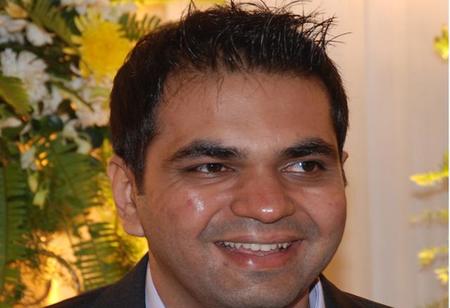
Brijraj Vaghani, Founder & CEO, Ridlr
However, public transport comes with its own challenges, including complex tariffs, complicated ticket vending machines, and difficulties accessing useful information. This is where technology is a game changer. Technology plays an important role by predicting demand and supply data to feed into transportation planning. Technology can also help in improving reliability of public transportation network by providing visibility on arrivals/departures/route information for travellers for hassle-free journey. Multi modal fare integration can help citizens to use multiple modal options without hassle of purchasing different tickets. Intelligent traffic management can aid efficient traffic flow.
Technology provides the public agencies the capability to get real time data and plan routing and services dynamically – for example increase or reduce services basis hourly demands or traffic conditions. Even fleet management and tracking becomes easier with the use of technology.
For the consumer, as they are moving to the mobile as their primary life management tool, technology enables all their travel to be integrated in the mobile - from looking up information to buying tickets or passes.
The mobile phone virtually becomes their pass for any travel and enables the user to better manage the hassles of commuting. The possible advantages of going on mobile are avoidance of queue, cashless transactions and virtual tokens.
Multitude of technology comes into play to enable all of this. IoT enables communication between mobile app and legacy devices and GPS for tracking real time location. WiFi, NFC, Bluetooth protocols are widely used to enable communication as they are well established on mobile devices. These protocols allow seamless data flow between devices without very complex programming.
GPS trackers are embedded in the different modes of travel to provide real time location feeds that can be used to plot their location on maps and give users the ability to plan their travel more efficiently. Algorithms built on top of this data which take into consideration past data, time of day, live data feeds as available help extrapolate traffic conditions to a very degree of certainty. GPS data from mobile phones also add to the richness of the information.
QR code for ticketing and payments is another technology that has developed and found traction as it is cheap to generate and most smartphones can read the QR codes using the built in cameras. This technology can be used on tolls, metros and trains.
Surrounding all of the different data streams that come into play are data analysis and science to make sense of it all. Using machine learning and AI tools, the data collected can be deciphered to understand user behaviour and travel patterns, thus enabling agencies to make better decisions around routing, fares and fleet management.
Behaviour change, and in particular encouraging the use of more sustainable travel modes, is all about changing the mind-set.
Technology can also help in improving reliability of public transportation network by providing visibility on arrivals/departures/route information for travellers for hassle-free journey
Multitude of technology comes into play to enable all of this. IoT enables communication between mobile app and legacy devices and GPS for tracking real time location. WiFi, NFC, Bluetooth protocols are widely used to enable communication as they are well established on mobile devices. These protocols allow seamless data flow between devices without very complex programming.
GPS trackers are embedded in the different modes of travel to provide real time location feeds that can be used to plot their location on maps and give users the ability to plan their travel more efficiently. Algorithms built on top of this data which take into consideration past data, time of day, live data feeds as available help extrapolate traffic conditions to a very degree of certainty. GPS data from mobile phones also add to the richness of the information.
QR code for ticketing and payments is another technology that has developed and found traction as it is cheap to generate and most smartphones can read the QR codes using the built in cameras. This technology can be used on tolls, metros and trains.
Surrounding all of the different data streams that come into play are data analysis and science to make sense of it all. Using machine learning and AI tools, the data collected can be deciphered to understand user behaviour and travel patterns, thus enabling agencies to make better decisions around routing, fares and fleet management.
Behaviour change, and in particular encouraging the use of more sustainable travel modes, is all about changing the mind-set.