

Comparison of E-filing of Income Tax Return with Traditional Methods of Filing
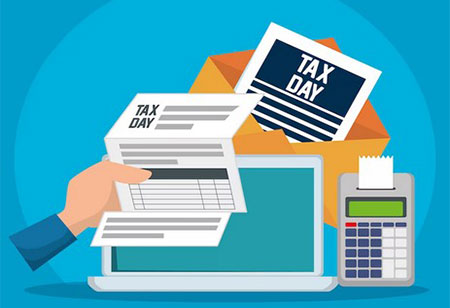 It is essential for both individuals and businesses to fulfill their tax obligations by filing their income tax returns. In previous years, people used to file their tax returns by filling out paper forms and sending them through mail or by visiting tax offices in person. The emergence of technology has paved the way for electronic filing, also known as e-filing, which has become a con- venient and efficient alternative. This article com- pares the e-filing of income tax return with the traditional methods of filing.
Convenience and Accessibility
E-filing of income tax return offers a great deal of convenience and accessibility, making it one of its most significant benefits. Traditional paper-based filing system entails enduring lengthy lines and completing tedious paperwork. In contrast, electronic filing enables taxpayers to effortlessly finalize and send their tax returns via the Internet without having to leave their homes or workplaces. You can access the e-filing system round the clock, which means you don't have to follow any particular office timings. The e-filing portal is available 24/7, allowing taxpayers to submit their returns at any time conveniently. This makes it a highly accessible option for taxpayers.
Time Efficiency
E-filing stands out from traditional filing methods due to its remarkable time efficiency. Prior to the advent of electronic filing, taxpayers had a tendency to encounter mistakes and frequently caused setbacks. On the other hand, electronic filing provides automatic computations and integrated error-detection systems, minimizing the likelihood of errors and guaranteeing precision. By automating the calculation process, the digital system can efficiently determine tax liabilities, deductions, and credits, which ultimately saves taxpayers a considerable amount of time and effort.
Accuracy and Reduced Errors
Filing income tax returns with accuracy is of utmost importance. The traditional approach to filing is heavily dependent on manual data entry, which elevates the chances of errors. Manual filing often leads to issues such as illegible handwriting, miscalculations, and missed entries. On the other hand, e-filing of income tax return reduces the occurrence of such errors by incorporating validation checks within the system. By detecting common errors like incomplete fields, mismatched data, or invalid entries, the system guarantees the accuracy of the submitted information.
Enhanced Security
E-filing is often accompanied by worries about the safety of confidential taxpayer data. Despite this, electronic filing systems utilize sophisticated security measures to safeguard personal and financial information. Encryption methods are employed to safeguard the transmission of data, thwarting any unauthorized entry while the transfer is underway. Furthermore, implementing secure authentication measures, such as distinct login credentials and one-time passwords, can guarantee that only authorized personnel have the ability to access and file tax returns.
Access to Past Returns and Tax Information
The e-filing system securely stores taxpayers' information once they file their returns electronically. This feature allows people to conveniently retrieve their previous tax returns and related information without the need to sift through hard copies or go through the process of requesting duplicates from tax agencies. Being able to access and examine previous tax returns can prove to be quite beneficial for a multitude of reasons, including but not limited to applying for loans, devising financial strategies, or conducting audits. The electronic filing system offers taxpayers a well-structured and centralized platform to manage their tax records effectively.
Environmental Impact
It is important to take into account the effect that tax filing methods have on the environment. The conventional method of filing documents on paper requires a substantial amount of paper usage, which leads to deforestation and carbon emissions due to the production and transportation of paper. In contrast, opting for e-filing presents a more environmentally friendly option by cutting down on paper consumption and eliminating the necessity for physical transportation. Taxpayers can make a significant contribution to environmental conservation by adopting e-filing, which helps to reduce their carbon footprint.
Support and Guidance
Taxpayers can receive support and guidance through both electronic and traditional filing methods. Traditional approaches typically entail seeking in-person assistance at tax offices, where taxpayers can receive guidance from tax officials or consultants. Nonetheless, the accessibility of such assistance might be restricted by the operating hours of the office or the distance from tax offices. On the contrary, e-filing offers extensive assistance through the Internet. E-filing platforms typically offer a range of helpful resources, such as FAQs and live chat or helpline support, to guide taxpayers through the filing process. Moreover, electronic filing software frequently offers cues and clarifications to assist people in comprehending the prerequisites and accomplishing their tax returns with precision.
Conclusion
Opting for e-filing when it comes to income tax returns presents numerous benefits in comparison to conventional filing methods. E-filing is a popular choice among taxpayers due to its convenience, accessibility, and time-saving benefits. In addition, the practice of e-filing aids in the preservation of the environment by minimizing paper consumption and carbon emissions. In general, the transition to electronic filing is a noteworthy advancement in streamlining the process of filing taxes and improving the overall experience for taxpayers.