

First Time Home Renovation Checklist What to Fix and What to Skip
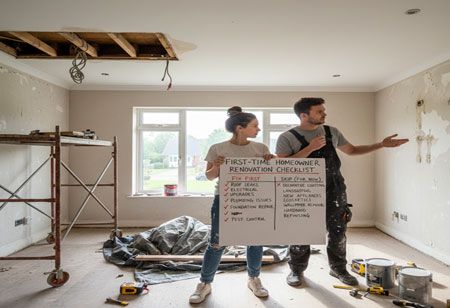 When you buy your first home, the list of things you want to change shows up almost immediately. Some of it is practical, like that outlet that sparks or the bathroom tap that never quite shuts off properly. Some of it is emotional. You want the place to feel like yours, and fast.
The mistake most first time homeowners make is starting with what they can see instead of what they cannot. Paint colours feel urgent. Cabinets feel dated. Flooring feels wrong. But houses have priorities, even if they do not announce them clearly.
If there is one thing worth remembering, it is this. The order in which you renovate matters more than how much you renovate.
Safety Comes First, Even If It Is Not Exciting
No one enjoys spending money on things they cannot show off. Electrical repairs, plumbing fixes, or roof work rarely make it to social media. But these are the things that protect everything else you plan to do later.
Electrical issues are easy to underestimate. A switch that works some times. A socket that feels warm. A breaker that trips more often than it should. These things tend to get ignored because the house still functions. That is usually when problems grow quietly.
Plumbing behaves the same way. A small leak under a sink does not feel urgent until cabinets start swelling or mould appears. Water damage is patient and expensive. Fixing it early saves far more than it costs.
Roofs and foundations fall into the same category. If water is getting in, or cracks are spreading, cosmetic updates lose their meaning. Paint does not matter if the structure underneath is compromised.
Handling these issues first gives you something far more valuable than a nicer looking room. It gives you peace of mind. You sleep better knowing your home is not working against you, especially when even everyday comforts like a well-supported double bed rest on a stable, problem-free space.
Major Systems Shape Daily Comfort More Than Design
Once the house is safe, the next thing to think about is how it functions day to day. Heating, cooling, hot water, and insulation rarely feel urgent until they stop working properly.
Many first time homeowners move in and assume inconsistent temperatures are normal. One room is always colder. Another feels stuffy. Energy bills are higher than expected. These are signs that systems need attention.
HVAC systems do not have to fail completely to cause problems. An aging unit that struggles quietly costs more every month and never feels comfortable. The same goes for water heaters that take too long to heat or run out too quickly.
Insulation is often invisible but incredibly important. Poor insulation makes winters harsher, summers uncomfortable, and energy bills frustrating. Fixing it early improves everyday living far more than any decorative change.
These fixes should come before cosmetic work for a simple reason. You do not want to open walls or ceilings after spending money on finishes.
Energy Efficiency Pays You Back Over Time
Some upgrades do not feel urgent but quietly make life easier month after month. Energy efficiency improvements fall into this category.
Small air leaks around doors and windows add up. Sealing them improves comfort almost immediately. Rooms feel less drafty. Heating and cooling feel more consistent.
Lighting and appliances are another area where early changes make sense. Energy efficient options reduce monthly costs without changing how you live. They are not glamorous purchases, but they are practical ones.
Many homeowners overlook rebates and incentives because they seem complicated. Taking time to research them can significantly reduce costs. These programs are easier to use early in ownership before budgets are stretched thin by other projects.
Kitchens and Bathrooms Matter, But Not in the Way You Think
Kitchens and bathrooms attract attention because they are used every day. That does not mean they need full remodels right away.
Function should always come before appearance. If storage is awkward, lighting is poor, or fixtures no longer work properly, small changes can make a big difference. New hardware, better lighting, or improved ventilation often change how a space feels more than expensive finishes.
It is easy to overcommit to design choices before understanding how you actually use the space. Many homeowners remodel too soon and realise later that the layout does not suit their habits.
Living in the home teaches you what really needs fixing. Sometimes the most valuable updates are also the least dramatic.
Cosmetic Projects Can Wait, Even If They Are Tempting
Purely decorative projects feel satisfying because they show immediate results. New paint, feature walls, trendy tiles. They make a house feel personal quickly.
But trends fade. What looks current today may feel dated sooner than expected. Making big style decisions before understanding the home often leads to regret.
There is also the financial side. The first year of home ownership almost always brings surprises. Spending heavily on aesthetics early can limit your ability to respond to necessary repairs later.
Waiting does not mean never doing these updates. It simply means giving yourself time to make better decisions.
Planning Makes Renovation Less Stressful
Trying to fix everything at once is overwhelming. Breaking renovations into phases makes the process manageable.
Start with safety. Move to systems. Then address comfort and function. Style should come last.
Budgets should always include a buffer. Homes rarely behave exactly as expected, especially older ones. Planning for the unexpected reduces stress and protects finances.
Renovation is not about speed. It is about stability. A calm, steady approach almost always leads to better outcomes.
Final Thoughts
A well renovated home is not the one with the newest finishes. It is the one that works well, feels safe, and supports everyday life.
As a first time home owner, your best decisions will often be the ones no one sees. Taking care of the essentials first allows everything else to fall into place naturally.
The house will wait. There is no need to rush.