

Hormuz Reopening to Ease Oil Supply Risks for India
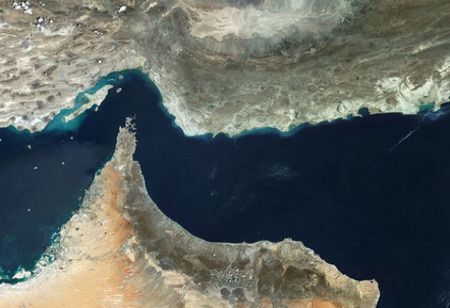
A resumption or normalisation of shipping in the Strait of Hormuz would greatly benefit India, a major crude importer, by alleviating worries about oil availability, decreasing shipping expenses, and easing inflationary pressures.
The slim strait separating Iran and Oman accounts for about 20 percent of worldwide oil use and acts as the main export channel for leading Gulf producers such as Saudi Arabia, Iraq, Kuwait, the UAE, and Qatar — all vital energy providers to India.
Also Read: India Must Expand International Trade Ties: Piyush Goyal
The flow of crude oil — the primary ingredient for creating fuels like petrol and diesel — and natural gas — the source utilized to produce electricity, manufacture fertilizers, converted into CNG for vehicle use, and transported to home kitchens for cooking — through the strait has been interrupted since the conflict with Iran began at the end of February. This caused sudden rises in crude oil prices, shipping insurance costs, and freight charges.
According to industry sources and analysts, the reopening and easing of tensions are expected to stabilize global energy markets and enhance prospects for energy-importing countries like India.
Oil prices dropped on Sunday after US President Trump announced that the US had reached a ceasefire deal with Iran, permitting the “toll free” transit of vessels through the Strait of Hormuz.
Global oil prices surged to a peak of $119 per barrel due to war-related disruptions, up from $70-72 a barrel in February. This raised the expenses of producing petrol and diesel, but the government postponed the adjustment of retail prices until mid-May. On March 27, the government reduced excise duty on petrol and diesel by Rs.10 per litre each to prevent a rise in retail prices coinciding with elections in five crucial states, including West Bengal.
Also Read: MAGGI Celebrates ‘Made So Good, Tastes So Good’ Campaign
The conflict interrupted LPG deliveries and natural gas supply from Qatar, India’s main liquefied natural gas (LNG) supplier. The allocation of natural gas was streamlined with reductions applied to specific users. LPG disruptions caused a halt in supplies to commercial users such as hotels and restaurants, with a gradual restoration of up to 70 percent of their requirements. For residential users, the time for refill bookings has been extended.
The government and refiners increased their efforts to broaden crude sourcing beyond the conventional suppliers in West Asia.
Indian refiners heightened their interactions with suppliers from various regions, including Russia, Africa, the US, and Latin America, to secure alternative shipments in case supplies from those areas were interrupted.
According to industry sources, a continuous shipping route would lower the chances of supply delays and assist refiners in keeping consistent procurement timelines. Reduced crude prices would be one of the most direct advantages. Any prolonged drop in oil prices aids in decreasing India's import expenses, bolsters the rupee, diminishes the current account deficit, and alleviates inflationary pressures. Indian refiners would gain from reduced shipping and insurance expenses. Reduced fuel costs can lessen transportation expenses, alleviate pressure on producers, and assist in stabilizing prices of items from food to building supplies, they stated.
A normalization of traffic through Hormuz would offer comfort to decision-makers. A decrease in geopolitical risk in the Gulf would provide the government with more flexibility to manage energy and economic policies, control inflation, and uphold fiscal discipline.
Also Read: SEBI and APMI Discuss Roadmap to Boost India's PMS Industry
The advantages may be especially considerable for industries like aviation, petrochemicals, fertilizers, shipping, and logistics, which are extremely responsive to energy expenses.