

India Declines Sanctioned Russian LNG Cargo
India has rejected Russia's proposal to supply liquefied natural gas that is under US sanctions, despite facing a deficit caused by Middle East tensions.
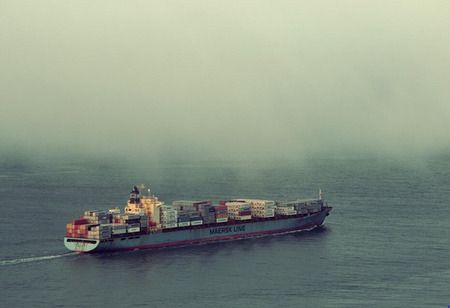
Consequently, a tanker destined for India remains stationary as discussions proceed regarding authorized shipments.
Also Read: Wingreens World Acquires Safe Harvest in Share Swap
The position underscores the delicate equilibrium that the world’s third-largest importer and consumer of oil aims to maintain, which involves ensuring energy acquisition while steering clear of liquefied natural gas (LNG) shipments subject to US sanctions. These shipments present greater challenges in terms of concealment and compliance risk.
Additionally, this scenario highlights the constraints on Russia’s capacity to redirect its LNG exports to alternative markets. India's hesitation has resulted in an LNG shipment from Russia's Portovaya facility in the Baltic Sea, which is under US sanctions, remaining undelivered, even though it was designated for India in mid-April. The movement of the vessel was monitored, notwithstanding paperwork that implied the cargo did not originate from Russia.
India, recognized as the largest purchaser of Russian seaborne crude oil, communicated its determination not to acquire LNG subjected to sanctions to Deputy Energy Minister of Russia, Pavel Sorokin, during his visit on April 30, according to a source. During this visit, Sorokin engaged with Indian officials, including the Minister of Petroleum and Natural Gas, Hardeep Singh Puri. This encounter marked their second meeting in two months, with the possibility of Sorokin returning in June to continue discussions.
Also Read: Gautam Adani Hails Energy & Digital Security for National Power
India's acquisition of Russian crude oil has proceeded without interruption, facilitated by a provisional exemption from US sanctions.
This exemption was implemented to assist nations in managing an energy crisis that has arisen due to the US-Israeli conflict with Iran, which commenced on February 28.
Arctic LNG 2 represents another Russian export facility that has come under the purview of US sanctions. In early 2025, the US intensified these sanctions on LNG installations due to Russia's ongoing conflict in Ukraine.
India expresses its willingness to purchase sanctioned Russian LNG; however, the majority of these quantities are already allocated to Europe, according to the source. Moscow is endeavoring to establish long-term agreements for the provision of liquefied natural gas (LNG) and fertilizers, including potash, phosphorus, and urea, to India. Prior to the unrest in Iran affecting maritime activities through the Strait of Hormuz, India relied on imports for half of its natural gas needs, with approximately 60 percent of these imports traversing this strategic passage.
Similarly, over fifty percent of India's crude oil supplies were also transported through this route. Prime Minister Narendra Modi of India appealed to the public to preserve fuel and foreign currency by adopting remote work arrangements, minimizing international travel, and curtailing the importation of gold and edible oils.