

Separator

India's AI Industry's Job Roles to Grow Over 2.3 Million
Separator

img

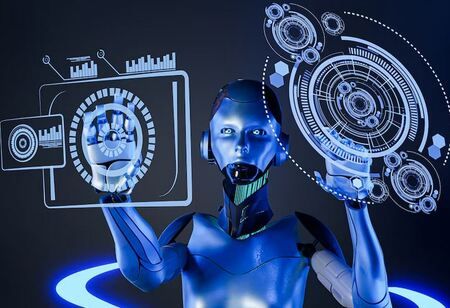
A recent study by Bain and Company found that, contrary to the widespread belief that AI will result in job losses, India's AI industry is likely to grow rapidly, with over 2.3 million new positions anticipated by 2027.

According to the analysis, there may be more than 2.3 million job openings in India's AI sector by 2027, and the country's AI talent pool is predicted to reach 1.2 million, offering a chance to retrain over 1 million individuals.

As businesses scramble to deploy AI technologies, they are confronting an increasing scarcity of qualified personnel.

While the pay for AI specialists has increased by 11 percent annually since 2019, the demand for AI-related talents has increased by 21 percent annually.

Yet, the supply of competent applicants has lagged, leading to a growing skills shortage that is impeding the advancement of AI for numerous businesses.

According to the research, the talent deficit is predicted to persist until at least 2027 and will have varying effects on international markets.


Bain estimates that up to 1.3 million AI jobs would be required in the US by 2027, but there will only be 645,000 skilled workers available.

By 2027, Germany may also have a 70 percent AI labor shortage, with significant talent shortages also occurring in the UK and Australia.

Also Read: Women Leaders Who are Driving Positive Change in the World Around them

Saikat Banerjee, Partner and leader of Bain & Company's AI, Insights, and Solutions practice in India, said, "India has a unique opportunity to position itself as a global AI talent hub. However, by 2027, the job openings in AI are expected to be 1.5-2 times of the talent availability."

He added, "The challenge--and opportunity-- lies in reskilling and upskilling a significant portion of the existing talent base on emerging technology tools and skillsets."

In Print


Most Viewed

From 'Volume' to 'Value': India Inc's Mantra to Capture the Global Pharmaceutical Market A Fight Back from Arabian Peninsula When will The Tech Industry’s Lay-off Season End? The Story of a Broken Trust Technology Key To Global Travel Recovery What To Keep In Mind When Selecting The Right Air Compressor For Replacement? The Best Way to Recover from Ransomware Attacks How Tensions Grew Worse between Elon Musk and Donald Trump New Markets, New Brands: Tailoring Success for Different Places Empowered Leadership in a Changing Legal World Four Key Steps For Healthcare Providers To Combat Ransomware Turning Vision into Value: How I Built Purposeful Digital Ecosystems in the UK Dave Thomas: A Role Model for Aspiring Entrepreneurs, Philanthropists Digital Analytics Products: How Organizations Choose Them Kelly Ortberg: The New Boeing CEO Who is Already on the Headlines India’s Military Alacrity for Modern Threats Reshma Saujani: Reshaping Social Attitudes Around Gender and Tech India is Manifesting Leadership in Drone Technology 5 Greatest Role Models in the Manufacturing Industry Creating a Stronger Ecosystem by Fixing the Nuts & Bolts of the Economy Microsoft for India: Making India for Future Ready India's UPI Launch in France Opens Gateway to Global Fintech Power Tim Cook Nears Retirement, Who Will Take Over Apple's Throne? Soil Based Microbial Fuel Cells Could Protect the Environment from Flammable Chemicals The mantra of Academic Collaboration Echoes on this Teachers’ Day Indian semiconductor Boom Has Abundant Room for SME-preneurs Indian Healthcare Ecosystem is Hosting a Multidimensional Paradigm Shift Being a True Republic: You Got to Love this New, Powerful India Qatar World Cup 2022 Might Be Over, But Arabian Peninsula’s Sports Dream is Just Beginning Reimagining the UK–India Partnership in a Changing Global Order These Schemes Will Facilitate Women Entrepreneurs Decarbonization & Sustainable Future: Technology & What it can Do?


🍪 Do you like Cookies?

We use cookies to ensure you get the best experience. Read more…