

India To Invest USD 12B For Airport and Airline Infrastructure To Meet Rising Demand
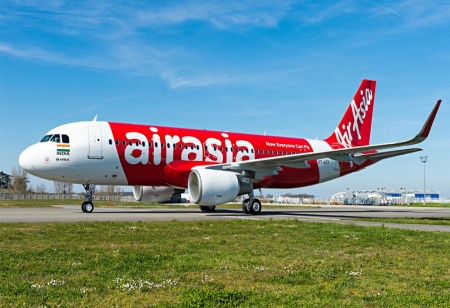 Over the next two years, India will spend approximately 980 billion rupees ($12 billion) on airports, with airline orders for hundreds of new planes to meet resurgent travel demand putting strain on existing infrastructure.
The world's fastest-growing aviation market plans to increase the number of airports from 148 to 220 by 2025, with private builders investing about $9 billion and the state-run Airports Authority of India contributing the rest. It entails new terminals, greenfield projects, and the renovation of existing facilities, including former military airfields from colonial times.
Despite the fact that the country's total fleet of 700 aircraft — United Airlines flies more — existing airports in major cities such as Delhi and Mumbai are running out of parking and landing slots.
The move comes as India asserts itself more broadly on the global stage, buoyed by a growing consumer base and economic growth in the $3.2 trillion economy that is on track to surpass China's. The country has already made its mark in aviation, with Air India Ltd. announcing the largest deal in commercial aviation history last month. For many years, Boeing and Airbus SE have sourced parts from India.
According to civil aviation minister Jyotiraditya Scindia, who kicks off the three-day CAPA India Aviation Summit on Monday, India wants to be a powerhouse in air transport. From 2022 to 2041, Boeing predicts that India's passenger traffic will grow at a nearly 7% annual rate, compared to 4.9% in China.
“The growth in aviation infrastructure will bring a huge amount of economic upside and new airports will improve the quality of life for most people partly because of bad road infrastructure and slow trains in India,” said Jayant Mukhopadhaya, researcher at the International Council of Clean Transportation.