

N Chandrasekaran’s Tenure Extended as Tata Eyes Next Growth Wave
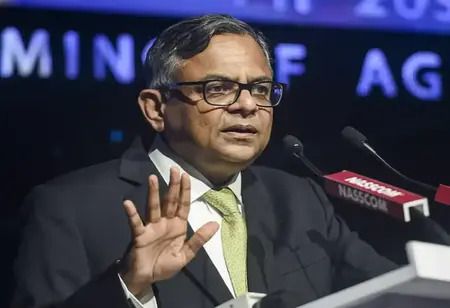 The Tata Trusts have allowed its Chairman N Chandrasekaran of Tata Sons a third executive term and this is the first time the group has waived its retirement policy.
Chandrasekaran, who turns 65 in February 2027, would normally have been required to step down under Tata Group rules that cap executive tenures at that age.
According to reports, the Trusts decided to make an exception to ensure leadership continuity as the conglomerate advances major strategic projects in semiconductors, electric vehicle batteries, and the revival of Air India.
The resolution—proposed by Noel Tata and Venu Srinivasan—was unanimously passed at a Tata Trusts meeting on September 11 and forwarded to Tata Sons, which is expected to formalize Chandrasekaran’s third term in February 2026.
The move represents a rare break from internal convention. While Tata executives can continue in non-executive roles until the age of 70, this is the first recorded waiver for an active leadership role. For instance, Noel Tata stepped down from executive responsibilities at 65 but retained non-executive positions.
Also Read: Elon Musk's xAI Hires Nvidia Experts
The extension comes amid ongoing internal debates over whether Tata Sons should go public. A July resolution supporting its private status is reportedly being reviewed, and Chandrasekaran’s continued leadership is viewed as a stabilizing influence during this period.
Also Read: Center Intervenes to Address Conflicts within Tata Trusts
Under Chandrasekaran’s tenure, Tata Group has nearly doubled its revenue and tripled its profit. The conglomerate reported revenue of Rs 15.34 lakh crore and profit of Rs 1.13 lakh crore in FY25.
Also Read: Rishi Sunak Joins Microsoft, Anthropic in Advisory Roles
However, a 30 percent decline in TCS shares has erased nearly Rs 6.9 lakh crore from the group’s market capitalization over the past year.