

NASA Astronaut Anil Menon to Fly to ISS on July 14
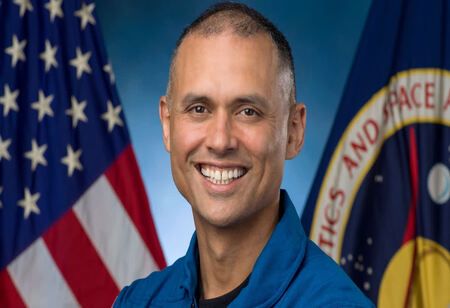
Anil Menon, an Indian-origin NASA astronaut, will begin an eight-month mission to the International Space Station on July 14, launching from the Baikonur cosmodrome in Kazakhstan on the Roscosmos Soyuz MS-29 spacecraft.
Menon, 49, is set to journey alongside cosmonauts Pyotr Dubrov and Anna Kikina.
While aboard the ISS, he is set to perform experiments regarding the impacts of extended spaceflight on the human body and develop technologies that may aid future missions to deep space.
Menon, who is of Ukrainian and Indian descent, was born in Minneapolis and serves as an emergency medicine doctor and a colonel in the US Space Force. While serving in the US Air Force, he was sent to the frontlines in Afghanistan as part of Operation Enduring Freedom.
According to reports, he also collaborated with the Himalayan Rescue Association, providing care for climbers on Mount Everest.
Menon also dedicated a year in India as a Rotary Ambassadorial Scholar to learn about and promote Polio vaccination efforts.
He started his career at NASA in 2014 as a flight surgeon and assisted astronauts residing and working on the International Space Station. In 2018, he became part of SpaceX, where he initiated the company's medical program, assisted in preparations for its inaugural human space flights, and collaborated closely on the development of Starship, the massive rocket and spacecraft designed for missions to the moon, Mars, and beyond.
Also Read: Meta picks Alberta for First Canada Data Center
Menon was chosen as a NASA astronaut in December 2021 and began the two-year training the following month.
Also Read: US Semiconductor Expansion Faces Talent Crunch in China Race
His partner, Anna Wilhelm, is likewise an astronaut and flew into space in September 2024 as a member of Polaris Dawn, a privately operated crewed space mission by SpaceX. The duration of the spaceflight was almost five days.
Also Read: Micron to Invest $3 Billion in US Semiconductor Expansion
During his time on the ISS, Menon will assist in testing methods for creating intravenous fluids with the station’s drinking water system. These abilities may prove essential during deep-space missions where medical resources are scarce.