

Separator

Over 8-Decade Wait for Indians to get Green Card in the US
Separator
Over 8-Decade Wait for Indians to get Green Card in the US

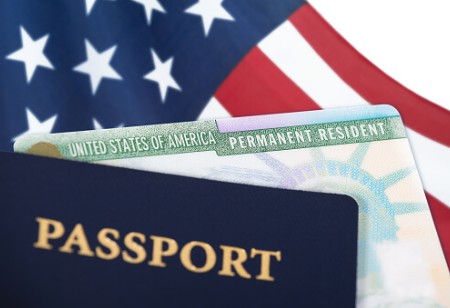
A new data released by the U.S. Citizenship and Immigration Services (USCIS) says that Indian nationals in line for an employment-based green card in the US numbers over 800,000 with a wait time of over eight decades. This wait means nearly 200,000 will die before they could even reach the front of the line and only 44 percent of the applicants will receive the green cards. This backlog is because of the insufficient numbers under the green card limits and not due to delays in processing applications.

Despite more employment-based green cards to become available in FY 2021, the new numbers will prove to be far fewer than the number required to meaningfully reduce the backlog. Majority of the backlog is concentrated in the EB-2 and EB-3 category for employer-sponsored immigrants with master’s or bachelor’s degrees, which increased to 127,609, while the category for unskilled employer-sponsored immigrants also increased to nearly 20,000 this year. The EB-4 category for special immigrants increased nearly 28,000 but EB-1 and EB-5 investor backlogs declined slights.

The report mentioned that nearly 68 percent of the employment-based backlog was from India (EB-2 and EB-3 category backlog reached to 741,209) in April 2020 from the total 1.2 million applicants – the highest ever. This gap is due to the country caps that limit nationals of any single birthplace to not more than seven percent of the green cards in a year, unless the green cards would go unused. China accounted for 14 percent, while 18 percent was from the rest of the world.

In Print


Most Viewed

From 'Volume' to 'Value': India Inc's Mantra to Capture the Global Pharmaceutical Market A Fight Back from Arabian Peninsula When will The Tech Industry’s Lay-off Season End? The Story of a Broken Trust Technology Key To Global Travel Recovery What To Keep In Mind When Selecting The Right Air Compressor For Replacement? The Best Way to Recover from Ransomware Attacks How Tensions Grew Worse between Elon Musk and Donald Trump New Markets, New Brands: Tailoring Success for Different Places Empowered Leadership in a Changing Legal World Four Key Steps For Healthcare Providers To Combat Ransomware Turning Vision into Value: How I Built Purposeful Digital Ecosystems in the UK Dave Thomas: A Role Model for Aspiring Entrepreneurs, Philanthropists Digital Analytics Products: How Organizations Choose Them Kelly Ortberg: The New Boeing CEO Who is Already on the Headlines India’s Military Alacrity for Modern Threats Reshma Saujani: Reshaping Social Attitudes Around Gender and Tech India is Manifesting Leadership in Drone Technology 5 Greatest Role Models in the Manufacturing Industry Creating a Stronger Ecosystem by Fixing the Nuts & Bolts of the Economy Microsoft for India: Making India for Future Ready India's UPI Launch in France Opens Gateway to Global Fintech Power Tim Cook Nears Retirement, Who Will Take Over Apple's Throne? Soil Based Microbial Fuel Cells Could Protect the Environment from Flammable Chemicals The mantra of Academic Collaboration Echoes on this Teachers’ Day Indian semiconductor Boom Has Abundant Room for SME-preneurs Indian Healthcare Ecosystem is Hosting a Multidimensional Paradigm Shift Being a True Republic: You Got to Love this New, Powerful India Qatar World Cup 2022 Might Be Over, But Arabian Peninsula’s Sports Dream is Just Beginning Reimagining the UK–India Partnership in a Changing Global Order These Schemes Will Facilitate Women Entrepreneurs Decarbonization & Sustainable Future: Technology & What it can Do?


🍪 Do you like Cookies?

We use cookies to ensure you get the best experience. Read more…