

PM Modi Addresses Lok Sabha on West Asia Conflict
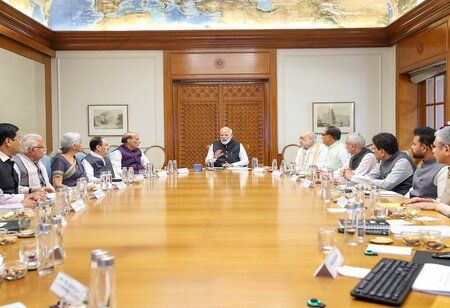
Prime Minister Narendra Modi spoke in the Lok Sabha, describing the West Asia crisis as “concerning”, stating that the conflict affects the global economy, civilian lives, and poses significant national security risks for India, highlighting that almost one crore Indians reside and work in that area.
Modi stated that the situation is dynamic and impacts the entire world in various ways. He stated that, in such circumstances, every effort should be taken to protect the citizens from the effects of this conflict.
The Prime Minister directed that all branches of government collaborate to minimize inconvenience for the citizens. He also requested effective collaboration with state governments to prevent black marketing and hoarding of essential goods.
The Prime Minister instructed the formation of a team of ministers and secretaries to collaborate thoroughly using a whole-of-government strategy. He also directed sectoral groups to collaborate with all stakeholders.
In the meeting, Cabinet Secretary Dr T V Somanathan delivered an in-depth presentation regarding the global scenario and the measures that have been implemented and are being planned by all relevant Ministries and Departments.
Also Read: 5 Notable Indian CHRO Appointments in February 2026
Modi stated that the government is carefully observing shipping paths in the Gulf and nearby areas to guarantee steady oil and gas supplies, emphasizing that any interference with the Strait of Hormuz would be “unacceptable.”
Also Read: Policy to Progress: India’s Semiconductor Ecosystem Taking Shape
The Prime Minister assured the House that the supply of petrol, diesel, and LPG nationwide is stable and is being effectively monitored.
He mentioned that although India imports almost 60 percent of its LPG needs, the government has focused on boosting domestic usage and enhancing local production to decrease dependence during the crisis.
Also Read: India to Launch the 7th Critical Mineral Auction Tranche
Modi stated that India has enhanced its energy security in the last ten years by broadening its import origins from 27 to 41 nations, which includes increasing liquefied natural gas procurement.