

SpaceX Aborts Second Starship V3 Launch After Ignition
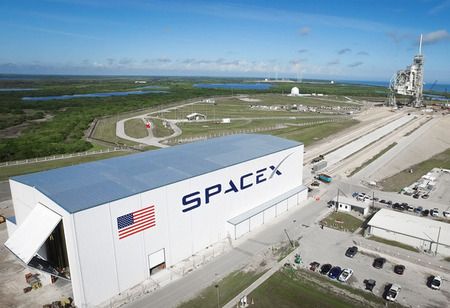
SpaceX suddenly halted the second launch attempt of its enhanced Starship rocket system, just seconds after the booster fired up at the company's facility in South Texas.
SpaceX aimed to send its initial third-generation Starlink satellites into orbit — even though they are expected to incinerate approximately 20 minutes post-deployment, since Starship has not proven capable of achieving Earth orbit.
Also Read: Google Loses EU Appeal Over Italy Gambling Ads Fine
CEO Elon Musk said on his social media platform X that “[s]ome of the engines didn’t start, triggering an automatic launch abort” and that the company will replace two of them. SpaceX won’t try to launch Starship again until next week, he wrote.
This marks SpaceX's initial test launch attempt for Starship since its public offering on June 12 during the largest IPO ever. The company secured over $85 billion in the deal and briefly reached the valuations of Amazon and Microsoft, although its stock has consistently declined over the past month.
SpaceX’s share price finished under its IPO price of $135. Its shares plummeted over four percent in after-hours trading following the failed launch.
SpaceX aimed to resume flights just weeks after the inaugural launch of Starship V3 in May. That mission was a combination of outcomes.
Also Read: CrowdStrike Names AJ Shipley as Chief Product Officer
Launching the initial version of a recently upgraded rocket was a significant advancement, and the company successfully sent several Starlink simulators into orbit. However, the Super Heavy booster stage experienced a malfunction before it could make a simulated landing in the Gulf of Mexico, resulting in a review mandated by the FAA to investigate the issues. (The FAA approved the company to launch Starship once more earlier this week after determining several reasons and solutions for the booster malfunction.)
The upper stage of Starship similarly experienced an engine loss while deploying the Starlink simulators in the May mission. The upper stage successfully executed its own simulated landing on the water flawlessly.
Also Read: Australia Launches Office of AI to Lead National AI Strategy
SpaceX aimed to progress further on Thursday by launching the V3 Starlink satellites. The enhanced Starship and Starlink are essential to SpaceX’s highly ambitious goals to demonstrate that the idea of “orbital data centers” is both feasible from a technological and economic standpoint. Starlink is the main revenue source and the sole profitable segment of SpaceX’s operations.
The launch attempt seemed to be progressing smoothly, with only a short pause in the countdown at T-minus one minute prior to the planned launch.
The hold was lifted swiftly, and the countdown continued.
As the countdown reached zero, the launchpad's water deluge system activated, and the booster stage clearly started igniting its engines — only for everything to abruptly stop. Graphics in SpaceX's broadcast indicated that four of the company's new Raptor engines failed to ignite.
SpaceX must remove all the propellant from both the Super Heavy booster and the upper stage before identifying what specifically malfunctioned on Thursday.