

Tata’s Agratas Turns to In-House Tech for Making Lithium Cells
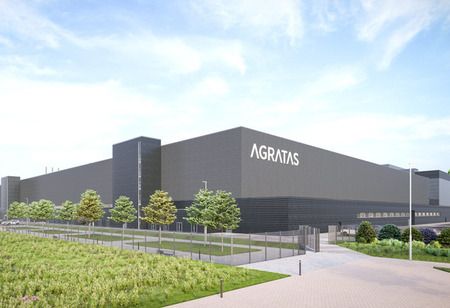
Tata Group’s battery division, Agratas Energy Storage Solutions Pvt., is preparing to produce cells with its own technology for the first time as China's stricter regulations drive the conglomerate to pursue self-sufficiency, according to reports.
Agratas Energy Storage Solutions, a privately held company, is establishing a pilot production line for lithium iron phosphate (LFP) cells at its new battery plant in Sanand, Gujarat, India.
Also Read: Remsons Industries Appoints Rahul Desai as Chief Executive Officer
Engineers from India, South Korea, and China will collaborate to enhance manufacturing methods and confirm the first batch of LFP cells at this pilot line prior to the start of commercial production.
The shift is a conscious change for Agratas after leaders determined that the likelihood of a technology agreement with a Chinese company is nearly nonexistent, due to Beijing’s strict limitations on exporting essential manufacturing expertise. Multiple Indian companies, such as Reliance Industries Ltd. and JSW Group, are encountering challenges in obtaining the technology required for local cell production as current licensing agreements break down.
The shift in strategy will increase expenses and time for the Tata unit's ramp-up of LFP cells. At the same time, its initiative to mass produce a different kind of cell — nickel manganese cobalt, or NMC — has been advanced by acquiring established technology from Japan’s Automotive Energy Supply Corp., a subsidiary of Hong Kong-based Envision Energy International Ltd. That partnership enabled Agratas to skip the initial development phases for NMC cells — a benefit it lacks while creating LFP cells from the beginning.
The firm intends to produce both types of cells at the Sanand facility. The firm that Tata once thought about divesting is crucial to the coffee-to-cars conglomerate's strategy for establishing a domestic battery manufacturing ecosystem.
LFP batteries are less expensive but generally provide shorter ranges compared to NMC ones.
They are more appropriate for stationary storage applications and will assist Agratas in entering the grid-scale battery energy storage market—a rapidly expanding sector in India as the nation pursues ambitious renewable energy targets.
Agratas is additionally allocating over $400 million towards a research and development facility in Bengaluru that concentrates on LFP and lithium manganese iron phosphate battery technologies.
Also Read: Daniel Wellington Appoints Sharvari as Its New Brand Ambassador
The facility in India is set to commence NMC battery cell production by early 2027, while Agratas’ plant in Somerset, England, is expected to begin operations by approximately the middle of next year, according to sources. These facilities will initially provide cells to Tata Motors Passenger Vehicles Ltd.’s UK-based division, Jaguar Land Rover, for its forthcoming Range Rover Electric SUV.
Earlier, Agratas entered into a seven-year, $530 million (approximately Rs.5,000 crore) battery supply contract with Jaguar Land Rover (JLR) commencing in the current fiscal year. The subsidiary of the Tata Group will first provide nickel manganese cobalt (NMC) battery cells, expected to produce around $42 million (Rs.400 crore) in revenue for the 2026-2027 timeframe, as per company statements.
Tata Motors Passenger Vehicle is requesting shareholder approval for the transaction involving a related party, based on a company resolution. The decision ensures JLR has reliable components for the long term, while generating a consistent income for the battery maker. Production levels will rise swiftly. Agratas anticipates increasing its commercial activities in the fourth quarter, ultimately broadening production from range-oriented NMC units to stability-oriented lithium iron phosphate (LFP) chemistries.
Also Read: India Plans Tax Breaks for Offshore Funds Using Local Managers
The manufacturer had previously obtained a $730 million bank loan facility backed by anticipated supply contracts with internal automotive companies. This JLR agreement directly aids the automaker's forthcoming electric vehicle launch, featuring the Range Rover Electric and a new series of Jaguar models.