

Tata's Air India now owns 100% of AirAsia India
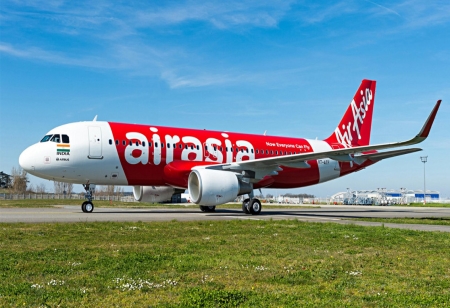 AirAsia says it has sold the remaining stake in AirAsia India to Tata to focus on ASEAN nations. Move also seen as part of Tata’s strategy to consolidate its aviation biz under one umbrella.
Malaysia-based AirAsia Aviation Group Ltd (AAGL), the holding company of Capital A's airline group, has sold the entire remaining stake in AirAsia India Pvt Ltd (AAIPL) to Tata Sons' Air India Ltd. With this, Tata's Air India now owns a 100% stake in AirAsia India. The move is being seen as part of the Tata Group’s strategy to consolidate its aviation businesses under one umbrella.
AirAsia India is the fifth largest carrier in India, with a total market share of 5.7%. It was the first foreign airline to establish a subsidiary in the country in 2014.
In its latest deal, AirAsia Aviation has disposed of a 16.33% stake in AirAsia India to Air India, though the companies have not disclosed the exact amount of the stake sale. Together, Tata's Air India Express and AirAsia India will now form a bigger low-cost airline, posing intense competition to other budget carriers operating in the country.
Talks are also on between Singapore Airlines (SIA) and the Tata Group to explore a potential merger of Vistara Airline with Air India, which is also a subsidiary of Tatas. Singapore Airlines, the flag carrier airline of Singapore, owns a 49% stake in Tata SIA Airlines, which operates Vistara, while Tata Group holds the remaining 51% shares in the carrier.
With regards to the AirAsia-AirIndia deal, AirAsia Aviation says the latest agreement comes as it re-examines its strategic objectives to focus on ASEAN, given its strong network and significant presence in the region. “To date, AirAsia has flown more than 171,000 flights since January 2022, carrying over 23 million passengers across the Group.”
AirAsia Aviation group CEO Bo Lingam says AirAsia has built a great business in India since 2014 when the airline first started operations in the country. “We have had a great experience working with India’s leading Tata Group. This is not the end of our relationship, but the beginning of a new one as we explore new and exciting opportunities to collaborate and enhance our synergies moving forward," he said.
The AAGL CEO said Covid allowed the company to re-examine its priorities and considering that it said the current decision was best suited for AirAsia to develop an “ASEAN-only business”. Notably, AAGL operates four airlines in ASEAN in Malaysia, Thailand, Indonesia and the Philippines.
Lingam says India will remain an important market for AirAsia. “We will use the experience and knowledge we have gained from operating in the Indian domestic market to grow the ASEAN-Indian market in logistics and passenger services to a far greater extent.”
The company said since the reopening of Malaysia’s international borders in April, AirAsia Malaysia has reinstated its flight connectivity to key destinations in India and more from Malaysia.
AirAsia Berhad tied up with Tatas in 2014 and formed a joint venture, with Tata group owning 51% stake and Berhad holding the rest. About two years back, the Tata group bought an additional 32.67% stake in AirAsia India amid legal issues and increased it to 83.67%.