

The United States Reduces Tariffs on Bangladeshi Exports
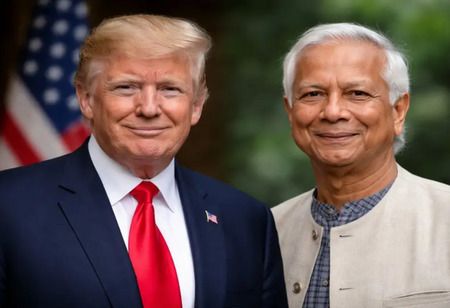
The United States has reduced tariffs on Bangladeshi exports to a flat 19 per cent as the two nations signed a trade agreement on Monday. This reduction is part of wider arrangements that will grant exemptions for certain textiles and garments made from US-sourced materials.
The move marks an adjustment from the previously proposed 37 per cent rate, providing considerable relief to Bangladesh's export-driven economy and textile sector, which accounts for more than 80 per cent of the country's total export earnings and employs around 4 million people.
Muhammad Yunus, chief advisor of Bangladesh's interim government, stated that Washington had committed to establishing a mechanism for certain textile and apparel goods from Bangladesh using US-produced cotton and man-made fibre to receive zero reciprocal tariff in the US market. He explained that the agreement was reached after nine months of negotiations initiated in April of the previous year.
The White House confirmed that Bangladesh would offer preferential market access to US industrial and agricultural products, including chemicals, medical devices, machinery and motor vehicles and parts, soy products and dairy goods, beef, poultry, tree nuts and fruit.
In addition, the trade deal included provisions for Bangladesh to lower high tariffs on various American farm and food products to zero when the agreement comes into force. Items such as poultry, pork, seafood, rice, corn and cereal grains are among those affected.
Also Read: A Brief History of India's Transformation Under PM Narendra Modi
Other tariffs will fall by 50 per cent initially, with some phased out entirely over five or ten years, depending on the product. For example, the current duty of 53.6 per cent on almonds will reach zero after a decade.
Bangladesh will also make changes to non-tariff barriers as part of the agreement, for instance, by accepting US vehicle safety and emissions standards, recognising US Food and Drug Administration certifications and removing import restrictions on remanufactured goods.
Also Read: 5 Latest CHRO Appointments in Global Corporations
Pharmaceutical ingredients and aircraft parts produced in Bangladesh will enter the US duty-free, aligning with the treatment given to other countries with similar trade deals. Most US tariffs now settled at 19 per cent, with some select exemptions, place Bangladesh slightly behind India, which recently secured an 18 per cent tariff rate that remains subject to further negotiation.
US Trade Representative Jamieson Greer highlighted Bangladesh's achievement as the first South Asian nation to finalise a reciprocal trade agreement with the United States. Greer said the agreement marks a meaningful step forward in opening markets, addressing trade barriers and creating new opportunities for American exporters.
Also Read: How This Techie Turned Visa Struggles into Startup Success
The trade pact also outlined increased commercial dealings, with Bangladesh committing to approximately $3.5 billion in US agricultural product purchases and an estimated $15 billion in energy product imports over fifteen years. Biman Bangladesh Airlines plans to acquire 14 Boeing aircraft, and the country has agreed to purchase unspecified US military equipment while limiting acquisitions from other suppliers