

Trump Faces G7 Pressure on Iran and Ukraine
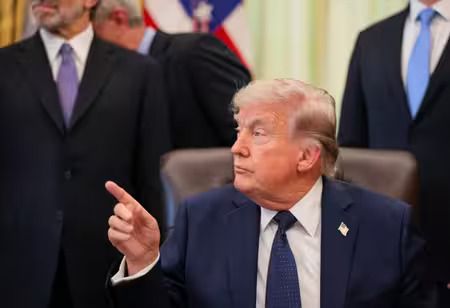
European leaders are using the G7 summit in the French lakeside town of Evian-les-Bains to challenge U.S. President Donald Trump about the risks of a hurried interim Iran agreement and to push for a reevaluation of Washington’s approach in the Ukraine crisis.
The event lasting three days (15-17 June) brings together leaders from the United States, France, Britain, Germany, Italy, Canada, Japan, and the European Union.
This comes soon after Washington and Tehran disclosed an initial ceasefire agreement to halt their direct conflict and reopen the Strait of Hormuz.
Trump arrived in Evian on Monday, motivated by the progress, and declared that the agreement was “fully signed,” adding that the entire document would be released after a formal signing event scheduled for Friday in Geneva. He stated that the strategically significant waterway would be “completely open” by then. Vice President JD Vance is expected to represent the U.S. at the ceremony.
However, details of the memorandum remain limited and ambiguous. The agreement extends a fragile April ceasefire by 60 days, during which talks are expected to focus on Iran's nuclear activities, missile capabilities, sanctions relief, and proxy operations in the region. Iranian authorities have labeled it a “notable progress” but highlighted that a lasting ceasefire has yet to take place.
French President Emmanuel Macron emphasized the necessity of a “substantial, serious agreement that is finalized,” as European diplomats worry that the current draft might bolster Tehran’s nuclear and missile programs without sufficient safeguards.
Also Read: How This Techie Turned Visa Struggles into Startup Success
France, Britain, and Germany are pushing for a greater involvement in the next stage of talks, drawing on their significant experience with the 2015 nuclear deal that Trump abandoned in his first term.
A lunch meeting on Tuesday at the summit is expected to focus on the safe reopening of the Strait of Hormuz, potentially including a naval operation headed by France and the UK, as well as alternative energy routes. Leaders from the UAE, Qatar, and Egypt are here to outline regional expectations.
Also Read: 5 Key Leadership Appointments across Global Firms in March 2026
On the subject of Ukraine, European leaders see the G7 as an opportunity to convince Trump that previous U.S. proposals have been overly lenient towards Moscow. Ukrainian President Volodymyr Zelenskyy is participating in meetings centered on “creating peace in Ukraine” and may have private conversations with Trump. Zelenskyy suggested a meeting with Russian President Vladimir Putin during the summit, but Moscow has shown little interest.
Also Read: How US–China Tariffs Are Disrupting Textile Trade
President of the European Commission Ursula von der Leyen highlighted Ukraine's resilience in battle and the economic challenges Russia is encountering from sanctions, signaling continued European commitment to supporting Kyiv while keeping pressure on Moscow.