

Trump Heads to G7 Summit in France Amid Key Global Challenges
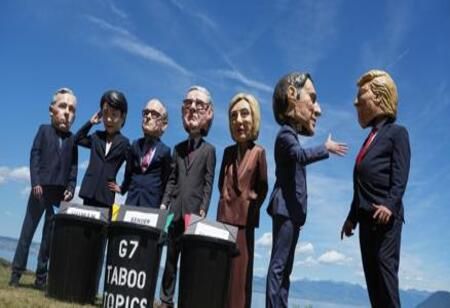
Following the festivities of his 80th birthday, US President Donald Trump is traveling to a G7 summit in France with influential democracies to address topics such as Iran, Ukraine, trade, and others that have caused tensions with the allies he will encounter.
Hours prior to departing Washington, Trump revealed a deal to conclude the war - a shift that might alter the dynamics for the G7 leaders during discussions from late Monday to Wednesday.
Only days ago, as the Iran-US ceasefire teetered on the brink, amidst renewed strikes, the assembly by Europe’s largest Alpine lake seemed destined for turbulent times.
Analysts suggested that tensions could rise and that Trump might not remain in Evian-les-Bains for long, the Alpine spa town secured for the G7 leaders and invited guests by French President Emmanuel Macron, the host.
In addition to France and the US, the remaining G7 countries include Canada, Germany, Italy, Japan, and the United Kingdom.
Shared interests and values, the personal dynamics of leaders, and the informal nature of G7 meetings - which initially convened in 1975 to explore solutions for the struggling global economy - have eased conversations in past assemblies.
Also Read: Lawmakers Seek Tougher Export Rules for Contract Chip Manufacturers
"Numerous significant initiatives from the G7 summit have arisen from leaders' spontaneous inspiration, generated spontaneously through open, unrestricted conversations about the values, memories, and even sports, such as baseball, that unite them," remarked John Kirton, a G7 expert at the University of Toronto.
Also Read: Uber Begins London Robotaxi Registrations Ahead of Imminent Launch
However, Trump's connections with European allies have been tense even prior to his initiation of the Iran conflict with Israel in February without their consultation. The Evian meeting is their initial gathering since that time.
Also Read: US Targets Expanded LNG, LPG Sales to ASEAN Nations
Allies that Trump criticized for not participating in the war are expected to welcome any Iran agreement with relief if it reopens the Strait of Hormuz and allows energy exports from the Persian Gulf to resume unimpeded.