

US Regulator Questions Tesla Over Cybercab Certification
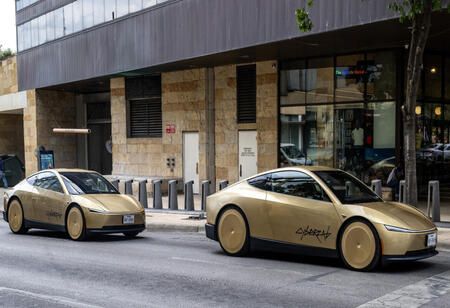
The U.S. National Highway Traffic Safety Administration (NHTSA) has directed Tesla to answer a series of questions by September 30 as part of a government investigation into whether the electric vehicle maker properly self-certified its autonomous Cybercab robotaxi.
The agency said Tesla must provide information on the basis it used to certify the Cybercab’s compliance with federal motor vehicle safety requirements. Among other issues, NHTSA is seeking clarification on whether temporarily installed human driver controls or other equipment were used as part of the company’s certification process.
The questions form part of the regulator’s ongoing examination of Tesla’s approach to certifying the Cybercab, which is designed to operate as a fully autonomous vehicle without conventional driver controls in its intended configuration.
Under the U.S. vehicle safety framework, automakers are generally responsible for certifying that their vehicles comply with applicable federal safety standards before they are sold or introduced into the market.
NHTSA can subsequently investigate whether those certifications were properly made and whether vehicles meet federal requirements.
Also Read: US House of Representatives to Take Up Russia Sanctions Bill
The regulator’s latest request could provide further insight into how Tesla assessed the Cybercab against existing safety standards, particularly given the vehicle’s autonomous design and the absence of traditional driver controls.
Tesla has been developing its robotaxi strategy as part of a broader effort to expand autonomous driving technology beyond its existing driver-assistance systems. The company has said its future autonomous vehicles will play a significant role in its plans for mobility and transportation.
Also Read: India and MERCOSUR Plan to Expand Trade Pact
NHTSA’s investigation highlights the regulatory challenges facing automakers developing vehicles intended to operate without human drivers. Existing federal safety standards were largely developed around conventional vehicles equipped with steering wheels, pedals, and other controls operated by a human driver.
Also Read: Emirates Signs 11 New Agreements on ATM 2026 Day Two
Tesla’s response, due September 30, is expected to address the agency’s questions and could help determine whether further regulatory action or additional information will be required.