

Smart Durability Lowers Sports Court Infrastructure Costs
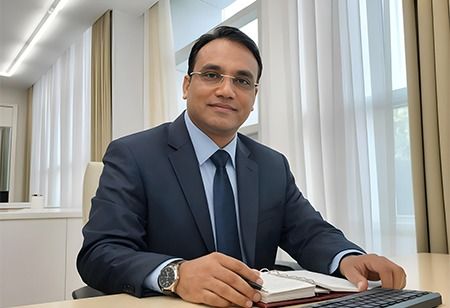
Deepak Kumar is the Head of Business at Pacecourt, a leading brand under Balaji Sports Co., specializing in synthetic acrylic sports flooring. He has previously worked with Hella Infra Market, Mobiliti World, Anju Modi, and EIH Ltd. (Oberoi Group), building a diverse foundation across industries. Known for his strong execution and relationship management skills, Deepak plays a key role in advancing Pacecourt’s mission to deliver world-class sports infrastructure solutions in India.
Sports facilities across India and similar climates face relentless pressure from heavy daily use, intense monsoons, scorching UV exposure, and wide temperature swings. When the wrong surface material is chosen, courts quickly develop cracks, fading, unevenness, and drainage problems that compromise player safety and force frequent, expensive repairs.
In contrast, surfaces built with durability in mind last significantly longer and dramatically reduce lifetime ownership costs through fewer interventions and minimal downtime. Choosing the right court surface material is not just about immediate performance but more about a strategic decision that determines long-term infrastructure expenses, safety, and usability for decades.
Also Read: Biocon Names insider Shreehas Tambe as MD & CEO
The True Cost of Common Court Surfaces
Traditional asphalt surfaces often seem attractive because of their relatively low initial installation cost, typically ranging between $3-7 per sq. ft. However, they generally last only 6 to 10 years before requiring resurfacing due to maintenance needs for heavy cracks and surface degrades under traffic and weather conditions. Concrete offers slightly better weather resistance and lasts around 10 years, but still demands regular sealing and remains vulnerable to cracking during freeze-thaw cycles or heavy use. These rigid options frequently lead to higher cumulative expenses over 2 or 3 decades because of repeated resurfacing cycles every 3-5 years.
Acrylic and polyurethane coatings applied over a stable base provide a noticeable improvement, extending usable life to 15 years or more in many conditions. These surfaces deliver better shock absorption as they help reduce joint stress on athletes. They require comparatively lower routine upkeep than asphalt. Among all options, modular interlocking tiles stand out for their exceptional longevity, often exceeding 20-30 years. Their self-draining design with interlocking gaps allows water to flow away quickly, preventing pooling, mold growth, and surface damage even during heavy monsoon seasons common in India. Individual damaged tiles can be replaced without tearing up the entire court, making repairs fast, localized, and far less disruptive.
When evaluating true long-term value, modular tiles frequently achieve up to 50 percent savings in total ownership costs compared to asphalt thanks to dramatically lower maintenance requirements and extended service life.
Also Read: EAM Jaishankar, Canadian FM Anand Discuss Deepening Ties
Comparing Lifetime Costs and Material Performance
Although modular tiles carry a higher upfront cost, usually between four and seventeen dollars per square foot depending on quality and specifications, they eliminate the need for frequent full resurfacing that asphalt demands. Asphalt installations require extensive base preparation, compaction, and labor, while modular systems often install over existing bases with lighter preparation and snap together quickly without heavy machinery. Over a 25 year period, the difference in cumulative spending becomes substantial.
Polyurethane and acrylic surfaces each bring distinct advantages depending on the environment and sport. Polyurethane binders generally offer superior elasticity and perform well against extreme weather, delivering lifespans of 10-15 years with moderate maintenance needs. Acrylic surfaces tend to provide excellent UV stability and quicker drying properties, making them suitable for outdoor use, though they may require recoating every three to four years in high-traffic or harsh conditions. In wet or humid climates, porous acrylic and synthetic polyurethane hybrids maintain reliable non-slip traction and resist water-related damage through permeable layers or sloped runoff designs. Modular tiles, with their open-grid or interlocking structure, excel in monsoon-prone regions by drying rapidly and resisting mold and algae formation. Shock-absorbing properties in quality systems can reduce peak impact forces by twenty to forty percent, lowering the risk of knee, ankle, and overuse injuries while maintaining consistent bounce and traction year after year.
Also Read: Relaxo Footwears Elevates Gaurav Dua, Ritesh Dua as Co-CEOs
Conclusion
Durability by design is a strategic investment rather than an added expense. By selecting court surface materials that prioritize longevity, shock absorption, effective drainage, and easy maintenance, facility owners and managers avoid the expensive cycle of repeated repairs and replacements. Whether for multi-sport community courts, school facilities, or professional venues, the right choice upfront delivers safer and more consistent playing conditions while generating substantial savings over decades. The most successful projects begin with careful material selection matched to local climate, usage intensity, and performance requirements. It is then followed by expert installation and simple ongoing routines such as regular sweeping, monthly inspections, and prompt crack sealing. In an era of rising infrastructure costs, investing in engineered durability ensures sports courts remain reliable, playable, and financially sustainable for generations to come.