


Rushad Ginwala: Modernising & Revitalising The Traditional Dhaba Concept
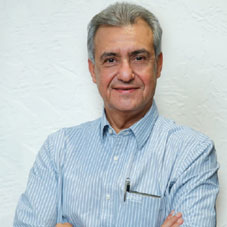
Rushad Ginwala
CEO
Over the last four decades, Rushad has worked in the hospitality sector, mostly in the restaurant circuit. His career has been marked by both professional and personal ups and downs. Rushad began working at the Taj Mahal Palace in 1976, shortly after graduating from Bombay Catering College. Rushad started his own business when he was in his early twenties, demonstrating the tenacious independence that defines who he is. To establish himself as an entrepreneur, Rushad opened Fun 'n' Food, an eatery in Ahmadabad that served a single kind of food at first but has now branched out to include many more types of dishes.
Below is an excerpt of Rushad's exclusive interaction with CEO Insights magazine.
Could you tell us about Mirch Masala as an organization? Describe its brand persona and what it represents.
In 1992, we established Mirch Masala with a signature atmosphere that has earned us widespread acclaim and appreciation from our visitors to this day. During my time in Patang, I attended a 'Dhaba' type cuisine festival that had every one talking. Thus, I learned that diners like establishments where every detail is well considered and works
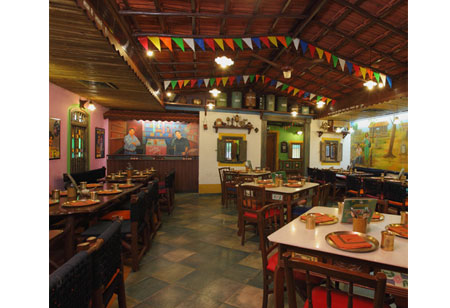
together to form a cohesive whole. Using artists who specialized in film hoardings and signboardswe painted a mural depicting movie stars living normal lives beside a highway. Starting in Baroda in 1998, Mirch Masala quickly expanded to other major cities in Gujarat. We also launched the cutting edge Mirchi Express service in the city of Baroda. In this one-of-a-kind spot we served our signature meals and a small selection of munchies while evoking the atmosphere of India's much loved train rides.
Despite numerous challenges, Mirch Masala has continued to grow after twenty years in business, we continue to attract both returning customers and newcomers who enjoy our unique combination of great cuisine cultures and well crafted surroundings that pay homage to the handcrafted traditions of India. In 2019, four more Mirch Masala franchise locations opened, one of which was in Ranchi.
Tell us what draws diners to engage for a dining experience at your restaurant. What are the measures adopted to make that experience special?
In Mirch Masala, you'll feel as if you're an outsider watching the unfolding of the action from the inside. We purchased radios, ancient copper pots, an ice cream machine from the Pols (old city), and humorous and contemporary Bollywood memorabilia. The Chaat dukaan is a hive of activity due to the live music and counter performers that filled the space. Usually, Khatta Meetha is a lively and exciting place to be. We organized special events such as bhoot bungla and Antakshari every Friday and Thirteenth. Back in its early days, Mirch Masala took a risk by becoming one of the first restaurants of its sort to serve non-vegetarian dishes. A wide variety of people, however, devoured our kebabs.
Could you tell us about your
The most recent development is the company's MOU with Karan Patel to build the first Mirch Masala restaurant in the United States in New Jersey
Despite numerous challenges, Mirch Masala has continued to grow after twenty years in business, we continue to attract both returning customers and newcomers who enjoy our unique combination of great cuisine cultures and well crafted surroundings that pay homage to the handcrafted traditions of India. In 2019, four more Mirch Masala franchise locations opened, one of which was in Ranchi.
Tell us what draws diners to engage for a dining experience at your restaurant. What are the measures adopted to make that experience special?
In Mirch Masala, you'll feel as if you're an outsider watching the unfolding of the action from the inside. We purchased radios, ancient copper pots, an ice cream machine from the Pols (old city), and humorous and contemporary Bollywood memorabilia. The Chaat dukaan is a hive of activity due to the live music and counter performers that filled the space. Usually, Khatta Meetha is a lively and exciting place to be. We organized special events such as bhoot bungla and Antakshari every Friday and Thirteenth. Back in its early days, Mirch Masala took a risk by becoming one of the first restaurants of its sort to serve non-vegetarian dishes. A wide variety of people, however, devoured our kebabs.
Could you tell us about your
culinary team? What motivates them the most to ensure customer satisfaction?
I work with a great group of chefs. These individuals have been my companions for the last twenty to twenty five years. As the adage goes, “when workers grow, the firm advances” and so have my cooks, who have been with me from the beginning. In addition to inspiring my employees, I've established a culture at my firm in which everyone is responsible for their work and is allowed to make as many promotions as they see fit, as long as they meet their performance goals and contribute to the company's bottom line. After each month, we hold a meeting to discuss the unit's progress and recognize those who have excelled in their duties.
Indeed, the driving component for the culinary team is that they are given the autonomy to operate the establishment and produce results when they produce results, they are compelled to be promoted.
What lies for the future of Mirch Masala?
The potential is enormous. Mirch Masala, a brand we've been building in Asia, is now spreading throughout the globe. The most recent development is the company's MOU with Karan Patel, who will build the first Mirch Masala restaurant in the United States in New Jersey. After this first set up, he promised to build at least 15 more Mirch Masala Restaurants around the United States as the main franchisee. The Mirch Masala module is readily exportable for international use.
Rushad Ginwala, CEO, Mirch Masala
Rushad began working at the Taj Mahal Palace in 1976, shortly after graduating from Bombay Catering College. After that, he moved to Ahmadabad, India, and opened a restaurant called Fun 'n' Food. As time went on, Rushad was invited to become the General Manager of Patang, one of India's finest dining establishments. Eventually, in 1992, Rushad established Mirch Masala with an atmosphere that has become iconic and has been embraced by communities ever since.
I work with a great group of chefs. These individuals have been my companions for the last twenty to twenty five years. As the adage goes, “when workers grow, the firm advances” and so have my cooks, who have been with me from the beginning. In addition to inspiring my employees, I've established a culture at my firm in which everyone is responsible for their work and is allowed to make as many promotions as they see fit, as long as they meet their performance goals and contribute to the company's bottom line. After each month, we hold a meeting to discuss the unit's progress and recognize those who have excelled in their duties.
Indeed, the driving component for the culinary team is that they are given the autonomy to operate the establishment and produce results when they produce results, they are compelled to be promoted.
What lies for the future of Mirch Masala?
The potential is enormous. Mirch Masala, a brand we've been building in Asia, is now spreading throughout the globe. The most recent development is the company's MOU with Karan Patel, who will build the first Mirch Masala restaurant in the United States in New Jersey. After this first set up, he promised to build at least 15 more Mirch Masala Restaurants around the United States as the main franchisee. The Mirch Masala module is readily exportable for international use.
Rushad Ginwala, CEO, Mirch Masala
Rushad began working at the Taj Mahal Palace in 1976, shortly after graduating from Bombay Catering College. After that, he moved to Ahmadabad, India, and opened a restaurant called Fun 'n' Food. As time went on, Rushad was invited to become the General Manager of Patang, one of India's finest dining establishments. Eventually, in 1992, Rushad established Mirch Masala with an atmosphere that has become iconic and has been embraced by communities ever since.