

The Exit that Shook HDFC Bank: Atanu Chakraborty's Stand
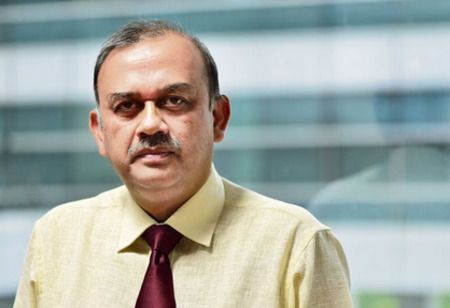 Why did Chairman Atanu Chakraborty resign from HDFC Bank? Full analysis of exit reasons, boardroom issues, compliance concerns and future impact on the bank.
HDFC Bank, widely regarded as the benchmark for banking in India, is now under scrutiny for its governance practices. The unexpected departure of chairman Atanu Chakraborty in mid-March, accompanied by a mysterious letter referencing "values and ethics," has caused concern among investors and led to market volatility.
Atanu Chakraborty, a seasoned government official molded by the regulated patterns of India's bureaucracy, established his credibility through his cautious approach, adherence to procedures, and loyalty to institutions. This is the reason why his sudden departure as chairman of HDFC Bank has had such a significant impact.
Atanu's decision to step down as part-time Chairman of HDFC Bank is more than just a personal decision - it signals larger problems within the system. His resignation comes at a critical time, considering his long tenure, extension approval by RBI till 2027, the ongoing merger of HDFC Bank with HDFC Ltd, and reports of internal conflicts and bond-related issues. This situation prompts us to ponder on issues related to timing, responsibility, and the transparency of institutions.
The Quiet Exit That Shook the Boardroom
It was a letter of resignation that did not mention a particular event. Instead of accusing language, it focused on personal beliefs and principles such as “values,” “ethics,” and “congruence.” Even though Atanu submitted the letter on March 18, 2026, and left HDFC Bank's headquarters in Mumbai after requesting a sudden board meeting without disclosing much about the agenda, the impact was immense.
Atanu’s exit aligns with a broader, if understated, trend. Over the past decade, several independent directors at Indian companies have stepped down before completing their terms. The reasons cited are typically routine—“personal commitments” or “other engagements”—but investors and market watchers have grown accustomed to reading between the lines. The pattern echoes the wave of auditor resignations seen during 2018–19.
Also Read: OLX India Appoints Varun Sanghi as Non-Executive Chairman
HDFC Bank's share price experienced a sharp drop of almost nine percent as soon as the markets opened the following morning. Over the course of three days, the stock lost about 12 percent of its value, plummeting from INR 843 to about INR 735 per share. As a result, approximately 1 lakh crore, or around $21 billion, was wiped out from the company's market capitalization, causing concern among retail investors in India who view the bank as a trusted and revered financial institution.
The Reserve Bank of India released a public declaration to calm the markets by stating that the bank has sufficient capital and is functioning effectively. A sudden meeting with analysts was held by the bank. Experienced HDFC banker Keki Mistry was appointed as the temporary chairman under urgent circumstances. CEO Sashidhar Jagdishan promised to take severe action against any wrongdoing, comparing the current situation to battling an unseen force.
A Three-Decade Journey in Public Service
Atanu, an ex-IAS officer from the 1985 batch in Gujarat, has spent more than 30 years in various challenging roles in Indian policymaking. He has worked in finance, infrastructure, petroleum, and economic policy before serving as the secretary of the department of economic affairs in the Union finance ministry until his retirement in April 2020.
Atanu played a key role in India's economic management at North Block, where he supervised fiscal policy, capital markets, and external financing amidst global market fluctuations and national reforms.
He was also India's alternate governor at the World Bank Board and a member of the central board of directors at the Reserve Bank of India, solidifying his position in the country's financial landscape.
His coworkers frequently refer to him as a "systems person," as he prioritizes the structure over the flashy aspects of reform. His talent lies in maintaining a balance within institutions, blending political needs with technical expertise, which has been a key aspect of his professional journey. His expertise was not limited to administrative tasks, but also extended to technical aspects.
After finishing his education in electronics and communication engineering at the National Institute of Technology in Kurukshetra, Atanu pursued a postgraduate diploma in Business Finance from ICFAI in Hyderabad, and later obtained an MBA from the University of Hull in the UK. The combination of his engineering knowledge and financial expertise has significantly shaped his methodical approach to crafting policies.
Atanu's corporate experience set him apart from most career bureaucrats. He held leadership positions at state-run enterprises in Gujarat, gaining firsthand experience in the day-to-day operations of major businesses. This experience proved valuable when he made the move to the private sector.
Also Read: Foreign Secretary Misri Heads to Washington to Review Ties
In 2021, HDFC Bank made the decision to appoint him as the part-time, non-executive chairman. This was a carefully considered decision. The largest private sector bank in India was on the lookout for someone who could bring together regulatory expertise and a calm sense of leadership as it entered a new era.
During his time in office, Atanu oversaw a major event in the Indian banking sector: the merging of HDFC Ltd and HDFC Bank, which was a $40 billion transaction that resulted in the formation of a large financial entity involved in various areas like mortgages and retail banking. This merger emerged as a difficult task in terms of governance, as it involved combining different cultures, systems, and risk management strategies on a massive scale.
In his role as chairman, Atanu was tasked with ensuring that the board's supervision matched the institution's growing intricacy. Despite the bank appearing strong on the surface with ample capital, liquidity, and profitability, he expressed reservations in his resignation letter.
The First Crack: Regulatory Concerns in Focus
After his resignation, he discussed two main concerns that had become widely known during interviews. The first was the regulatory scrutiny from the Dubai Financial Services Authority, which had highlighted deficiencies at HDFC Bank's DIFC branch in September 2025. This was due to concerns regarding clients who had not fully completed the necessary onboarding processes.
Inside the Dubai Compliance Controversy
To comprehend the reason behind Atanu's decision, it is important to understand the nature of the Dubai regulatory matter. The DFSA in Dubai implemented a measure in September 2025 that prevented HDFC Bank's Dubai branch from accepting new clients, signaling a significant regulatory action rather than a minor issue. Internally, the bank referred to this as a small oversight, but this interpretation troubled Atanu. During recent interviews, he expressed his concern that such practices do not align with ethical values and that downplaying the incident as a technical error does not uphold ethical standards.
Also Read: Lenexis Foodworks Appoints Arvind R P as Chief Executive Officer
He emphasized the importance of noting that there was a failure to address this misconduct for eight years, indicating that red flags had been present long before authorities intervened. He made it clear that his departure was not solely due to the situation in Dubai. It was not linked to a specific problem, indicating that his decision to leave was based on an overall pattern of behavior that clashed with his personal values.
The aftermath of this incident resulted in the resignation of about twelve high-ranking employees, such as the bank's compliance officer and chief internal auditor. While HDFC’s leadership labeled these as minor mistakes, Atanu argued that such classification does not contribute to ethical standards and that these actions do not reflect the bank's values.
The AT1 Bond Mis-selling Controversy
The second reported issue pertains to the misrepresentation of Credit Suisse's Additional Tier-1 (AT1) bonds to customers, which were ultimately devalued to nothing following the collapse of Credit Suisse in March 2023. Atanu raised concerns not just about the misrepresentation, but also about the delayed imposition of consequences on those responsible, indicating a reactive rather than proactive approach to ethics.
Diverging Views at the Top
Aside from the problems that were publicly acknowledged, there were ongoing conflicts within the organization. One major issue revolved around the extension of CEO Jagdishan's contract, which is currently awaiting regulatory approval. Several individuals stated that Atanu was against the renewal of Jagdishan's contract, while most of the board members were in favor of it.
They also disagreed on the potential sale of a minority stake in HDB Financial Services to Japan's Mitsubishi UFJ Financial Group, with Atanu expressing opposition to the deal due to concerns about foreign investment and the lack of a competitive bidding process. Ultimately, the proposal fell through.
Performance Pressures & Missed Expectations
Furthermore, Atanu highlighted sections where there was a lack of achievement. He stated that the bank's stock price did not meet expectations, resulting in shareholders not fully capitalizing on value. Additionally, he identified reduced CASA levels and an increased cost-to-income ratio as worrisome factors.
He stated that his duties as an independent board member include upholding ethical standards and being transparent and accountable to shareholders and customers. He emphasized the importance of prioritizing long-term relationships over immediate gains in the banking industry, stating that customer satisfaction is paramount.
Lastly, he mentioned that, as a director without any affiliation, he did not try to force his opinions on others. Instead, he decided to resign when the differences in ideas became too challenging to resolve. Even though he left, Atanu still believes in the bank's middle management. He praised their energy and skills, emphasizing their importance in the bank's future development.