

From ESG to Net Zero: India’s Industrial Sustainability Roadmap
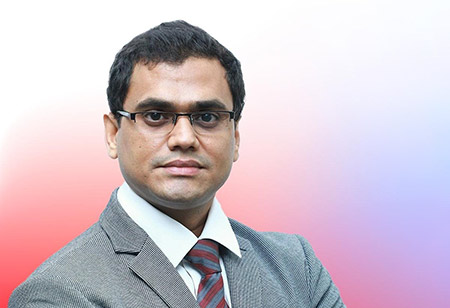
Rajesh Kumar Jha, Chairman Sustainability Expert Committee, BCIC and Country Sustainability Manager, ABB India , 0
As India moves closer to achieving net zero emissions and sustainable industrial development, the concept of sustainability has transformed from being a mere obligation to a crucial aspect of strategic leadership. In a thought-provoking discussion, Rajesh Kumar Jha, Chairman Sustainability Expert Committee, BCIC and Country Sustainability Manager, ABB India Limited, sheds light on the various ways in which Indian industries are embracing sustainability by focusing on ESG principles. He also delves into the obstacles surrounding circularity and Scope 3 emissions, the significance of digital advancements, and his positive outlook on India's potential to become a prominent global leader in sustainability.
What inspired you to venture into sustainability leadership, both personally and professionally?
My exploration of sustainability began on a personal level. We can see firsthand the effects of climate change and the depletion of resources as individuals.
Also Read: AdCounty Media Taps Industry Veteran Gaurav Dikshit
Issues like water shortages, excessive noise, and unpredictable weather in urban areas like Bengaluru are clear and present. Recognizing this sparks a feeling of obligation to make a personal contribution, especially when it comes to environmental sustainability. As the Country Sustainability Manager at ABB India and Chairman of the Sustainability Expert Committee at BCIC, I am able to turn my personal commitment to sustainability into organized initiatives. Being a leader in sustainability involves establishing specific objectives that tackle actual obstacles and devising plans for the long run to tackle them effectively.
Climate change is more than just a problem; it also presents noteworthy possibilities. Sectors like cement, steel, and other energy-intensive industries are still grappling with improving energy efficiency. This situation creates opportunities for technology-based solutions such as electrification, automation, and energy optimization, which can enhance both the bottom line and environmental footprint.
How do you define sustainability in the Indian industrial context today?
Sustainability is a complex concept that can easily become overwhelming for industries without a clear structure. This is why many organizations now prioritize sustainability through the three pillars of ESG - Environment, Social, and Governance.
When it comes to the environment, companies typically focus on reducing carbon emissions, managing water resources, handling waste, and assessing product life cycles. These efforts help businesses enhance their environmental performance and minimize their impact.
Also Read: GSK Velu Named Chairman of FICCI Tamil Nadu State Council
However, sustainability goes beyond just environmental concerns. The social aspect is equally crucial, as businesses rely on people. This involves managing employees responsibly in factories and throughout the supply chain. Fair practices, safety measures, and inclusive growth are key for long-term sustainability. Governance serves as a crucial component in balancing ESG efforts. In India, frameworks like Business Responsibility and Sustainability Reporting (BRSR) have enhanced transparency. Internally, governance includes implementing strong policies, procedures, codes of conduct, and ethical practices across the organization and its ecosystem.
Within the Indian context, adopting a structured ESG approach helps organizations clearly define, measure, and attain sustainability goals. This is particularly important as the country moves towards
its goal of achieving net-zero emissions by 2070.
What are the key sustainability challenges industries face today?
One of the main obstacles is achieving circularity. Transitioning from a linear model of ‘produce-use-dispose’ to a circular economy requires a reconsideration of how resources are utilized and recycled. In India, the infrastructure for integrating waste back into the supply chain as raw materials is still developing.
Another hurdle is gaining acceptance from customers and the market. Although companies may be prepared to incorporate recycled materials or perform life cycle assessments, these efforts often result in increased expenses. The real question is whether consumers are willing to embrace recycled products or pay higher prices for sustainable options.
A significant and intricate challenge involves Scope 3 emissions, which extend beyond a company's own activities to encompass suppliers, transportation, and the wider value chain. Many suppliers, particularly small and medium-sized enterprises (SMEs), lack the resources or knowledge to measure and decrease emissions. Instead of exerting pressure on them, businesses should provide support and guidance, illustrating the environmental and commercial advantages.
In the absence of a robust ecosystem backed by policies, innovation, and education, it will be challenging to achieve substantial reductions in Scope 3 emissions and align with India's long-term climate objectives.
How can digital tools and AI help address sustainability challenges?
Digitalization and artificial intelligence (AI) play a vital role in enhancing both operational efficiency and sustainability results. AI-powered technologies assist in reducing errors, improving accuracy, and optimizing overall process efficiency.
Also Read: HCLTech Names Sandeep Saxena as Chief Growth Officer for India
For instance, AI-driven predictive maintenance can anticipate equipment wear and tear in advance, leading to fewer breakdowns, increased productivity, and reduced energy consumption, thus helping achieve climate objectives. The use of digital tools is also revolutionizing sustainability reporting, with frameworks such as BRSR and the introduction of BRSR Core making data collection across stakeholders and value chains more intricate.
AI can aid in collecting, validating, and consolidating data by analyzing internal inputs and publicly available information, ultimately enhancing transparency and dependability. In essence, digital technologies are enabling industries to transition from reactive sustainability initiatives to proactive, data-informed decision-making.
How do you view India’s future in terms of sustainable leadership?
I have great confidence in India's efforts towards sustainability. The country is making good progress in achieving its renewable energy goals, and government policies at various levels are increasingly focused on sustainable development.
India's strategies for managing water, adopting renewable energy, and being transparent in ESG reporting demonstrate a strong commitment to balancing growth and responsibility. Although there are still challenges to address, sustainability is deeply ingrained in India's cultural heritage.
Our ancestors practiced circularity long before it became a worldwide concept. We now need to rediscover and expand those principles through modern policies, technologies, and governance frameworks.
With clear national objectives, enhanced ESG transparency, and increased industry engagement, I am confident that India is positioned to become a global leader in sustainable practices and truly uphold its vision of being a "Vishwa Guru" in sustainability.
What are the key sustainability challenges industries face today?
One of the main obstacles is achieving circularity. Transitioning from a linear model of ‘produce-use-dispose’ to a circular economy requires a reconsideration of how resources are utilized and recycled. In India, the infrastructure for integrating waste back into the supply chain as raw materials is still developing.
India's strategies for managing water, adopting renewable energy, and being transparent in ESG reporting demonstrate a strong commitment to balancing growth and responsibility.
Another hurdle is gaining acceptance from customers and the market. Although companies may be prepared to incorporate recycled materials or perform life cycle assessments, these efforts often result in increased expenses. The real question is whether consumers are willing to embrace recycled products or pay higher prices for sustainable options.
A significant and intricate challenge involves Scope 3 emissions, which extend beyond a company's own activities to encompass suppliers, transportation, and the wider value chain. Many suppliers, particularly small and medium-sized enterprises (SMEs), lack the resources or knowledge to measure and decrease emissions. Instead of exerting pressure on them, businesses should provide support and guidance, illustrating the environmental and commercial advantages.
In the absence of a robust ecosystem backed by policies, innovation, and education, it will be challenging to achieve substantial reductions in Scope 3 emissions and align with India's long-term climate objectives.
How can digital tools and AI help address sustainability challenges?
Digitalization and artificial intelligence (AI) play a vital role in enhancing both operational efficiency and sustainability results. AI-powered technologies assist in reducing errors, improving accuracy, and optimizing overall process efficiency.
Also Read: HCLTech Names Sandeep Saxena as Chief Growth Officer for India
For instance, AI-driven predictive maintenance can anticipate equipment wear and tear in advance, leading to fewer breakdowns, increased productivity, and reduced energy consumption, thus helping achieve climate objectives. The use of digital tools is also revolutionizing sustainability reporting, with frameworks such as BRSR and the introduction of BRSR Core making data collection across stakeholders and value chains more intricate.
AI can aid in collecting, validating, and consolidating data by analyzing internal inputs and publicly available information, ultimately enhancing transparency and dependability. In essence, digital technologies are enabling industries to transition from reactive sustainability initiatives to proactive, data-informed decision-making.
How do you view India’s future in terms of sustainable leadership?
I have great confidence in India's efforts towards sustainability. The country is making good progress in achieving its renewable energy goals, and government policies at various levels are increasingly focused on sustainable development.
India's strategies for managing water, adopting renewable energy, and being transparent in ESG reporting demonstrate a strong commitment to balancing growth and responsibility. Although there are still challenges to address, sustainability is deeply ingrained in India's cultural heritage.
Our ancestors practiced circularity long before it became a worldwide concept. We now need to rediscover and expand those principles through modern policies, technologies, and governance frameworks.
With clear national objectives, enhanced ESG transparency, and increased industry engagement, I am confident that India is positioned to become a global leader in sustainable practices and truly uphold its vision of being a "Vishwa Guru" in sustainability.