

The Future of Lithium in India: Mukesh’s Vision for Sustainable Growth
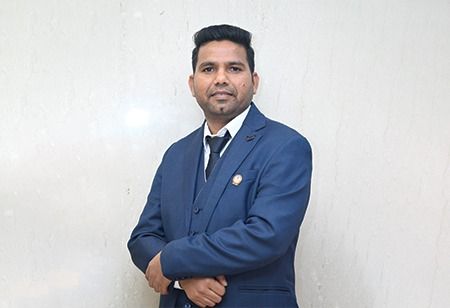 As India races toward energy independence and cleaner mobility, industry leaders are starting to reimagine lithium batteries as the base for a more intelligent , circular , and sustainable economy.
Mukesh Gupta believes the future leans toward businesses that turn energy progress into long lasting ecosystems, build on trust, circularity, and resilience.
India's clean energy revolution is no longer a distant vision—it is unfolding in real time. From electric mobility and renewable integration to advanced energy storage, lithium technology is emerging as a critical enabler of the nation's next growth chapter. However, the real opportunity does not stop at just batteries; it involves developing sustainable ecosystems.
In this exclusive conversation with CEO Insights Magazine, Mukesh Gupta explores how organizations can lead this transformation by combining technological innovation with sustainability-led business models. He shares valuable perspectives on building consumer trust, accelerating circular economy adoption, strengthening local manufacturing capabilities, and preparing businesses for a rapidly evolving energy landscape.
A Visionary leader within India’s lithium battery space, Mukesh Gupta has more than ten years of experience within the sector. His contributions have been geared towards fostering innovation and sustainable growth, as well as developing the next generation of energy storage technology in order to aid in the country’s transition into a greener future.
Read the complete article below for deeper insights.
As India accelerates toward a lithium-powered future, how should leaders strategically define value creation across mobility, storage, and sustainability ecosystems?
Value creation in the Lithium-powered future can be done through a comprehensive approach rather than isolated product innovation. Industry leaders need to design mobility solutions that have energy-storage capabilities to match the sustainability goals. This will ensure seamless interoperability between EVs, grid systems and renewable energy sources. True value lies in lifecycle efficiency that starts right from the raw material sourcing to battery disposal or repurposing. For this, companies need to increase investments in R&D, localised manufacturing and smart energy management systems. This will help in enhancing performance while reducing dependence on imports. The ultimate focus should shift from selling products to enabling long-term energy solutions. This will lead to reliable, scalable and environmentally responsible solutions.
How can marketing leadership evolve from demand generation to shaping consumer trust in emerging technologies like lithium architecture and battery lifecycle innovation?
The contemporary marketing leadership needs to walk ahead from creating awareness. It should focus on building credibility in a category that is still changing. Consumers often lack technical knowledge of technologies like lithium architecture. This makes transparency and education very important. Leaders must see marketing as a bridge between innovation and user confidence. This can be done by simplifying complex concepts. They will have to showcase performance, safety standards and lifecycle benefits in real situations. It becomes very important to incorporate storytelling that is backed by data, certifications and customer experiences. Additionally, leaders can incorporate proactive communication around sustainability practices and recycling initiatives. These also help in building long-term trust. The goal is not as simple as to generate demand. It should aim to establish the brand as a reliable authority in a rapidly transforming energy industry.
In a capital-intensive, innovation-driven sector, how do you balance long-term sustainability commitments with immediate market competitiveness and revenue pressures?
Balancing sustainability with what the market wants is really important. Leaders need to think about sustainability in a way. They should not just see sustainability as something that costs money. Sustainability is something that can help a company in the long run. It can make the brand stronger. Help the company deal with problems. Companies should invest in things that are good for the environment and make money. For example, they could make factories that use energy or make batteries that can be used many times. At the time, companies need to be flexible with prices and work with other companies to stay competitive.
Making investments in steps and measuring how well they work can help companies manage money without giving up on their goals.
In the end, companies that make sustainability a big part of what they do will do better than companies that just think of sustainability as something. Companies that focus on sustainability will do well now and in the future.
What strategic frameworks can leaders adopt to integrate circular economy principles like battery recycling into core business models without diluting growth velocity?
Integrating circular economy principles requires leaders to think of the value chain as a closed-loop system. One effective way to do this is to design products with end-of-life recovery in mind. This means making batteries easier to take, reuse or recycle. Working with recycling firms and technology providers can help build capabilities without spending a lot up front. Leaders should also look into business models like battery-as-a-service. This type of model supports reuse and managing the battery lifecycle. Tracking data across the battery lifecycle helps with forecasting and optimising resources. When done correctly, circularity does not slow down growth. Instead, it helps use resources efficiently, reduces costs over time and improves regulatory compliance and brand positioning with circular economy principles. Circular economy principles help companies make use of resources. Using circular economy principles can also make a brand stronger.
How should leaders design differentiated market positioning when product performance, safety, and warranty innovation increasingly become baseline expectations rather than advantages?
Leaders must shift the differentiation toward experimentation and the purpose of the brand. The emphasis should be on creating holistic value propositions that blend product reliability with superior customer engagement. This approach will further strengthen after-sales support and digital connectivity. While sustainability commitments, innovative elements and transparent communication increase brand positioning. What’s even more important is building a strong brand narrative around trust, consistency and long-term partnerships. Another beneficial prospect is to utilize data insights to offer custom solutions or predictive maintenance to create meaningful differentiation.
LAST WORD: Advice for emerging leaders to build future-ready, sustainability-driven businesses.
My advice is to embrace a mindset that combines innovation with responsibility to deliver maximum performance. As much as it is essential to understand the technology, it is as important to analyse the market dynamics. A great leader should embrace a culture of continuous learning and maintain a strong interdisciplinary team. The key is to establish sustainability from the initial stages and not retrofit it later. It will help with the long-term viability and gain stakeholder trust. I would further emphasise the focus on collaboration between the policymakers, technology partners, and customers that will strengthen the ecosystem in creating scalable solutions. To build future-ready businesses, work with patience and resilience to enforce consistent execution.
Conclusion:
The future of energy will not be defined by technology alone, but by how effectively businesses integrate innovation, sustainability, and circularity into every stage of value creation. Organizations that embrace this shift today will become the architects of tomorrow's energy ecosystem.
"We are entering an era where batteries are no longer products—they are platforms for economic growth, environmental responsibility, and energy resilience. The leaders who build ecosystems instead of transactions will shape the future of sustainable energy."