

The CEO Story: How Kishor Palve is Helping Indian Youth Find Career Direction
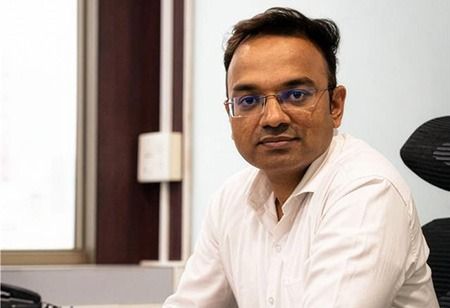 In the narrow by lanes of Wadala, Mumbai, the evenings would set in a usual hue. Young boys would sit around small stores and street corners aimlessly, observing life just passing by. For many families, living in small rooms, where poverty ruled, struggle became a necessity to survive. Dreams and aspirations did not exist amidst these lives. Hope of a bright career and future lived in a faraway place where only ‘others’ seemed to exist.
Kishor Palve, a boy next-door, remembers his days as a young boy vividly.
Kishor witnessed first-hand how limited exposure, absent mentorship, and lack of guidance quietly shaping the futures of countless adolescents around him. Years later, those very streets became the inspiration behind a mission focused on helping young people discover meaningful opportunities and purpose through Bright India, a foundation dedicated to empowering young students make informed decisions about their career.
Born from the lived experiences of limited opportunities, Bright Future works with youth between the age of 13 to 25 to guide them to make informed education and career choices.
What started as a small team of just two in 2009 has now grown into a 178-employee strong organization that reaches more than 20,000 young people annually. Bright India’s long-term vision is to impact over 50,000 youth every year.
Bright Future’s 17-year long journey of impact was not an easy one. CEOInsights brings the unheard narrative of social development expert, Kishor Palve’s journey to build and scale Bright Future. He speaks candidly, sharing moments of struggle, learning, and undying resilience.
This is Kishor’s story, from the chawls of Wadala to empowering Indian youth with the resources to build successful careers.
Growing Up Amid Limited Opportunities
How did early life experiences and the environment around you shape your thinking and aspirations growing up?
I am a native of Wadala, Mumbai and later on from Worli. I saw first hand the condition of children and adolescents from weaker economic backgrounds that never had anyone to guide them.
Growing up in an area greatly affected by its surroundings, the younger generation looked towards government jobs such as police constables as the sole source of security. While my father wished that I too join their ranks, it was clear to me that it might not be the right choice for me. In my own house, I was blessed to have the liberty to ask questions, voice my opinions and ideas without any inhibitions, and seek guidance from my parents.
Outside the home, the reality was quite different.
As I grew older, I saw a majority of youth lacking ambition simply because they did not know what opportunities existed in the world. Without formal career guidance, we began exploring possibilities for ourselves, discussing careers, observing people around us, and figuring things out independently. That process slowly but deeply cultivated the foundation of critical thinking within me.
On a Mission to Discover Direction and Entrepreneurship.jpg "The CEO Story: How Kishor Palve is Helping Indian Youth Find Career Direction")
How did your early struggles with lack of direction and entrepreneurship helped shape your understanding of mentorship and future opportunities for youth?
Post completing my secondary education, I found myself surrounded by peers who were equally perplexed about their future. It was during this phase that I realized life is much bigger than exam scores alone, and that having direction can completely transform one’s journey.
I chose commerce for higher studies, and a major turning point came when I met a professor who taught beyond textbooks. The professor encouraged practical thinking, business understanding, and creativity.
My first encounter with entrepreneurship was through the management of a vada pav stall with my parent’s help. This enterprise provided me with an understanding of the workings of business and highlighted the necessity of proper education and entrepreneurship.
Taking up Social Work and Building Bright Future
What inspired you to pursue social work, and how did those early experiences lead to the foundation of Bright Future?
After college, I got introduced to social work through some recommendations made to me. A friend and I explored social work further through visits to professionals, organizations, and workplaces.
As information was not easily available, I began my own in-depth research which took me to Pune. Exposure to this field completely changed my perception and gave me the reason to pursue Masters in Social Work.
This experience made me realize the value of mentorship, skilling, and career orientation to young adults, especially those from disadvantaged backgrounds. From this, New Resolution India was born and finally gave rise to Bright Future, which is meant to help adolescents and youth in realizing their dreams and aspirations.
Creating Opportunities for the Youth
How does Bright Future create inclusive opportunities and support systems for young people, especially women?
Unfortunately, it is important to state that patriarchal norms have continued to play their part in shaping life opportunities for young women. To counteract this trend, the programs designed by Bright Future incorporate a high degree of gender inclusion with almost 60 to 70% of the participants being young women.
Establishing an ecosystem for change, we address a range of problems associated with gender, caste, economic status, social barriers, and create individualized solutions for youth.
Through the engagement of parents and communities in this initiative, we strive to improve safety conditions and empower young women by helping to develop responsible parental practices that reduce the burden on young women, thus enabling them to live with dignity and self-respect.
Our organization is developing an AI-powered career advisory program based on geography, economic background, gender, and social reality considerations among other aspects. The focus remains on identifying challenges early and building support systems through counselors, schools, parents, hostels, and institutional partnerships so that girls and youth can pursue opportunities safely and confidently.
Building Trust through Persistence
Funding and sustainability are major challenges in the social sector. How has your organization navigated this journey while building long-term and credibility?
Like many organizations in the social sector, the journey with fundraising and financial sustainability was far from easy. In the early years, there were repeated rejections while approaching corporate and potential donors. However, the organization continued engaging consistently with corporate partners, donors, and institutions over time.
Bright Future focused strongly on compliance, documentation, and credibility. It ensured that young people did not miss opportunities because of procedural gaps.
In the course of time, this dedication has helped in forging trust-based associations with donors and partners who continue to support the organization even after a decade. Registration of systems, corporate social responsibility, and approval from FCRA were other important aspects that contributed towards organizational credibility.
Mentorship and volunteer engagement have been a vital part of our functioning since its inception. Such activities help the youth gain practical experience, mentoring, self-confidence, and networking within industries.
The fundraising journey has largely been powered over years by consistent communication, measurable social impact, and long-term engagement with supporters. As the organization has grown, it has further strengthened communication systems through print and other media choices such as newsletters, social media outreach, measurable impact tracking, and transparent reporting to stakeholders.
Impact beyond Employment
Beyond placements, how does Bright Future measure the real impact of its work on young people and communities?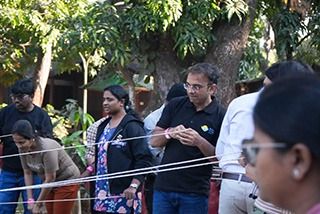
Bright Future views impact as much more than just placing graduates in jobs or ensuring their earnings meet or exceed expectations. The organization firmly believes that real impact happens when young people are empowered, guided, and imbued with a greater sense of purpose for life.
The organization operates on the principle that social workers and counselors work alongside young people via advisory committees, public awareness events, mentorships, and community projects. These are intended to generate social change over the long term. Parent meetings have also become a powerful means to engage communities and enhance support for youth.
The organization also seeks to strengthen the grassroots ecosystem through partnerships between youth and schools, employers, community centers, and other support systems. In addition to career advice, Bright Future engages with employers to promote diversity and inclusivity while creating sustainable pathways for disadvantaged communities.
Bright Future’s Vision for the Future
What do you envision for the young people you work with, and how is Bright Future working toward that goal?
It is our vision in the long run to ensure that all young people think of one thing—the correct way of thinking will change the course of their lives. In other words, it should be such that all young people reflect on themselves as one crucial question: What do I really want to achieve in life?
Focusing on mentorship, emotional wellbeing, skill building, and community involvement, we have now set out to mentor five lakh young people in the next five years. The greater objective, however, is to raise a generation of self-confident and self-aware youth who will be able to impact not just their future but that of the community as well.