

Why Organized Laundry is Emerging as a Strong MSME Opportunity
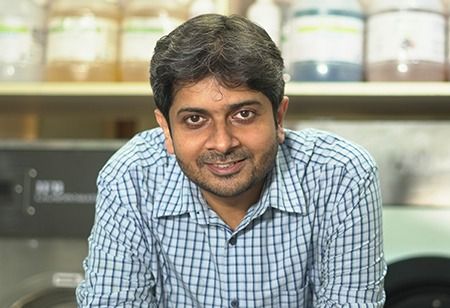
Arunabh Sinha, Founder & CEO, UClean, is widely known as “The Laundry Man of India” for pioneering the country’s organized laundromat industry. An IIT Bombay alumnus, he began his career with ZS Associates and TechnoServe before venturing into entrepreneurship with Franglobal. In 2016, he founded UClean, transforming India’s largely unorganized $70 billion laundry market through technology-driven, standardized, and franchise-led operations. Recognized in Entrepreneur Magazine’s “35 Under 35,” Arunabh continues to drive innovation in everyday services while building one of India’s fastest-growing consumer service brands.
India’s urban economy is undergoing a significant structural transformation, shaped by rising disposable incomes, rapid urbanization, and evolving consumer lifestyles. As cities expand and work-life dynamics become increasingly demanding, there is a visible shift in how households manage everyday chores. Time-intensive activities such as laundry and garment care are gradually moving away from informal, self-managed routines toward organized, professional service providers.
Within this broader shift, the laundry and garment-care sector is emerging as one of the most promising and underappreciated opportunities for MSME entrepreneurship in urban India.
Traditionally, India’s laundry ecosystem has been highly fragmented and largely unorganised. For decades, neighbourhood dhobis and small local vendors have served communities with basic washing and ironing services. While these traditional systems are deeply embedded in local culture and continue to play an important role, they have seen limited modernisation in terms of technology adoption, quality standardisation, or scalability.
Also Read: Cycle Pure Agarbathi Acquires Satvik, Enhances Omnichannel Reach
However, changing consumer expectations are now reshaping the landscape. Today’s urban consumers are no longer driven solely by affordability; they are increasingly prioritising convenience, hygiene, reliability, and consistency in service delivery. This shift is creating a strong demand for organized, technology-enabled laundry solutions that can meet these evolving expectations.
One of the primary drivers of this transformation is the changing structure of urban households. Dual-income families have become the norm across metropolitan cities, and long working hours, coupled with extended commute times, have significantly reduced the time available for daily chores. Laundry, which is both time-consuming and physically demanding, is often among the first tasks that households look to outsource.
As a result, there is a growing preference for professional service providers who can manage garment care efficiently while offering doorstep convenience. Consumers today expect seamless pickup and delivery, quick turnaround times, and consistent quality—standards that are difficult to maintain within the informal sector but are central to organised business models.
This evolving demand is unlocking substantial opportunities for organized players in the laundry sector. By introducing structured operating processes, modern machinery, trained manpower, and digital interfaces, organized laundry businesses are redefining how services are delivered.
Standardization ensures that garments are handled with care, processes are consistent across locations, and customer experience remains predictable—an essential factor in building long-term trust.
At the same time, the scale of the opportunity remains significantly underpenetrated. India’s laundry and dry-cleaning market is estimated to be worth several billion dollars, yet a large portion of it continues to operate within the informal economy. This gap between demand and organized supply presents a compelling entry point for entrepreneurs and MSMEs.
Franchise-driven models, in particular, are playing a critical role in accelerating sector growth. By offering established brand systems, operational know-how, and technology support, organised networks are lowering entry barriers for first-time entrepreneurs. This allows individuals to participate in a growing service economy without having to build capabilities entirely from scratch.
Also Read: Nasscom Foundation Names UB Pravin Rao as New Chairperson
From an investment perspective, organised laundry businesses offer a relatively balanced risk-return profile. Compared to capital-intensive sectors such as manufacturing or hospitality, laundry operations typically require moderate upfront investment. At the same time, they benefit from predictable and recurring demand. Garment care is a daily necessity, which makes the business inherently resilient and less vulnerable to seasonal fluctuations or economic cycles.
This stability makes the sector particularly attractive for MSMEs looking to build sustainable, long-term ventures.
Technology is another critical enabler driving the sector’s evolution. Digital platforms are streamlining the entire customer journey—from order placement and scheduling pickups to garment tracking and payment processing. For operators, these systems enhance efficiency, reduce errors, and improve resource utilisation.
For customers, technology brings transparency and convenience. Real-time updates, clear pricing structures, and reliable service timelines help build confidence and encourage repeat usage. In a service industry where trust plays a pivotal role, such capabilities can significantly differentiate organised players from traditional alternatives.
Beyond business viability, organised laundry networks also contribute meaningfully to local economic development. Each outlet generates direct employment across multiple roles, including washing technicians, ironing staff, delivery personnel, and store managers. As networks expand across cities and towns, they create additional opportunities within logistics, maintenance services, and supply chains.
In a country where MSMEs are recognized as a backbone of economic growth and employment generation, sectors like organised laundry have the potential to play an even more prominent role. By combining entrepreneurship with job creation, they contribute to a more inclusive and distributed model of economic development.
Also Read: Lenexis Foodworks Appoints Arvind R P as Chief Executive Officer
Sustainability is another emerging dimension shaping the future of the industry. With increasing awareness around resource conservation, modern laundry operations are adopting equipment and processes that optimize water usage, reduce energy consumption, and ensure controlled detergent application. These efficiencies not only lower operational costs but also align with broader environmental goals—an increasingly important consideration in densely populated urban areas.
Organised players are, therefore, better positioned to implement sustainable practices at scale compared to fragmented informal operators.
Looking ahead, the growth trajectory of organised laundry services in India appears strong and sustainable. As urban populations continue to rise and consumer expectations evolve further, the demand for reliable, technology-enabled service ecosystems will only intensify. The sector is still in its early stages of formalization, which means there is significant headroom for expansion across both metropolitan and emerging urban centres.
What was once perceived as a basic, traditional household service is now transforming into a modern, scalable, and professionally managed business category. For aspiring entrepreneurs, especially within the MSME segment, this presents a unique opportunity to participate in a high-demand, recurring-use sector with strong growth fundamentals.
In many ways, organized laundry reflects the broader evolution of India’s services economy—where convenience, technology, and standardization are redefining everyday experiences. For those looking to build sustainable ventures in this changing landscape, the laundry and garment-care sector stands out as one of the most practical and promising opportunities of the coming decade.