


Dr Dhirendra Kumar : 30+ Years Of Excellence, Leadership & Patient-Centric Impact
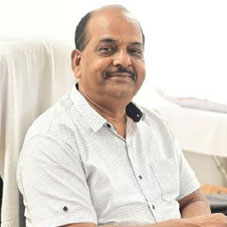
Dr Dhirendra Kumar
Chief Medical Officer (OMQ)
With a long and successful career of more than 30 years, he has conducted over 15,000 surgeries, earning the trust of patients and their families in the process of overcoming delicate surgical cases.
His commitment to patient-centred care and the way he managed to cause hospitals to fame in terms of healthcare excellence has left an indelible impression on the field. This journey is of Dr Dhirendra Kumar, Chief Medical Officer, Tata Steel.
Dr Dhirendra’s educational and professional experience tells a tale of deep expertise and inspired leadership. He was trained as a General and Laparoscopic Surgeon and started his career learning how to cut as surgeon and how to deal with the patient.
He subsequently assumed administrative leadership positions, such as the Head of Birla Hospital for four years prior to his appointment at Tata Steel, where the hospital has won the Global Healthcare Excellence Award in 2016 under his leader -ship.
He belongs to professional organizations like the Association of Surgeons of India, International Association of Gastro -intestinal Surgeons, and International College of Surgeons and got fellowship of these organizations like FICS, FIAGES, and FAIS and has demonstrated his lifelong devotion to promoting medical excellence. We present an in-depth discussion with Dr Dhirendra, in which he reflects on his professional journey and the leadership principles that have guided his success.
What motivates you daily in your role as a new-age leader?
I am motivated daily by the opportunity to serve underprivileged communities in remote areas like Saranda Forest, one of Asia’s most dense forests. In a region heavily impacted by iron ore mining, the local population often lacks access to basic healthcare.
Leading initiatives such as a 133-bed hospital, my team and I address critical challenges, from highrisk pregnancies to underprivileged patient care. Being able to make a tangible difference in people’s lives, improve community health, and contribute to philanthropy is what fuels my commitment and inspires me every day.
What is the rationale behind inte -grating technologies such as AI, digital health, and remote monitoring into clinical practice?
Integrating AI, digital health, and remote monitoring into clinical practice is essential to strengthen healthcare delivery, especially in areas with limited access to specialists.
These technologies enable realtime consul-tations with super-specialists, remote ICU monitoring, and faster, accurate decision-making without the need to shift patients to other centers.
They enhance care in trauma, chronic, and geriatric cases, support management of lifestyle-related diseases, and improve efficiency, continuity, and speed of treatment.
What are the guidelines or methodo -logies you follow in your team?
I follow a participative leadership approach focused on effective listening, delegation of authority, and team empowerment. By being a good listener, I ensure concerns are understood and addressed appropriately.
Responsibilities are delegated to senior team members, enabling them to take owner ship and make decisions, especially during emergencies.
This empowerment helps build confidence, develops future leaders, and ensures smooth functioning across hospitals while maintaining accountability and colla -borative decision-making.
What factors influence or hinder people from making the right lifestyle choices, and how do you guide them in addressing these challenges?
In Kolhan, limited education and health awareness hinder healthy lifestyle choices. We address this through health camps mobile medical units, multispecialty teams, and collaboration with NGOs and government initiatives to promote preventive healthcare and sustainable lifestyle changes.
What are the ways you keep yourself updated with the ongoing industry trends?
What is the rationale behind inte -grating technologies such as AI, digital health, and remote monitoring into clinical practice?
Integrating AI, digital health, and remote monitoring into clinical practice is essential to strengthen healthcare delivery, especially in areas with limited access to specialists.
By being a good listener, I ensure concerns are under stood and add- ressed appropriately
These technologies enable realtime consul-tations with super-specialists, remote ICU monitoring, and faster, accurate decision-making without the need to shift patients to other centers.
They enhance care in trauma, chronic, and geriatric cases, support management of lifestyle-related diseases, and improve efficiency, continuity, and speed of treatment.
What are the guidelines or methodo -logies you follow in your team?
I follow a participative leadership approach focused on effective listening, delegation of authority, and team empowerment. By being a good listener, I ensure concerns are understood and addressed appropriately.
Responsibilities are delegated to senior team members, enabling them to take owner ship and make decisions, especially during emergencies.
This empowerment helps build confidence, develops future leaders, and ensures smooth functioning across hospitals while maintaining accountability and colla -borative decision-making.
What factors influence or hinder people from making the right lifestyle choices, and how do you guide them in addressing these challenges?
In Kolhan, limited education and health awareness hinder healthy lifestyle choices. We address this through health camps mobile medical units, multispecialty teams, and collaboration with NGOs and government initiatives to promote preventive healthcare and sustainable lifestyle changes.
What are the ways you keep yourself updated with the ongoing industry trends?
To stay updated with industry trends, we conduct monthly CME programs within the hospital, participate in twice-weekly online sessions with super specialists, and attend professional meetings and conferences, ensuring our team stays informed and maintains high standards of care.
What is the future roadmap you have envisioned for yourself for the next five years?
We are focused on developing our hospital from a secondary care facility into a full-fledged tertiary care center. This includes strengthening our infrastructure, connecting with super-specialists in cardiology, neurology, and neurosurgery for both physical and tele-consultations, and expanding essential services such as dialysis locally so patients no longer need to travel long distances.
My goal is to provide comprehensive, high-quality healthcare to this remote population, enhance patient access and outcomes, and gradually establish the hospital as a leading center of excellence in the region.
What is a piece of advice that you'd like to pass to the upcoming leaders?
My advice to upcoming leaders is to uphold the Constitution of India, adhere strictly to medical ethics, and remain loyal to the organization they serve as these principles ensure a sustained focus on serving humanity with integrity and excellence.
Dr Dhirendra Kumar, Chief Medical Officer(OMQ), Tata Steel
Dr Dhirendra is a veteran medical leader with over 30 years of experience, known for driving hospitals to healthcare excellence, he combines surgical expertise with patient-centered care, leading teams to deliver exceptional outcomes and set new benchmarks in clinical leadership.
•Hobbies: I enjoy singing, watching TV and movies spending time at team gatherings, and playing a bit of cricket.
•Favourite Book: Freedom at Midnight by Dominique Lapierre and Larry Collins
•Favourite Cuisine: I enjoy non-vegetarian food, especially Chinese cuisine, and I’m a voracious eater.
•Favourite Travel Destination: South India, especially Kerala and Tamil Nadu.
Awards and Recognition:
•FICCI Healthcare Excellence Award - 2013
•Global Healthcare Excellence Award - 2016
What is the future roadmap you have envisioned for yourself for the next five years?
We are focused on developing our hospital from a secondary care facility into a full-fledged tertiary care center. This includes strengthening our infrastructure, connecting with super-specialists in cardiology, neurology, and neurosurgery for both physical and tele-consultations, and expanding essential services such as dialysis locally so patients no longer need to travel long distances.
My goal is to provide comprehensive, high-quality healthcare to this remote population, enhance patient access and outcomes, and gradually establish the hospital as a leading center of excellence in the region.
What is a piece of advice that you'd like to pass to the upcoming leaders?
My advice to upcoming leaders is to uphold the Constitution of India, adhere strictly to medical ethics, and remain loyal to the organization they serve as these principles ensure a sustained focus on serving humanity with integrity and excellence.
Dr Dhirendra Kumar, Chief Medical Officer(OMQ), Tata Steel
Dr Dhirendra is a veteran medical leader with over 30 years of experience, known for driving hospitals to healthcare excellence, he combines surgical expertise with patient-centered care, leading teams to deliver exceptional outcomes and set new benchmarks in clinical leadership.
•Hobbies: I enjoy singing, watching TV and movies spending time at team gatherings, and playing a bit of cricket.
•Favourite Book: Freedom at Midnight by Dominique Lapierre and Larry Collins
•Favourite Cuisine: I enjoy non-vegetarian food, especially Chinese cuisine, and I’m a voracious eater.
•Favourite Travel Destination: South India, especially Kerala and Tamil Nadu.
Awards and Recognition:
•FICCI Healthcare Excellence Award - 2013
•Global Healthcare Excellence Award - 2016