


Sudhir Bheda: Leading A School Where Every Child Matters
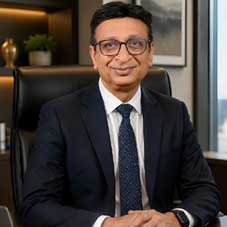
Sudhir Bheda
CEO
At the center of this transformation are education leaders who possess the vision to reimagine learning, the courage to embrace innovation, and the commitment to place students at the heart of every decision.
Effective educational leadership extends beyond administrative excellence. It involves creating an environment where curiosity is encouraged, critical thinking is nurtured, and holistic development is prioritized.
The most impactful leaders understand that education must evolve continuously to meet the demands of the future while remaining grounded in values that promote empathy, integrity, and responsible citizenship.
By balancing academic rigor with experien - tial learning, they help institutions cultivate learners who are equipped not only with knowledge but also with the skills and mindset required to navigate an ever-changing world.
Among such forward-thinking education leaders is Sudhir Bheda, CEO, Shishuvan School, whose leadership reflects a deep commitment to progressive and student-centric education. With a clear vision for nurturing well-rounded individuals, he has played a pivotal role in strengthening Shishuvan School’s reputation as an institution that prioritizes both academic excellence and holistic growth.
Under his guidance, the school has embraced innovative teaching methodologies, fostered a culture of inclusivity, and encouraged learners to become confident, compassionate, and globally aware citizens.
Sudhir Bheda’s approach to education is rooted in the belief that every child possesses unique potential that can be unlocked through the right learning environment. By championing creativity, collaboration, and lifelong learning, he continues to drive meaningful educational outcomes while preparing students to succeed in a complex and evolving future. His leadership exemplifies how visionary educators can shape institutions that not only educate but also inspire the next generation of change makers and leaders. Let’s hear from him.
As the CEO of Shishuvan School, what has been your core vision in managing an ICSE institution that balances academic rigor with creativity, critical thinking, and holistic student development?
My vision has always been rooted in the belief that academic rigor and creativity complement each other. At Shishuvan, we focus on developing thoughtful, confident, and well-rounded individuals rather than defining success solely through marks. Every child deserves an education that recognizes their unique strengths and potential.
We strive to create an environment where critical thinking, character development, creativity, and meaningful experiences are valued alongside academic excellence. Every decision we make is guided by our commitment to nurturing learners who are prepared not only for examinations but also for life.
Shishuvan School is widely recognized for its learner-centric and progressive educational approach. How
do you integrate this philosophy into the ICSE curriculum while maintaining strong academic out comes?
We intentionally embed experiential and inquiry based learning into the curriculum rather than treating it as an additional activity. Up to Std VIII, we do not rely on text books for several subjects, allowing teachers to focus on deeper conceptual understanding. Dedicated inquiry sessions encourage students to question, investigate, and connect ideas across disciplines.
Our emphasis is on meaningful learning rather than rote memorization. When students truly understand concepts and actively engage with them, strong academic outcomes naturally follow. This balance between inquiry and academic discipline has become a defining strength of our educational model.
The ICSE framework emphasizes conceptual learning, language profi - ciency, and analytical thinking. How does Shishu-van leverage these strengths to prepare students for future opportunities?
We see language and analytical thinking as essential life skills. Through inquiry-based learning, students learn to ask questions, communicate ideas, present findings, and engage in meaning- ful discussions. Our annual theatrical productions, where every student participates, help build confidence, collaboration creativity and communication skills.
We encourage students to think independently rather than simply seek correct answers. These experiences strengthen their ability to reason express themselves effectively, and solve problems- qualities that are increasingly valued by universities, employers, and society as a whole.
How has Shishuvan School integrated technology into its teaching ecosystem while preserving meaningful human interaction in learning?
We view technology as an enabler, not a replacement for human learning experiences. Through our innovation centre and maker space, students engage with coding, design, and hands-on problem solving. However, we remain equally committed to experiential learning through field visits, cooking labs, fairs collaborative projects, and theatrical productions.
These experiences foster emotional intelligence teamwork and real-world understanding. Our goal is to use technology to enhance creativity and inquiry while ensuring that human connection, exploration, and lived experiences remain at the heart of education.
What initiatives has Shishuvan School introduced to develop well-rounded, future-ready individuals beyond academics?
Holistic development is woven into the everyday life of our school. Every student participates in sports, arts, music, coding, cooking and makerspace activities. We also emphasize values, ethics, and responsible citizenship through dedicated value education programs. Our student leadership structure provides opportunities for meaningful participation and decision-making.
Sustainability initiatives, including waste collection drives and the integration of the United Nations Sustainable Development Goals into learning, help students develop a sense of global responsibility. We aim to nurture confident, creative, compassionate, and socially conscious individuals.
What has been one of the most challenging situations you have faced as CEO and how did you address it institutionally?
One of the biggest challenges has been helping parents
We intentionally embed experiential and inquiry based learning into the curriculum rather than treating it as an additional activity. Up to Std VIII, we do not rely on text books for several subjects, allowing teachers to focus on deeper conceptual understanding. Dedicated inquiry sessions encourage students to question, investigate, and connect ideas across disciplines.
Our emphasis is on meaningful learning rather than rote memorization. When students truly understand concepts and actively engage with them, strong academic outcomes naturally follow. This balance between inquiry and academic discipline has become a defining strength of our educational model.
Every decision we make is guided by our commitment to nurturing learners who are prepared not only for examinations but also for life
The ICSE framework emphasizes conceptual learning, language profi - ciency, and analytical thinking. How does Shishu-van leverage these strengths to prepare students for future opportunities?
We see language and analytical thinking as essential life skills. Through inquiry-based learning, students learn to ask questions, communicate ideas, present findings, and engage in meaning- ful discussions. Our annual theatrical productions, where every student participates, help build confidence, collaboration creativity and communication skills.
We encourage students to think independently rather than simply seek correct answers. These experiences strengthen their ability to reason express themselves effectively, and solve problems- qualities that are increasingly valued by universities, employers, and society as a whole.
How has Shishuvan School integrated technology into its teaching ecosystem while preserving meaningful human interaction in learning?
We view technology as an enabler, not a replacement for human learning experiences. Through our innovation centre and maker space, students engage with coding, design, and hands-on problem solving. However, we remain equally committed to experiential learning through field visits, cooking labs, fairs collaborative projects, and theatrical productions.
These experiences foster emotional intelligence teamwork and real-world understanding. Our goal is to use technology to enhance creativity and inquiry while ensuring that human connection, exploration, and lived experiences remain at the heart of education.
What initiatives has Shishuvan School introduced to develop well-rounded, future-ready individuals beyond academics?
Holistic development is woven into the everyday life of our school. Every student participates in sports, arts, music, coding, cooking and makerspace activities. We also emphasize values, ethics, and responsible citizenship through dedicated value education programs. Our student leadership structure provides opportunities for meaningful participation and decision-making.
Sustainability initiatives, including waste collection drives and the integration of the United Nations Sustainable Development Goals into learning, help students develop a sense of global responsibility. We aim to nurture confident, creative, compassionate, and socially conscious individuals.
What has been one of the most challenging situations you have faced as CEO and how did you address it institutionally?
One of the biggest challenges has been helping parents
understand and trust a progressive educational model. Many families come from traditional systems where textbooks and examination scores were considered the primary indicators of learning. Building confidence in our approach required ongoing communi- cation, transparency, and partnership.
We invited parents to witness student learning through performances, projects, exhibitions and real-life demonstrations of understanding. Over time seeing their children become confident, articulate, and engaged learners helped transform initial concerns into trust and collaboration.
How does Shishuvan School empower and continuously upskill educators to adapt to evolving peda - gogical methods and student learning needs?
Teachers are the foundation of meaningful education and their growth is a continuous priority. We support educators in developing skills related to inquiry-based learning, experiential teaching, inter -disciplinary thinking and student-centered facilitation. Professional development is not treated as an occasional event but as an ongoing process.
We also encourage teachers to be sensitive to students’ emotional and developmental needs. By fostering a culture of lifelong learning among educators, we ensure that they remain equipped to inspire curiosity, creativity, and growth in every learner.
What is your opinion on the current education system and the growing depen - dence on tuition classes?
I am against the dual system of education where students attend school and then rely on tuition classes. The 6–7 hours spent in school each day should be sufficient, especially for younger children.
Excessive academic pressure leaves little time for children to enjoy their childhood, play, explore, and develop creativity and critical thinking skills.
I believe our education system needs major reforms, as many subjects taught today are outdated and not relevant to the modern world.
Along with academics and technology, schools should place greater emphasis on life skills moral values ethics communication, and problem-solving abilities to better prepare students for real-life challenges.
Being recognized as Leader of the Year in Education Industry 2026 (ICSE School) is a significant milestone. What is your long term vision for Shishuvan School and its contribution to ICSE education in India?
I view this recognition as a reflection of our collective efforts and a responsi -bility to continue innovating. My long-term vision is to strengthen Shishuvan’s impact by demonstrating that progressive, child -centric education can coexist with strong academic outcomes.
As technology AI and societal expectations evolve, we will continue expanding our innovation, makerspace, and well-being initiatives. I hope Shishuvan contributes to a broader educational movement that values inquiry, depth, creativity and holistic development, helping shape future-ready learners who can thrive as responsible global citizens and leaders.
Sudhir Bheda, CEO, Shishuvan School
Sudhir Bheda, CEO, Shishuvan School, is a visionary education leader dedicated to creating learner-centric, inquiry-driven learning environments. He is a chartered Accountant and guest speaker on share market at various forums.
Under his leadership, Shishuvan School has successfully blended academic excellence with holistic development, innovation, and values based education. He is committed to nurturing future-ready learners equipped with critical thinking creativity, leadership, and global citizenship skills.
We invited parents to witness student learning through performances, projects, exhibitions and real-life demonstrations of understanding. Over time seeing their children become confident, articulate, and engaged learners helped transform initial concerns into trust and collaboration.
How does Shishuvan School empower and continuously upskill educators to adapt to evolving peda - gogical methods and student learning needs?
Teachers are the foundation of meaningful education and their growth is a continuous priority. We support educators in developing skills related to inquiry-based learning, experiential teaching, inter -disciplinary thinking and student-centered facilitation. Professional development is not treated as an occasional event but as an ongoing process.
We also encourage teachers to be sensitive to students’ emotional and developmental needs. By fostering a culture of lifelong learning among educators, we ensure that they remain equipped to inspire curiosity, creativity, and growth in every learner.
What is your opinion on the current education system and the growing depen - dence on tuition classes?
I am against the dual system of education where students attend school and then rely on tuition classes. The 6–7 hours spent in school each day should be sufficient, especially for younger children.
Excessive academic pressure leaves little time for children to enjoy their childhood, play, explore, and develop creativity and critical thinking skills.
I believe our education system needs major reforms, as many subjects taught today are outdated and not relevant to the modern world.
Along with academics and technology, schools should place greater emphasis on life skills moral values ethics communication, and problem-solving abilities to better prepare students for real-life challenges.
Being recognized as Leader of the Year in Education Industry 2026 (ICSE School) is a significant milestone. What is your long term vision for Shishuvan School and its contribution to ICSE education in India?
I view this recognition as a reflection of our collective efforts and a responsi -bility to continue innovating. My long-term vision is to strengthen Shishuvan’s impact by demonstrating that progressive, child -centric education can coexist with strong academic outcomes.
As technology AI and societal expectations evolve, we will continue expanding our innovation, makerspace, and well-being initiatives. I hope Shishuvan contributes to a broader educational movement that values inquiry, depth, creativity and holistic development, helping shape future-ready learners who can thrive as responsible global citizens and leaders.
Sudhir Bheda, CEO, Shishuvan School
Sudhir Bheda, CEO, Shishuvan School, is a visionary education leader dedicated to creating learner-centric, inquiry-driven learning environments. He is a chartered Accountant and guest speaker on share market at various forums.
Under his leadership, Shishuvan School has successfully blended academic excellence with holistic development, innovation, and values based education. He is committed to nurturing future-ready learners equipped with critical thinking creativity, leadership, and global citizenship skills.